Mormon Temple Garments in 2026: Meaning, Purpose & Modern Styles
Understanding Mormon Temple Garments in 2026
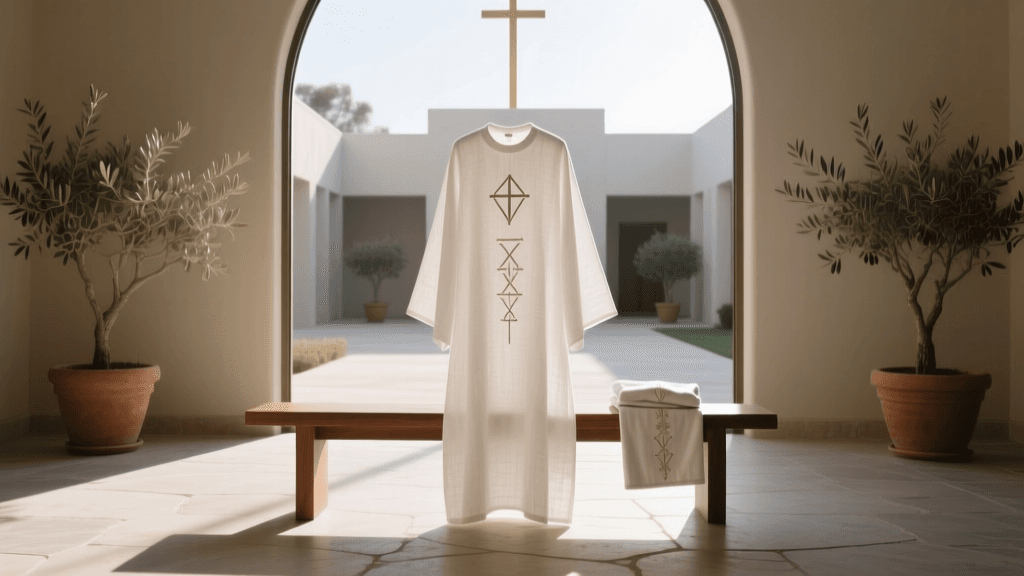
For members of The Church of Jesus Christ of Latter-day Saints, temple garments hold profound spiritual significance. Often misunderstood by those outside the faith and colloquially referred to as "Mormon underwear," these sacred items are far more than mere clothing. As we navigate 2026, the intersection of deep-rooted religious tradition and modern textile innovation has made temple garments more accessible, comfortable, and adaptable to global climates than ever before. This comprehensive guide explores the meaning, purpose, historical traditions, and modern purchasing options for LDS temple garments today.
The Spiritual Meaning and Sacred Purpose
Temple garments are introduced to adult members of the Church when they participate in the temple endowment ceremony. This sacred ordinance involves making covenants, or two-way promises, with God. The garment serves as a constant, physical reminder of those spiritual commitments. According to official Church teachings, the garment represents the need for spiritual armor and protection against the temptations and evils of the modern world.
It is crucial to dispel the myth that the garments possess magical properties or offer physical invulnerability. Instead, their power is entirely symbolic and spiritual. They remind the wearer of their promises to live a moral, ethical, and Christ-centered life. The modest design of the garment also dictates the outer clothing choices of faithful members, encouraging a standard of modesty that aligns with their religious values. In 2026, as cultural dress codes continue to shift globally, the garment remains a steadfast anchor for Latter-day Saints, providing a private, personal connection to their faith regardless of their external environment.
Historical Traditions and Modern Evolution
The tradition of wearing sacred clothing is not unique to Latter-day Saints; it echoes ancient religious practices found across various global faiths. In the early days of the Church in the 1840s, garments were designed as one-piece union suits, resembling the standard long underwear of the 19th century. They extended to the wrists and ankles and were crafted from heavy, unbleached cotton or wool. For decades, members made these garments by hand at home using approved patterns.
Over the decades, the Church transitioned to centralized manufacturing and adapted the design to accommodate changing cultural norms, workplace requirements, and advancements in textile engineering. The transition to the modern two-piece design (a t-shirt and shorts) occurred in the mid-20th century. The introduction of synthetic blends in the late 1990s paved the way for today's advanced textiles. Today, in 2026, the focus is on global inclusivity and climate adaptability. With the Church's rapid growth in tropical, arid, and highly active regions, the distribution catalog now features advanced moisture-wicking fabrics, sustainable modal blends, and specialized athletic cuts that honor the sacred marks while providing necessary physical comfort.
2026 Fabric Options and Style Guide
Members ordering through the official distribution channels in 2026 have a wide array of fabric choices tailored to their specific lifestyle and environmental needs. Below is a comparison of the primary garment styles currently available:
| Fabric Type | Best Climate/Use | Estimated Price (2026) | Key Features |
|---|---|---|---|
| Classic Cotton | Temperate / Everyday | $11.00 - $13.00 | Breathable, durable, traditional feel, easy to launder. |
| Modal Blend | Warm / Office Wear | $14.00 - $16.00 | Silky texture, highly absorbent, resists shrinking and fading. |
| Stretch Mesh | Hot / Humid / Tropical | $13.50 - $15.50 | Lightweight, maximum airflow, quick-drying, ideal for summer. |
| Athletic Performance | Active / Sports / Heat | $15.00 - $18.00 | Moisture-wicking, anti-chafing, longer inseam options available. |
| Thermal / Winter | Cold / Outdoor Work | $16.00 - $19.00 | Insulating, soft fleece lining, longer sleeves and legs. |
The inclusion of the Athletic Performance line has been particularly beneficial for members serving missions in demanding environments or participating in competitive sports, ensuring that the sacred marks remain intact while preventing the chafing associated with traditional cotton during rigorous physical activity.
Purchasing Guidelines and the 2026 Distribution App
Unlike standard clothing, temple garments cannot be purchased by the general public. To acquire them, an individual must be a baptized member of the Church and hold a current, valid temple recommend—a document issued by local congregational leaders that certifies the member's worthiness and commitment to Church teachings.
In 2026, the purchasing process is highly streamlined through the official Church Distribution Services website and mobile app. Members log in using their Church Account, which automatically verifies their temple recommend status in real-time. The app features a virtual sizing guide, utilizing AI-driven measurements to help members find the perfect fit across different global sizing standards. Orders are shipped discreetly in plain packaging directly to the member's home or to local distribution centers attached to meetinghouses worldwide.
Special Accommodations
The Church also provides specialized options for members with unique physical needs. In 2026, the catalog includes maternity panels, adaptive garments for individuals with mobility issues or medical devices, and custom alterations for those with specific physical disabilities. These accommodations ensure that the spiritual blessing of wearing the garment is accessible to all faithful members, regardless of physical limitations.
Respectful Care, Alterations, and Disposal
Caring for temple garments involves both practical laundry considerations and spiritual respect. Members are instructed to treat the garments with dignity. They should be washed in cold water and tumble-dried on low heat to preserve the elastic and the integrity of the sacred marks. They should never be left in public laundry facilities unattended or placed on the floor.
While minor alterations for fit (such as hemming the legs or taking in the sides) are permissible, members are strictly instructed never to alter or remove the sacred marks woven or embroidered into the fabric. If a garment becomes worn, torn, or stained beyond use, it must be disposed of respectfully. The standard practice in 2026 remains the same as in previous decades: members carefully cut out the sacred marks and destroy them (usually by burning or cutting them into unrecognizable pieces), while the remaining fabric can be discarded in the regular trash or repurposed as cleaning rags.
Cultural Significance in Daily Life
Wearing the garment profoundly influences the daily lives and choices of Latter-day Saints. Because the garment covers the torso and upper thighs, members naturally gravitate toward outer clothing that conceals it. This results in a personal standard of modesty—avoiding low-cut necklines, sleeveless shirts, or short shorts.
According to demographic and religious data gathered by the Pew Research Center, religion plays a central role in the daily lives of a vast majority of practicing Latter-day Saints, and the garment is a physical manifestation of that devotion. It serves as a private sanctuary of faith in public spaces. Whether a member is sitting in a corporate boardroom, working on a construction site, or attending a university lecture, the garment provides a continuous, tactile reminder of their identity and their spiritual commitments.
Conclusion
As we look at the landscape of religious apparel in 2026, Mormon temple garments stand out as a unique blend of ancient covenant-making and modern textile engineering. Far from being a relic of the past, they are a living, breathing part of the Latter-day Saint experience. By understanding the deep spiritual meaning, the respectful traditions surrounding their use, and the practical innovations available today, we gain a greater appreciation for this sacred garment and the faith of those who wear it.