Sourcing Authentic Silk for Prairie Ribbonwork Regalia 2026
The Resurgence of Traditional Prairie Ribbonwork in 2026
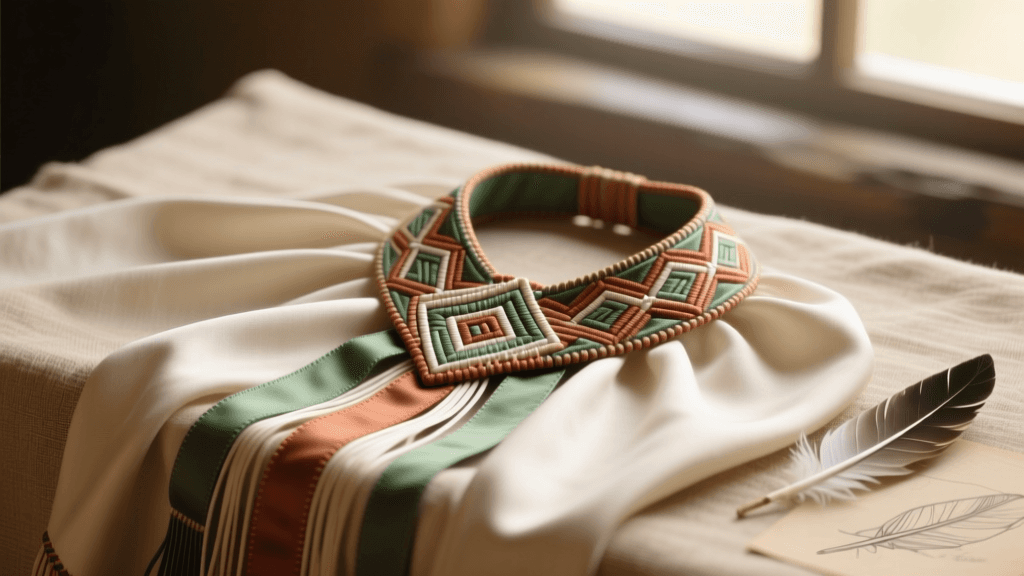
Prairie ribbonwork is a cornerstone of Native American traditional clothing, particularly among the Osage, Ponca, Kaw, and other Plains and Woodland tribes. Originally adapted from European silk ribbons traded in the 18th and 19th centuries, Indigenous artists transformed these materials into complex, geometric appliqué masterpieces that signify family lineage, clan affiliation, and spiritual protection. As we navigate the 2026 powwow season, there is a massive, community-driven resurgence in returning to historically accurate, natural fibers for dance regalia.
For decades in the late 20th and early 21st centuries, the high cost and limited availability of pure silk led many regalia makers to rely on polyester taffeta and synthetic blends. However, in 2026, a renewed emphasis on sustainability, historical preservation, and the superior movement of natural fibers has brought authentic silk taffeta and silk broadcloth back to the forefront of Indigenous textile arts. Whether you are crafting a jingle dress overlay, a traditional ribbon skirt, or an Osage wedding coat, understanding how to source, prepare, and sew authentic silk is essential for any serious regalia maker this year.
Fabric Science: Why Silk Taffeta Reigns Supreme
When creating ribbonwork appliqué, the base fabric and the ribbon strips must work in harmony. Silk taffeta is universally prized by traditional dancers for several distinct reasons that synthetic alternatives simply cannot replicate in the modern powwow arena:
- The Audible "Swoosh": During Southern Straight dances or Traditional dances, the crisp friction of silk taffeta creates a distinct, rhythmic swooshing sound that complements the drum and the dancer's bells.
- Light Reflection: Under the bright LED arena lights of 2026 powwows, silk taffeta reflects light with a deep, multi-dimensional luster, whereas polyester tends to look flat or overly glossy.
- Breathability and Drape: Silk regulates body temperature, keeping dancers cool during intense summer powwows, while maintaining the structural integrity required for sharp, geometric ribbonwork folds.
According to the Smithsonian National Museum of the American Indian, the preservation of historical Native textiles relies heavily on understanding the organic properties of silk and wool. Modern regalia makers are studying these archived 19th-century pieces to replicate the exact drape and weight that their ancestors achieved using trade silks.
2026 Fabric Comparison Chart for Regalia Makers
When shopping for materials this year, you will encounter various fabric options. Below is a detailed comparison to help you budget and select the right textile for your specific regalia project.
| Fabric Type | 2026 Avg Cost/Yard | Drape & Movement | Audible Sound | Best Used For |
|---|---|---|---|---|
| 100% Silk Taffeta | $42 - $58 | Crisp, structural | High (Crisp swoosh) | Ribbon skirts, shawls, leggings |
| Polyester Taffeta | $9 - $15 | Stiff, synthetic | Medium (Plastic rustle) | Practice garments, children's regalia |
| Silk Broadcloth | $32 - $48 | Soft, flowing | Low (Muted) | Ribbon shirts, blouses, linings |
| Wool Broadcloth | $55 - $75 | Heavy, warm | None | Winter dance blankets, Osage coats |
Where to Source Authentic Silk and Broadcloth
Sourcing high-quality, 100% silk taffeta in 2026 requires looking beyond standard craft stores, which predominantly stock synthetic blends. Here are the most reliable avenues for regalia makers this year:
1. Specialized Native Art Supply Vendors
Supporting Native-owned businesses or specialized trading posts is always the preferred route. These vendors understand the specific weight and width requirements for Indigenous appliqué. They often carry pre-cut silk ribbon strips in traditional colors (such as deep madder red, navy, and goldenrod) that are difficult to find in mainstream fabric districts.
2. Wholesale Silk Importers and Dyers
For makers who prefer to dye their own silk to match specific family or clan colors, wholesale suppliers like Dharma Trading Company remain an invaluable resource in 2026. Purchasing raw silk taffeta or silk broadcloth by the bolt and using acid dyes allows for complete control over the color palette. This is especially useful for creating the vibrant, contrasting layers characteristic of Ponca and Osage ribbonwork.
3. Direct Sourcing from International Silk Mills
With global shipping logistics stabilizing in 2026, many advanced regalia makers are forming cooperatives to order directly from heritage silk mills in Asia, bypassing domestic markups. Ordering in bulk with a group of dancers from your community can reduce the per-yard cost of pure mulberry silk taffeta by up to 30%.
Yardage and Cost Breakdown for a 2026 Ribbonwork Shawl
To provide actionable budgeting for your next project, here is a realistic cost breakdown for creating a traditional silk appliqué dance shawl (approximately 36" x 60") using premium materials in 2026.
- Base Fabric (Wool or Heavy Cotton Sateen): 2.5 yards at $40/yard = $100.00
- Silk Taffeta for Appliqué (3 contrasting colors): 1.5 yards per color (4.5 yards total) at $48/yard = $216.00
- Silk Thread and Beeswax (for hand-finishing): $35.00
- Fray Check / Natural Edge Sealer: $15.00
- Total Estimated Material Cost: $366.00
Pro-Tip: Always purchase 15% more silk taffeta than your pattern dictates. Silk frays notoriously during the cutting and folding process, and having extra yardage ensures you can cut replacement strips without interrupting your workflow.
Preparation: Pre-Washing and Bias Cutting
One of the most common mistakes novice regalia makers make is sewing raw, unwashed silk directly onto a base fabric. Silk taffeta will shrink and water-spot if exposed to rain or sweat during an outdoor powwow.
The 2026 Standard for Silk Preparation
- Hand-Wash in Cool Water: Use a pH-neutral silk wash. Never use standard alkaline laundry detergents, as they will strip the natural sericin from the silk fibers, dulling the fabric's shine.
- Air Dry and Press: Roll the silk in a clean cotton towel to press out excess water, then iron on the "silk" setting with a pressing cloth to prevent scorching.
- Cutting on the Bias vs. Straight Grain: For traditional Prairie ribbonwork, strips are almost exclusively cut on the straight grain to maintain the crisp, geometric folds. However, if you are creating curved floral Woodland appliqué, cutting the silk on the bias (a 45-degree angle to the selvage) allows the ribbon to curve smoothly without puckering.
Cultural Protocol and Respecting Family Patterns
As the demand for traditional clothing grows, it is vital to address the cultural protocols surrounding ribbonwork. The Osage Nation and other Prairie tribes maintain strict cultural boundaries regarding specific patterns, color combinations, and the wearing of certain garments during ceremonial dances like the I'n-Lon-Schka.
"Ribbonwork is not merely decorative; it is a visual language. The colors and geometric steps in a pattern often represent family history, wartime honors, or spiritual covenants. In 2026, as we share our art on global platforms, we must remain vigilant in protecting the sacredness of our family designs."
If you are new to ribbonwork, it is highly recommended to study historical patterns available through museum archives or to seek the mentorship of an Elder or established artisan in your community. Avoid copying a specific family's proprietary design from a photograph. Instead, learn the foundational techniques of the fold-and-stitch appliqué method, and develop your own geometric variations that honor the tradition without infringing on another family's visual heritage.
Conclusion: Honoring the Thread
The return to authentic silk taffeta and broadcloth in 2026 represents a beautiful full-circle moment for Native American traditional clothing. While the financial investment and preparation time required for natural fibers are significantly higher than those for synthetic alternatives, the result is a garment that moves, sounds, and endures exactly as the ancestors intended. By sourcing ethically, preparing your fabrics with care, and adhering to cultural protocols, you ensure that the vibrant legacy of Prairie ribbonwork will continue to flourish on the powwow trail for generations to come.