LDS Temple Garments 2026: Complete History & Style Guide
Introduction to the Sacred Garment
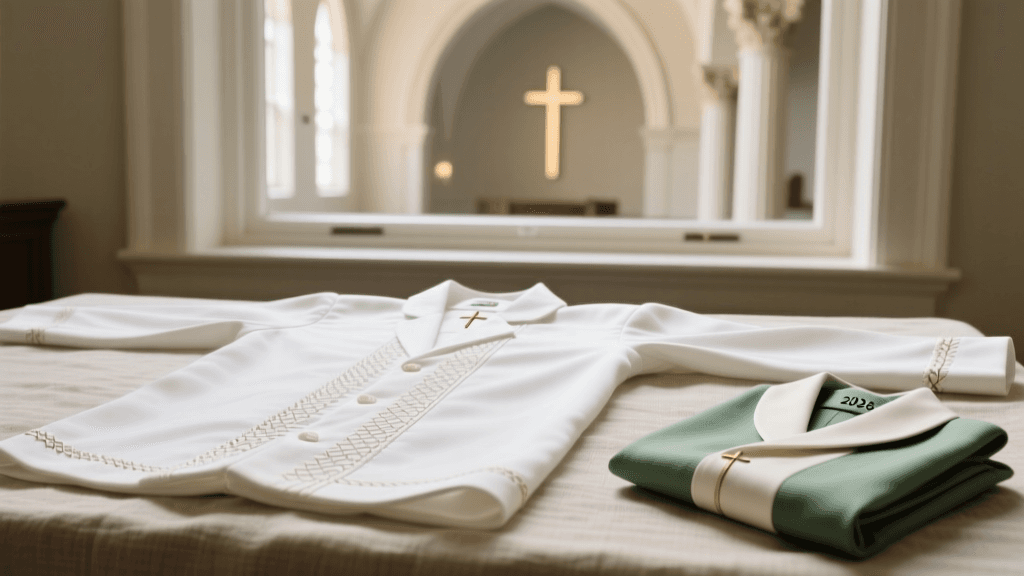
For members of The Church of Jesus Christ of Latter-day Saints, the temple garment is far more than a simple undergarment; it is a profound, sacred reminder of covenants made with God. Often referred to in media or casual conversation as "Mormon garments," these specific pieces of clothing are worn by endowed members day and night as a shield, a reminder of their spiritual commitments, and a symbol of their devotion to Jesus Christ. As we navigate the modern apparel landscape in 2026, the intersection of traditional religious dress and contemporary textile technology offers a fascinating study in how ancient covenants adapt to modern living without compromising their sacred core.
This comprehensive guide explores the rich history, the spiritual significance, and the current 2026 fabric options, styles, and purchasing guidelines for LDS temple garments. Whether you are a researcher studying American indigenous and religious textile traditions, or an endowed member looking for the most up-to-date fit and fabric information, this atlas entry provides a detailed, respectful overview.
Historical Origins and Evolution
The origins of the LDS temple garment trace back to the early 1840s in Nauvoo, Illinois. When the Prophet Joseph Smith introduced the temple endowment, he also introduced the sacred garment. According to the Encyclopedia of Mormonism, the original garments were one-piece, full-length undergarments, similar to the "union suits" commonly worn by men and women in the 19th century. They featured long sleeves and long legs, extending to the wrists and ankles, and included specific symbolic markings woven or stitched into the fabric.
As the 19th century transitioned into the 20th century, global fashion and undergarment styles shifted dramatically. The Church leadership, recognizing the practical needs of its members while maintaining the sacred nature of the covenants, authorized modifications to the garment's physical design. In the 1920s and 1930s, under the direction of President Heber J. Grant, the Church permitted the transition from the one-piece union suit to a two-piece design consisting of a separate top and bottom. Sleeves were shortened to the elbow, and legs were shortened to the knee.
Further adaptations occurred in the latter half of the 20th century, allowing for shorter sleeves (cap and t-shirt styles) and shorter bottoms (brief and boxer styles) to accommodate modern clothing styles, such as short-sleeved shirts and athletic wear. By 2026, the design philosophy remains anchored in modesty and the preservation of sacred markings, while utilizing advanced global textile manufacturing to ensure comfort in diverse climates worldwide.
Spiritual Significance and Modesty Standards
The garment serves as a visual and tactile reminder of the covenants made in the temple. The markings on the garment are deeply symbolic, relating to the Atonement of Jesus Christ, the journey of life, and the wearer's commitment to live a righteous life. Because of this sacred nature, members are instructed to treat the garment with the utmost respect.
Modesty is a core principle associated with wearing the garment. In 2026, the Church continues to teach that the garment should dictate the outer clothing choices of the wearer, rather than the other way around. This means members are encouraged to select outer clothing that covers the garment, ensuring that the neckline, sleeves, and hemlines align with modesty standards. The garment is intended to be worn next to the skin, serving as a personal, private sanctuary of faith that is not meant for public display or casual discussion.
2026 Fabric Options and Style Guide
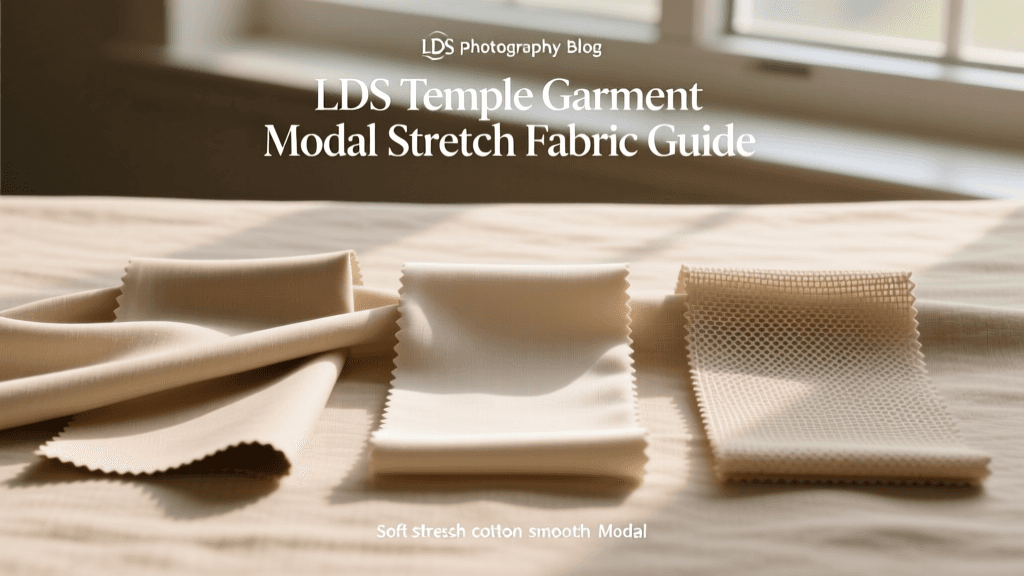
As of 2026, the Church's distribution network offers a highly diversified lineup of garment styles and fabrics to accommodate the global membership. Whether a member lives in the humid tropics, the freezing northern latitudes, or requires moisture-wicking fabrics for an active lifestyle, there is a specialized option available. Below is a comparison of the primary fabrics available in the current 2026 catalog.
| Fabric Type | Best For | Breathability | Durability & Care |
|---|---|---|---|
| 100% Cotton | Everyday wear, sensitive skin, traditional preference | High | Moderate; may shrink if machine dried on high heat |
| Modal Blend | Travel, professional settings, luxurious softness | Very High | High; resists shrinking and fading, maintains shape well |
| Stretch Cotton | Active lifestyles, athletic wear, form-fitting outer clothes | Moderate | High; excellent recovery, retains elasticity over time |
| Nylon Mesh | Hot/humid climates, intense physical labor, summer months | Maximum | High; quick-drying, lightweight, requires gentle washing |
| Performance Synthetic | Outdoor sports, hiking, extreme temperature fluctuations | High (Moisture-wicking) | Very High; odor-resistant, rapid dry time |
Women’s Styles in 2026
The women’s lineup in 2026 includes the classic crew neck, the V-neck, and the popular cap-sleeve and stretch cotton styles. The stretch cotton line has seen significant updates this year, offering improved lace trims that lay flat against the skin, preventing visible lines under modern, tailored professional wear. The women's bottoms range from traditional briefs to boy-shorts and longer capri-length options, which are particularly favored for wear under skirts and dresses to maintain both modesty and comfort.
Men’s Styles in 2026
For men, the 2026 catalog features the traditional crew neck and V-neck t-shirts in both cotton and modal. The bottoms include the classic boxer brief, the traditional brief, and the newer athletic-length performance shorts. The modal boxer briefs remain a top seller for business travelers due to their resistance to wrinkling and their ability to remain fresh during long-haul flights and extended wear.
Sizing, Fit, and Measurement Guidelines
Proper fit is essential for both comfort and the respectful wearing of the garment. A garment that is too tight can cause the fabric to wear out prematurely and create discomfort, while a garment that is too loose may bunch up and fail to serve its intended purpose as a modesty layer.
When ordering through the official Church Distribution Store, members are encouraged to use the updated 2026 digital sizing tool. This tool requires three primary measurements:
- Chest/Bust: Measured around the fullest part of the chest or bust, keeping the tape measure level.
- Waist: Measured at the natural waistline, typically just above the belly button.
- Hips: Measured around the fullest part of the hips and buttocks (crucial for women's bottom sizing).
If a member finds themselves between sizes, Church guidelines generally recommend sizing up to ensure the garment is not overly restrictive, which preserves the integrity of the fabric and the sacred markings.
How to Purchase Garments in 2026
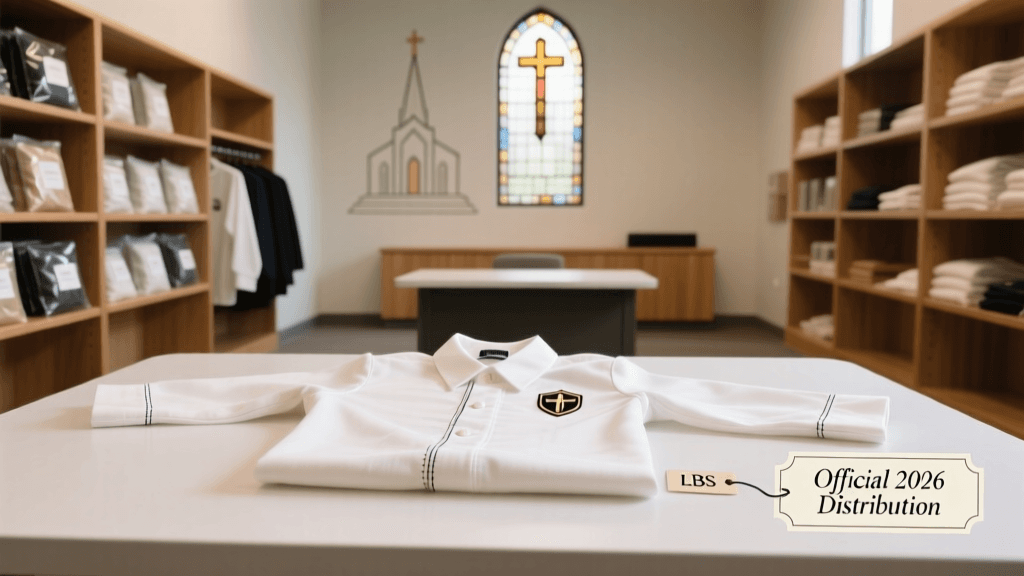
Purchasing temple garments is a restricted process, reserved exclusively for members who have received their temple endowment and hold a current, valid temple recommend. This policy ensures that the sacred nature of the garment is respected and that it is not treated as a mere commodity or novelty item.
In 2026, members have three primary avenues for purchasing garments:
- Online Portal: The most common method is through the Church's secure online distribution store. Members must log in with their Church Account, which is automatically linked to their membership record to verify their endowed status and temple recommend validity.
- Deseret Book Stores: Select physical Deseret Book locations feature dedicated, private fitting rooms and garment distribution centers where members can try on different sizes and fabrics before purchasing.
- Temple Distribution Centers: Most temples around the world have an attached or nearby distribution center where members can purchase garments immediately before or after attending the temple.
Prices in 2026 remain heavily subsidized by the Church to ensure accessibility for members worldwide, with individual tops and bottoms generally ranging between $8.00 and $14.00 USD, depending on the fabric technology selected.
Care Instructions and Respectful Disposal
Because of their sacred nature, garments should be cared for with respect. They should not be left on the floor, thrown in with heavily soiled work clothes, or treated casually. When laundering, members are advised to wash garments with regular laundry detergent, avoiding harsh bleaches that might degrade the specialized fabrics or the symbolic markings.
According to guidelines frequently referenced in Church Newsroom updates and member handbooks, when a garment becomes worn out, torn, or no longer usable, it must be disposed of respectfully. The sacred markings must be carefully cut out and destroyed (typically by cutting them into small pieces or burning them). The remaining, unmarked fabric can then be disposed of in the regular trash or repurposed as cleaning rags, as it no longer holds sacred significance once the markings are removed.
Conclusion
The LDS temple garment represents a unique intersection of American religious history, personal spirituality, and modern textile innovation. From the full-length union suits of the 1840s to the advanced, moisture-wicking performance fabrics of 2026, the physical garment has evolved to meet the practical needs of a global membership. Yet, its core purpose remains entirely unchanged: to serve as a quiet, constant, and sacred reminder of the covenants made in the house of the Lord. For researchers of indigenous and religious American dress, and for the millions of endowed members who wear them daily, the garment stands as a profound testament to faith in the modern era.