LDS Garment Materials & Styles Guide 2026: Modern Updates
Introduction to Modern LDS Garments in 2026
For endowed members of The Church of Jesus Christ of Latter-day Saints, the temple garment is a sacred reminder of covenants made with God. While the spiritual significance and the symbolic marks remain entirely unchanged, the physical delivery mechanism—the fabric, cut, and style of the garments—has seen remarkable innovations leading into 2026. As textile technology advances and the global membership of the Church grows across diverse climates, the need for comfortable, breathable, and adaptable garments has never been higher.
In this comprehensive 2026 guide, we explore the latest LDS garment styles, material compositions, and modern updates introduced by Church Distribution Services and authorized retailers. Whether you are preparing for your first trip to the temple or looking to update your current wardrobe with the newest performance fabrics, this guide provides actionable advice, sizing tips, and care instructions to help you find the perfect fit.
The Evolution of Temple Garment Materials
Historically, temple garments were constructed from 100% woven cotton. While durable, traditional woven cotton lacked elasticity, often resulting in a restrictive fit and a tendency to shrink or lose shape after repeated washing. Over the last decade, and accelerating into 2026, the Church has partnered with textile manufacturers to introduce advanced knit blends. These modern fabrics maintain the required modesty and opacity while offering unprecedented stretch, moisture-wicking capabilities, and thermal regulation.
According to the official Gospel Topics essay on Temple Garments, the design and fabric of the garment may change over time to accommodate different climates and cultural needs, provided the sacred marks and modesty standards are preserved. This principle has driven the 2026 lineup, which now heavily features semi-synthetic cellulosic fibers like Modal, alongside advanced nylon meshes.
Comprehensive Guide to Current Garment Fabrics
Choosing the right material is the most critical decision when purchasing garments today. Below is a comparison chart of the primary fabrics available through the official Church Distribution store and authorized retailers like Deseret Book in 2026.
| Fabric Type | Material Blend | Ideal Climate | Durability | 2026 Est. Price (Top/Bottom) |
|---|---|---|---|---|
| Stretch Cotton | 95% Cotton, 5% Spandex | Moderate / Year-Round | High | $14.00 / $12.00 |
| Modal | 92% Modal, 8% Spandex | Warm / Indoor / Office | Medium-High | $18.00 / $16.00 |
| Performance Mesh | 90% Nylon, 10% Spandex | Hot / Humid / Athletic | High | $20.00 / $18.00 |
| Cotton Mesh | 100% Cotton Knit | Hot / Dry | Medium | $13.00 / $11.00 |
Fabric Deep-Dive
- Stretch Cotton: The modern standard. It feels like traditional cotton but moves with your body. It is highly recommended for everyday wear and cooler climates where thermal retention is beneficial.
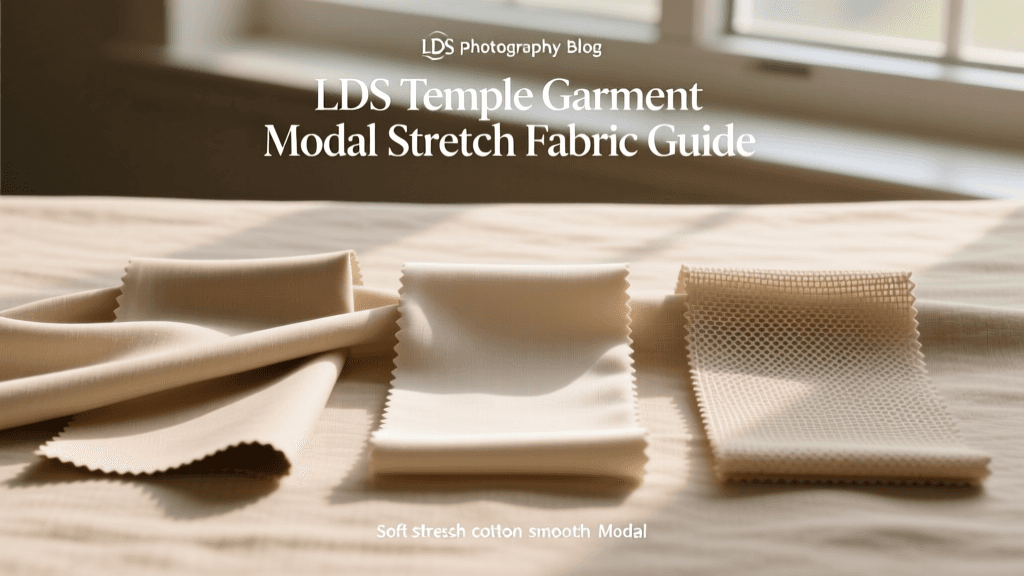
- Modal: Derived from sustainably harvested beech tree pulp, Modal is exceptionally soft, drapes beautifully, and resists pilling. It feels cool to the touch, making it the top choice for 2026 for members working in climate-controlled offices or warmer regions.
- Performance Mesh: A synthetic powerhouse. This fabric wicks sweat away from the body and dries in minutes. It is essential for members serving missions in tropical climates, athletes, or those who work outdoors in high heat.
- Cotton Mesh: A lightweight, open-weave 100% cotton option. It provides maximum airflow but lacks the structural recovery of spandex blends, meaning it may stretch out slightly by the end of the day.
Top Styles and Neckline Options
The 2026 catalog offers a wide variety of necklines and hemlines to ensure garments remain hidden beneath contemporary fashion while providing full coverage.
Top Styles
- Crew Neck: The classic, traditional cut. Best for standard t-shirts, sweaters, and button-down shirts worn fully buttoned.
- V-Neck: Designed for open-collar dress shirts and blouses. The 2026 V-neck features a slightly deeper plunge than previous years to accommodate modern lapel widths.
- Carmen (Off-Shoulder): A wide, horizontal neckline that sits below the collarbone. Essential for wearing beneath boat-neck dresses or wide-scoop tops.
- Scoop Neck: A feminine, rounded cut that sits lower than the crew but higher than the V-neck, ideal for everyday casual wear.
Bottom Styles
- Boxer: The traditional mid-thigh cut with a loose leg. Excellent for sleeping and lounging.
- Bikini: A lower-rise cut that sits on the hips rather than the natural waist, designed to remain hidden beneath low-rise trousers and skirts.
- Capri / Anti-Chafe: A longer, fitted leg that extends to the mid-thigh or knee. Highly recommended for preventing thigh chafing during summer months or when wearing skirts and dresses.
Modern Updates: Inclusivity and Adaptive Designs
One of the most celebrated updates in recent years, which has fully matured in the 2026 product lines, is the expansion of adaptive and maternity garments. The Church has recognized that physical limitations should never be a barrier to wearing the sacred garment.
Adaptive Garments
For members with limited mobility, wheelchair users, or those recovering from surgery, the 2026 adaptive line includes:
- Side-Snap and Open-Back Tops: Featuring hidden, snag-free magnetic closures along the shoulders and sides, allowing the garment to be put on without raising the arms.
- Easy-Close Bottoms: Garments with discreet side-openings utilizing soft-touch velcro or magnetic strips, eliminating the need to pull the garment up over the feet and legs.
Maternity Options
Expectant mothers now have access to specialized maternity bottoms featuring a fold-over, ultra-stretch modal waistband. This panel can be worn over the belly for support or folded down under the bump, ensuring comfort throughout all three trimesters and the postpartum period.
Climate-Specific Recommendations for 2026
Where you live and work should dictate your fabric choices. Here is a quick actionable guide based on regional climates:
- Tropical & Humid (e.g., Hawaii, Central America, Southeast Asia Missions): Exclusively purchase Performance Mesh. Cotton will retain moisture and cause skin irritation. Always pack an extra set for mid-day changes if working outdoors.
- Cold & Freezing (e.g., Idaho, Alberta, Northern Europe): Stick to Stretch Cotton. The cotton fibers provide a slight thermal barrier. Layer with modern merino wool base layers over the garments for extreme outdoor cold.
- Arid & Dry Heat (e.g., Arizona, Nevada, Australia): Cotton Mesh or Modal are ideal. They allow for maximum air circulation and prevent the trapping of dry heat against the skin.
Care Instructions for Maximum Longevity
Modern fabrics require specific care to maintain their elasticity and sacred markings. Improper washing is the leading cause of premature garment replacement.
- Wash in Cold Water: Hot water degrades spandex and elastane over time, causing the garment to lose its shape and become baggy. Always use a gentle, cold-water cycle.
- Avoid Fabric Softeners on Mesh: Fabric softeners coat synthetic fibers (like the nylon in Performance Mesh) and destroy their moisture-wicking capabilities. Use white vinegar in the rinse cycle if you need a natural softener.
- Tumble Dry Low or Hang Dry: High heat is the enemy of Modal and Spandex. Hang drying is the best method to preserve the fabric's integrity. If using a dryer, strictly use the 'Low' or 'Delicate' heat setting.
- Protect from Snags: Wash garments inside out and in a mesh laundry bag to protect them from zippers, velcro, and hooks on other clothing items.
How to Measure Yourself for the 2026 Sizing Chart
The 2026 sizing charts have been updated to reflect the natural stretch of modern fabrics. Do not rely on your clothing size from five years ago. Use a soft measuring tape and follow these steps:
- Chest: Measure around the fullest part of your chest, keeping the tape level under your arms.
- Waist: Measure around your natural waistline (usually just above the belly button) for high-rise styles, or the narrowest part of your hips for bikini styles.
- Hips: Measure around the fullest part of your hips and buttocks.
- Inseam: For Capri or longer bottoms, measure from the upper inner thigh down to your desired hemline.
If you fall between sizes, the general rule for Stretch Cotton is to size down for a supportive, compression-like fit, or size up for a relaxed, traditional feel. For Modal, always choose the larger size if you are on the border, as Modal drapes better when not overstretched.
Conclusion
The 2026 lineup of LDS temple garments represents a perfect harmony between sacred tradition and modern textile innovation. By understanding the unique properties of stretch cotton, modal, and performance mesh, members can select garments that provide all-day comfort, respect the sacred nature of the covenants they represent, and seamlessly integrate into their daily lives and local climates.