Mormon Temple Garments 2026: Meaning, Purpose & Traditions

Understanding Mormon Temple Garments in 2026
Within the rich tapestry of religious and traditional clothing across the Americas, few garments carry as much deeply personal and spiritual significance as the Mormon temple garment. Worn by faithful members of The Church of Jesus Christ of Latter-day Saints (often referred to as the LDS Church), these sacred undergarments represent a profound intersection of American religious history, personal devotion, and evolving textile technology. As we navigate 2026, the global availability, fabric innovations, and distribution methods for these garments have modernized significantly, even as their core spiritual meaning remains entirely unchanged.
Unlike traditional cultural regalia worn for public festivals or indigenous ceremonies, LDS temple garments are intensely private. They are worn beneath everyday clothing as a constant, physical reminder of sacred covenants made inside Latter-day Saint temples. For cultural historians and textile enthusiasts, the evolution of the garment offers a fascinating look at how a 19th-century religious requirement has adapted to the demands of 21st-century active lifestyles, climate variations, and global supply chains.
The Spiritual Meaning and Sacred Purpose
To understand the purpose of the garment, one must look to the theological foundations of the Latter-day Saint faith. According to the official Gospel Topics Essay on Temple Garments, the practice of wearing sacred clothing dates back to the faith's founder, Joseph Smith, in the 1840s. The garment is introduced to members during the temple endowment ceremony, a sacred ordinance that teaches the plan of salvation and invites participants to make covenants with God.
Symbolism of the Marks
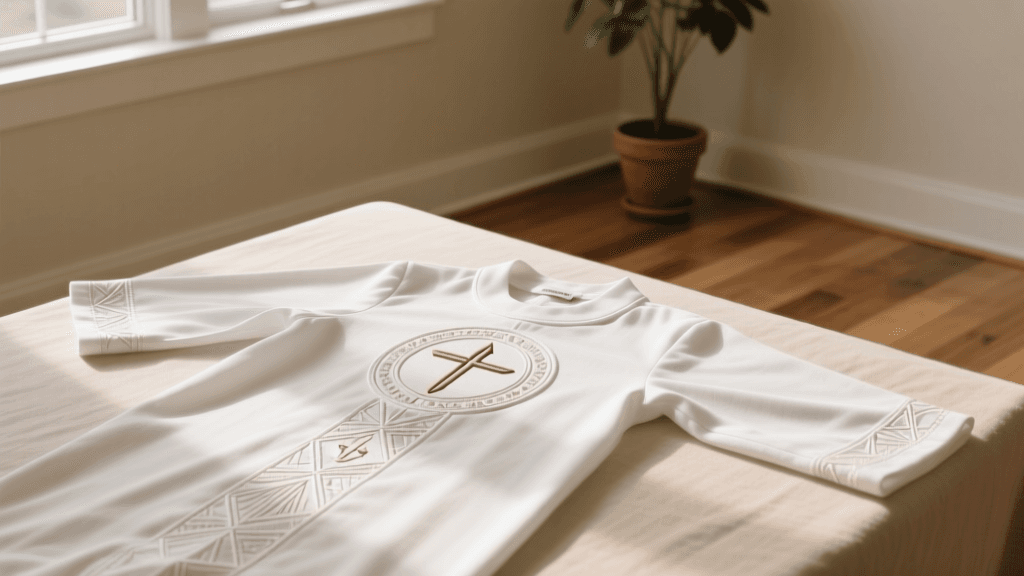
Historically and currently, temple garments feature specific woven or embroidered marks that serve as visual reminders of the covenants made in the temple. These marks include:
- The Compass: Representing an undeviating course leading to eternal life, and a reminder to keep one's life aligned with divine principles.
- The Square: Symbolizing virtue, honor, and the importance of keeping one's actions squared with moral and ethical standards.
- The Navel Mark: A representation of the need for spiritual nourishment and the connection to the divine.
- The Knee Mark: A reminder of the scriptural injunction that 'every knee shall bow' and the importance of prayer and reverence.
For the wearer, the garment acts as a spiritual armor. It is not viewed as having magical or physical protective properties, but rather serves as a psychological and spiritual shield, reminding the individual of their promises and encouraging modesty, purity, and mindfulness in daily life.
Modern Garment Styles and Fabrics in 2026
One of the most significant aspects of LDS garments in 2026 is the wide variety of styles and fabrics available. In the late 19th and early 20th centuries, garments were typically one-piece, full-length union suits made of heavy cotton. Today, the Church's Distribution Services offers a highly specialized catalog of two-piece garments (a top and bottom) designed to accommodate everything from corporate office wear to high-intensity athletics and tropical climates.
Recent years have seen the introduction of advanced moisture-wicking blends, sustainable modal fabrics, and specialized women's necklines that allow members to wear modern clothing styles without compromising their religious commitments. Below is a comparison of the primary fabric options available through the official LDS Distribution store in 2026.
| Fabric Type | Best Suited For | 2026 Price Range (USD) | Care & Durability |
|---|---|---|---|
| 100% Cotton | Everyday wear, sensitive skin, traditional preference | $8.00 - $10.00 per piece | Highly durable, requires tumble drying to maintain shape |
| Modal / Cotton Blend | Office wear, warmer climates, soft drape | $9.50 - $11.50 per piece | Resists shrinking, exceptionally soft, long-lasting |
| Stretch Mesh | Hot/humid climates, summer months, lightweight clothing | $10.00 - $12.00 per piece | Breathable, quick-drying, requires gentle washing |
| Athletic / Performance | Sports, gym workouts, high-sweat environments | $11.00 - $13.50 per piece | Moisture-wicking, anti-microbial, highly elastic |
Women's Specific Styles
In 2026, the options for women are more diverse than ever. Recognizing the varying necklines of modern women's fashion, the Church offers cap-sleeve, crew, scoop, and carmen (off-the-shoulder) tops. This ensures that women can participate fully in professional and social environments without their sacred clothing being visible, thereby maintaining the private nature of the garment.
Traditions, Wearing Guidelines, and Exceptions
The tradition of wearing the garment is one of continuous devotion. Members are counseled to wear their garments day and night throughout their lives. However, practical exceptions are built into the tradition to accommodate the realities of modern life. Garments may be temporarily removed for activities such as swimming, bathing, or participating in contact sports where wearing the garment would be impractical or unsafe. In these instances, the spiritual commitment remains intact, and the garment is put back on as soon as the activity concludes.
Modesty is a core tenet associated with the garment. The physical boundaries of the garment (which typically covers the torso down to the mid-thigh and cap sleeves over the shoulders) serve as a baseline for modest dress. This influences the broader cultural dress standards within the Latter-day Saint community, promoting clothing that covers the midriff, chest, and upper thighs.
Purchasing and Sizing in 2026
Unlike standard apparel, temple garments cannot be purchased by the general public. To buy garments, an individual must be a baptized member of the Church and hold a current 'Temple Recommend'—a card signed by local ecclesiastical leaders that verifies the member's worthiness and standing in the faith.
How to Order
In 2026, the primary method of purchasing garments is through the Church's secure online portal or via physical Distribution Centers located near temples and major chapels worldwide. The online system requires members to log in with their official Church account, which automatically verifies their temple recommend status before allowing the garments to be added to the shopping cart.
Sizing and Measurement Tips
Because the garments are meant to fit comfortably without being overly tight or excessively loose, accurate measurement is crucial. The 2026 sizing charts require members to measure their chest, waist, and hips. For women, the torso length is also a critical measurement to ensure the tops and bottoms meet properly without gaping. The Church offers 'tall' and 'petite' variations, as well as specialized maternity panels, ensuring that the garments adapt to the changing bodies of wearers over time.
Care, Maintenance, and Respectful Disposal
Caring for temple garments involves both practical laundry habits and traditions of reverence. Members are instructed to treat the garments with respect, keeping them clean and in good repair.
Washing Instructions
Modern fabrics like the stretch mesh and athletic blends require specific care to maintain their elasticity and moisture-wicking properties. In 2026, the recommended care routine includes:
- Washing in cold or warm water with like colors.
- Avoiding chlorine bleach, which degrades the synthetic fibers and fades the sacred marks.
- Tumble drying on low heat, or air drying for mesh and athletic materials to prevent heat damage to the elastane.
Respectful Disposal
When a garment becomes worn, torn, or stretched beyond repair, it cannot simply be thrown into the household trash or donated to a thrift store. The tradition of respectful disposal dictates that the sacred marks must be carefully cut out and destroyed. Once the marks are removed, the remaining fabric can be cut into pieces and discarded in the regular waste, or the fabric can be repurposed for cleaning rags. This practice ensures that the sacred symbols are never treated with disrespect or exposed to public view once the garment is no longer usable.
Conclusion
The Mormon temple garment stands as a unique artifact of American religious tradition. It bridges the gap between the pioneering era of the 1840s and the highly connected, technologically advanced world of 2026. While the fabrics have evolved from heavy cotton union suits to breathable modal and high-performance athletic meshes, the underlying purpose remains steadfast. For millions of Latter-day Saints across the Americas and the globe, the garment is a deeply cherished, private sanctuary of faith, serving as a daily, tactile reminder of their spiritual journey and eternal covenants.