LDS Temple Garments in 2026: Meaning, Styles, and Traditions
The Sacred Meaning and Purpose of LDS Garments
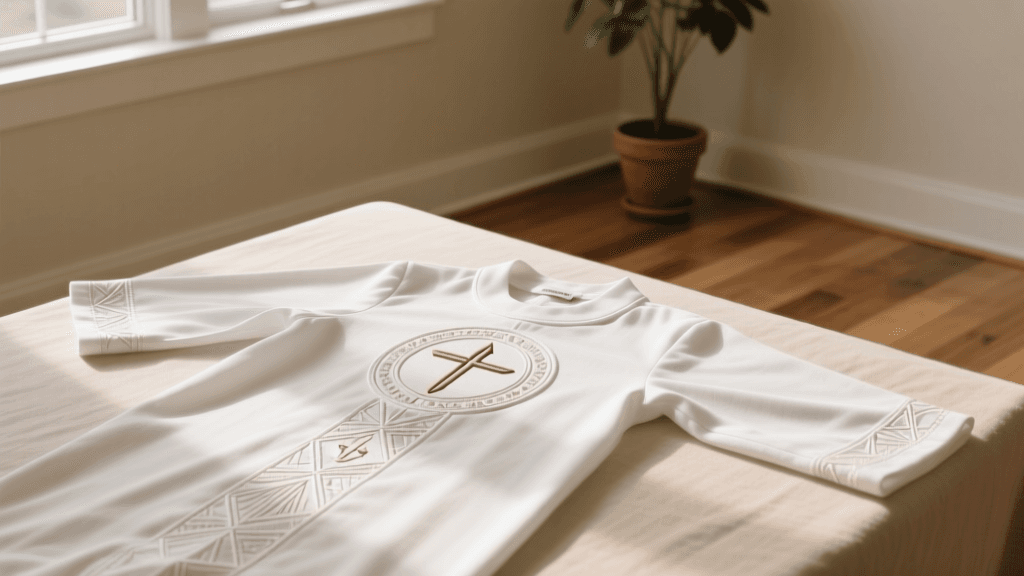
For members of The Church of Jesus Christ of Latter-day Saints (often referred to as the LDS or Mormon Church), the temple garment is a profoundly sacred article of clothing. Far from being a mere cultural artifact or uniform, the garment serves as a deeply personal, spiritual reminder of the covenants (sacred promises) made by endowed members inside Latter-day Saint temples. Worn beneath everyday clothing, these garments are a private expression of faith, commitment, and devotion to God.
The theological roots of the garment trace back to the biblical narrative of Adam and Eve. According to LDS scripture, after leaving the Garden of Eden, Adam and Eve were clothed in coats of skins by the Lord, symbolizing the Atonement of Jesus Christ and the need for spiritual protection. Today, the garment carries similar symbolism. It features specific woven or embroidered marks that represent divine covenants, spiritual protection, and the pursuit of a righteous life. As outlined by the Church Newsroom, the garment is a privilege reserved for those who have participated in the temple endowment ordinance, serving as a constant, tactile reminder of their spiritual commitments in a secular world.
Historical Evolution to Modern 2026 Styles
The design of the LDS temple garment has evolved significantly since its introduction in the 1840s during the Nauvoo, Illinois era. Originally, the garment was a one-piece union suit that extended to the wrists and ankles, reflecting the modesty standards and practical needs of 19th-century pioneer life. Over the decades, as global fashion and textile manufacturing advanced, the Church adapted the garment to meet the practical needs of its worldwide membership.
In the 1920s and 1930s, the garment was transitioned into the modern two-piece design (a t-shirt-like top and knee-length bottoms) that is most recognizable today. Leading into 2026, the Church has continued to refine its offerings to accommodate a diverse, global membership base. Recent approvals by the First Presidency have expanded the variety of necklines, sleeve lengths, and specialized fits for women, ensuring that the sacred marks remain intact while allowing members to participate fully in modern professional, athletic, and cultural environments without compromising their religious commitments.
2026 Fabric Options and Style Guide
As of 2026, the Church’s Distribution Services offers a highly specialized range of fabrics and cuts designed for different climates, body types, and lifestyles. Members can select from several proprietary fabric blends that prioritize breathability, durability, and comfort. Below is a comparison of the primary garment styles available in the 2026 catalog:
| Fabric Type | Best Use Case | Key Features | 2026 Est. Price (Set) |
|---|---|---|---|
| 100% Cotton | Everyday wear, sensitive skin | Classic feel, highly breathable, durable, available in white and sand. | $18.00 - $22.00 |
| CoolMax® Blend | Active lifestyles, sports, humid climates | Moisture-wicking technology, quick-drying, lightweight stretch. | $24.00 - $28.00 |
| Mesh / Tropical | Extreme heat, tropical missions, summer | Maximum airflow, ultra-lightweight, prevents overheating. | $22.00 - $26.00 |
| Modal / Stretch | Professional wear, form-fitting clothing | Ultra-soft, high elasticity, low-profile seams, ideal for modern tailoring. | $26.00 - $30.00 |
In addition to standard fabrics, the 2026 catalog includes specialized options such as maternity garments with expandable abdominal panels, youth garments for young women preparing for temple ordinances, and adaptive garments designed for members with physical disabilities or limited mobility.
Purchasing Guidelines and Sizing in 2026
Purchasing temple garments is restricted to endowed members of the Church. To order garments—whether online via the official Church store or in person at a local Distribution Center—members must provide their current Temple Recommend number. This ensures that the sacred nature of the garment is maintained and that it is only distributed to those who are authorized to wear it.
Actionable Sizing Advice: The 2026 online sizing guide utilizes precise body measurements rather than standard retail apparel sizes (e.g., Small, Medium). Members are instructed to measure their chest, waist, and inseam using a soft measuring tape. For women, the new 2026 style options include cap-sleeve, v-neck, and round-neck variations, each with specific torso-length measurements to ensure the sacred marks align correctly on the body regardless of the outer clothing worn.
Daily Wear, Care, and Respectful Disposal
Endowed members are instructed to wear the garment day and night throughout their lives. It is removed only for activities where it would be impractical or easily damaged, such as swimming, showering, or participating in contact sports. The General Handbook of the Church provides clear, practical instructions on how members should treat these sacred items.
Washing and Maintenance
Garments should be washed with the same care as any high-quality undergarment. Members are advised to use mild detergents and avoid harsh bleaches that might degrade the specialized fabrics or damage the embroidered marks. CoolMax and Modal blends should be tumble-dried on low heat or air-dried to preserve their moisture-wicking and stretch properties.
Respectful Disposal Protocol
When a garment becomes worn, torn, or unusable, it cannot simply be thrown away or donated to thrift stores. The Church mandates a respectful disposal process:
- Step 1: Carefully cut out the sacred marks (the symbols located on the chest and knee areas).
- Step 2: The cut-out marks should be destroyed (e.g., cut into unrecognizable pieces) and disposed of in the household trash.
- Step 3: The remaining fabric, which no longer holds sacred significance, can be discarded in the trash or repurposed as cleaning rags, but it must never be donated or sold.
Cultural Context and Respectful Understanding
For those outside the Latter-day Saint faith, understanding the temple garment requires viewing it through the lens of global religious traditions. The garment is conceptually similar to the tzitzit or tallit katan worn by Orthodox Jewish men, the kara and kacchera worn by Sikhs, or the scapulars worn by devout Catholics. In each of these traditions, a physical article of clothing or jewelry serves as a private, bodily reminder of a covenant with the Divine.
Historically, the garment has been the subject of internet rumors and pejorative terms like 'magic underwear.' However, anthropologists, religious scholars, and cultural commentators in 2026 increasingly emphasize the importance of respecting the deeply held beliefs of minority religious groups. For the millions of Latter-day Saints across the Americas and the globe, the garment is a source of spiritual fortitude, a private sanctuary of faith, and a daily commitment to living a life of moral integrity and service.
Conclusion
The LDS temple garment is a unique intersection of ancient covenant theology and modern textile innovation. As of 2026, the Church’s ongoing efforts to provide diverse, comfortable, and practical garment options demonstrate a commitment to supporting its members in every walk of life. Whether navigating a corporate office in New York, serving a humanitarian mission in the humid tropics, or raising a family in the suburbs, endowed members rely on the garment as an invisible, yet ever-present, anchor to their faith and traditions.