Jingle Dress Regalia: Sourcing Materials & Tips for 2026
The Living Tradition of the Jingle Dress
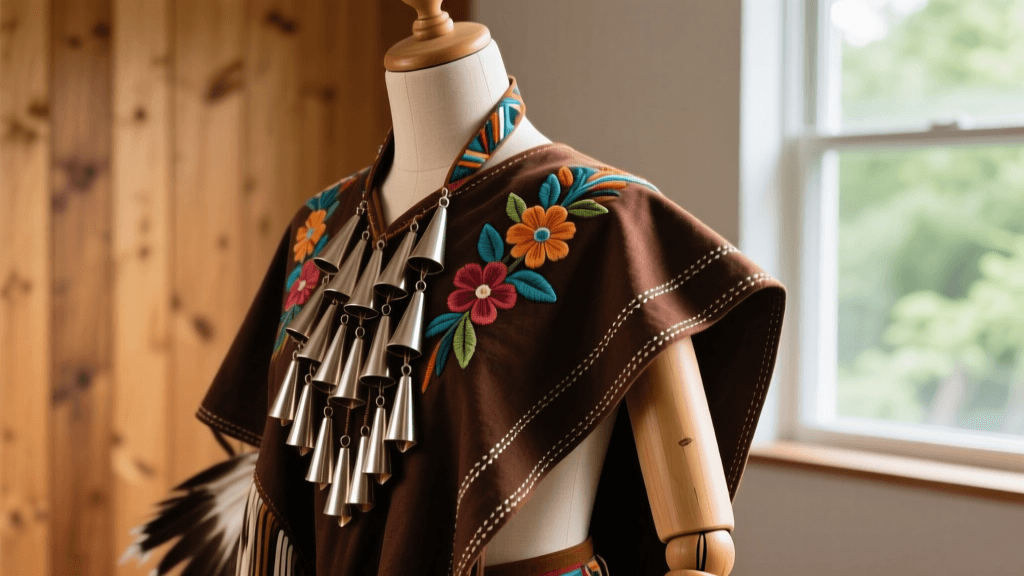
The Jingle Dress, known as Ziibaaska'iganag in the Ojibwe language, is far more than a beautiful garment; it is a profound healing tradition and a cornerstone of intertribal powwow culture. Originating with the Ojibwe people in the early 20th century, the dress and its accompanying dance have evolved into a powerful expression of prayer, resilience, and community health. As we navigate the 2026 powwow season, dancers, seamstresses, and regalia makers are blending ancestral techniques with modern, ethically sourced materials. The goal remains unchanged: to create a garment that not only looks spectacular in the arena but honors the spiritual weight of the medicine it carries.
According to the historical archives maintained by the Mille Lacs Band of Ojibwe, the original vision for the Jingle Dress came to a medicine man in a dream, where he was instructed to create the dress and have his daughter dance in it to heal his ailing heart. Today, the rhythmic, rain-like sound of the metal cones striking one another is still considered the heartbeat of the healing prayer. For regalia makers preparing for the 2026 circuit, understanding how to source the right materials and construct the dress for optimal movement and sound is essential.
Sourcing Ethical Jingle Cones and Hardware in 2026
The zhiishiigwanag (cones) are the soul of the Jingle Dress. The sound they produce must be clear, resonant, and rhythmic. In 2026, the regalia supply market has seen a shift toward sustainable and ethically manufactured metals, moving away from cheap, mass-produced imports that dent easily and produce a dull, tinny sound.
A standard adult Jingle Dress requires anywhere from 250 to 400 cones, depending on the size of the dancer and the density of the rows. When sourcing cones this year, makers are prioritizing hand-rolled or custom-stamped metals. Below is a comparison of the primary cone types available on the market in 2026:
| Cone Type | Material | 2026 Avg. Cost (Per Cone) | Sound Profile | Durability |
|---|---|---|---|---|
| Hand-Rolled Traditional | Raw Copper / Brass | $1.20 - $1.80 | Deep, resonant, melodic | Lifetime (patinas beautifully) |
| Machine-Stamped | Tin / Aluminum Alloy | $0.45 - $0.75 | Higher pitch, brighter | Medium (prone to crushing) |
| Upcycled Tobacco Tin | Reclaimed Steel/Tin | $0.90 - $1.30 | Hollow, vintage rain sound | High (requires rust sealing) |
| Custom Artisan Cast | Bronze / Silver Blend | $2.50 - $4.00 | Rich, bell-like chime | Lifetime (heirloom quality) |
Attaching the Cones
In 2026, the standard for attaching cones has moved away from basic cotton string, which degrades with sweat and friction. Most master regalia makers now recommend using waxed polyester sinew or thin leather thong (1/16 inch width). The cones should be staggered in rows, typically spaced about 1 to 1.5 inches apart, allowing them to strike each other freely without tangling. Always leave a small loop at the top of the cone attachment so the cone can pivot and spin, which maximizes the sound production during the dancer's footwork.
Selecting the Right Broadcloth and Base Fabrics
The base of a traditional Jingle Dress is typically made from wool broadcloth, historically known as Stroud cloth. This heavy, felted wool provides the perfect drape, allowing the skirt to flare beautifully during the dance while maintaining enough weight to keep the cones hanging straight.
However, sourcing 100% pure wool Stroud cloth in 2026 has become increasingly expensive, with premium grades often exceeding $85 per yard. For dancers on a budget, or those building a travel dress for the hot summer powwow months, modern alternatives have become highly acceptable:
- Heavyweight Cotton Sateen: A popular 2026 alternative. It breathes well in high heat and takes appliqué beautifully. Look for a weight of at least 6 oz per square yard.
- Wool-Blend Melton: Often used in military uniforms, a 70/30 wool-poly blend offers the drape of traditional broadcloth at roughly half the cost ($40-$50 per yard). It is highly durable and resists wrinkling in the car.
- Synthetic Broadcloth: While less traditional, high-quality polyester broadcloth is frequently used for youth dresses or practice regalia due to its low cost and machine-washability.
Yardage Tip: For an average adult woman (5'4" to 5'7"), expect to use between 5 and 7 yards of 60-inch-wide fabric to account for the bodice, sleeves, and a full, gathered skirt with adequate hem allowance.
Appliqué and Ribbon Work Integration
The geometric appliqué patterns on a Jingle Dress are not merely decorative; they often represent tribal affiliations, floral motifs, or celestial symbols. The 2026 trend in appliqué leans heavily toward intricate, multi-layered ribbon work that mimics the traditional Great Lakes floral styles, combined with sharp, intertribal geometric step-patterns.
Fabric Choices for Appliqué
For the appliqué strips, 100% cotton quilting fabric remains the gold standard. It presses flat, does not fray excessively when turned under, and comes in an endless array of vibrant, colorfast dyes. When cutting your strips, a width of 3/8 inch to 1/2 inch is ideal for the sharp turns required in floral and step designs. Use a lightweight fusible web (like HeatnBond Lite) to baste your designs to the broadcloth before stitching. This prevents the heavy wool or cotton base from puckering under the tension of the sewing machine.
Beadwork: Sizing and Placement
While the Jingle Dress is defined by its metal cones, beadwork plays a crucial supporting role, particularly on the yoke, cuffs, and moccasins. For the yoke, which often features a fully beaded floral or geometric medallion, the weight of the beads must be factored into the dress's construction.
Most makers in 2026 prefer Size 11/0 or 13/0 Czech glass seed beads for their uniform shape and brilliant luster. Japanese Toho beads are also excellent but can sometimes be too uniform, giving the beadwork a slightly mechanical look compared to the organic feel of Czech glass. Always bead onto a separate piece of heavy interfacing or smoked brain-tan deer hide, and then stitch the completed beaded panel onto the dress. This allows the beadwork to be removed and transferred to a new dress in the future, preserving the maker's time and artistry.
Construction and Fit: Designing for the Powwow Arena
The Jingle Dress dance style is highly specific. As noted by the dance experts at Powwows.com, the traditional Jingle Dress dance requires the dancer to keep one foot on the ground at all times, utilizing a smooth, gliding step that creates a continuous, rhythmic swishing of the cones. The dress must be constructed to facilitate this movement without restricting the dancer or flying up in the wind.
Key Construction Elements for 2026
- The Hem Weight: This is the most critical construction secret. The bottom hem of the skirt must be weighted so that the cones hang perfectly straight and the skirt flares outward rather than blowing up. In 2026, makers are using 1-inch wide strips of heavy leather or lead-free drapery weights encased in the hem bias tape.
- Underarm Gussets: To allow for the raising of arms and the use of fans, diamond-shaped gussets should be inserted into the underarm seams. This prevents the heavy broadcloth from binding and tearing at the stress points.
- The Yoke Drop: The yoke should drop slightly lower in the back than in the front to accommodate the dancer's posture and prevent the neckline from choking the dancer during the slight forward lean of the dance.
- Skirt Fullness: The skirt should be gathered or pleated into the waistband with a fullness ratio of at least 2:1 (two inches of skirt fabric for every one inch of waist). This ensures the dress has the necessary volume to create the iconic silhouette in the arena.
Caring for and Preserving Your Regalia
A handmade Jingle Dress is a significant financial and emotional investment. Proper care ensures it lasts for generations. The metal cones are particularly vulnerable to crushing when packed in tight cars or stored in crowded closets.
According to textile preservation guidelines referenced by institutions like the Smithsonian National Museum of the American Indian, indigenous garments should be stored in breathable, acid-free environments. For a Jingle Dress, never hang it by the shoulders for long-term storage, as the weight of the cones and beadwork will stretch the broadcloth and tear the seams. Instead, store the dress flat in a large, acid-free archival box, with acid-free tissue paper stuffed into the sleeves and bodice to maintain its shape. When traveling to powwows, roll the skirt gently around a pool noodle or padded cardboard tube to prevent the cones from being crushed against one another.
Final Thoughts for the 2026 Season
Creating a Jingle Dress is an act of devotion, patience, and cultural continuity. Whether you are hand-rolling your own copper cones, meticulously cutting cotton appliqué, or carefully weighting the hem for the perfect arena flare, every stitch carries the medicine of the Ojibwe ancestors. As you step into the arena this 2026 season, may your dress sound like the healing rain, and may your dance bring strength to your community.