Mormon Temple Garments 2026: Complete History & Style Guide
Introduction to LDS Temple Garments
Within the diverse tapestry of American religious and cultural clothing, few garments carry as much personal significance and historical evolution as the temple garments worn by members of The Church of Jesus Christ of Latter-day Saints (often referred to as Mormon garments). Far from being mere undergarments, these sacred items represent a deeply personal covenant, a rich textile history, and a unique intersection of faith and daily life. As of 2026, the Church has continued to refine the materials, cuts, and global distribution of these garments, ensuring they meet the needs of a diverse, worldwide membership while maintaining their sacred symbolism. This comprehensive guide explores the history, spiritual meaning, modern fabric technologies, and practical purchasing advice for LDS temple garments in 2026.
The Historical Evolution of Sacred Clothing
The origins of the temple garment trace back to the early 1840s in Nauvoo, Illinois. According to Church history, founder Joseph Smith introduced the garment as part of the temple endowment ceremony. Early iterations were vastly different from what members wear today. The original garments were one-piece union suits, typically made from heavy wool flannel or unbleached cotton, featuring long sleeves and long legs that extended to the wrists and ankles. They were adorned with specific woven or embroidered marks that held deep theological symbolism.
As the Church migrated to the Salt Lake Valley and expanded globally, the practical need for more adaptable clothing became apparent. The first major structural modification occurred in 1923, when Church leadership approved shorter sleeves and legs, transitioning the garment from a full-body union suit to a more practical knee-length and elbow-length design. This shift reflected the broader American transition away from heavy union suits toward modern undergarments.
Throughout the mid-20th century, the Church experimented with different fabrics, moving away from heavy wool and stiff cotton to more breathable blends. The 1970s saw the introduction of synthetic blends, which offered greater durability and ease of care. By the 21st century, and particularly leading into 2026, the focus has shifted toward advanced textile engineering, offering moisture-wicking, stretch, and climate-specific fabrics to accommodate a global membership base living in diverse environments.
Spiritual Meaning and Covenants
To understand the garment, one must understand its purpose. According to the official Gospel Topics Essay on Temple Garments, the clothing serves as a physical reminder of the covenants made by the wearer inside the temple. These covenants are sacred promises between the individual and God, focusing on obedience, sacrifice, and devotion to the teachings of Jesus Christ.
The garment features specific marks (symbols) woven or embroidered into the fabric, which correspond to concepts taught during the temple endowment. These symbols serve as a continuous, tactile reminder of the wearer's spiritual commitments. Furthermore, Church leaders have historically taught that the garment provides spiritual protection, helping the wearer resist temptation and remain mindful of their faith throughout the challenges of daily life. Because of this sacred nature, members treat the garments with a high degree of respect, handling, washing, and disposing of them in specific, reverent ways.
2026 Guide to Garment Styles and Fabrics
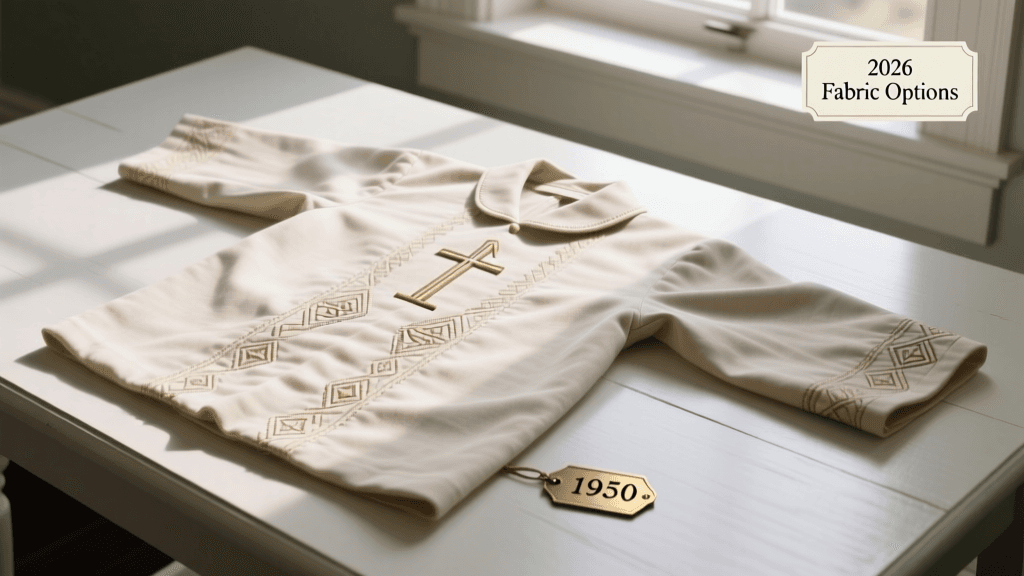
In 2026, the Church's Distribution Services offers a highly curated selection of fabrics designed to balance modesty, comfort, and durability. Members can choose from several fabric types depending on their climate, activity level, and skin sensitivity. The Official Church Distribution Store categorizes these options to help members find their ideal fit.
| Fabric Type | Composition | Best For | 2026 Availability |
|---|---|---|---|
| Cotton | 100% Combed Cotton | Everyday wear, sensitive skin, temperate climates | Standard Global |
| Modal Blend | Modal / Spandex | Softness, stretch, professional settings under fitted clothing | Standard Global |
| Stretch Mesh | Nylon / Spandex Mesh | High heat, high humidity, intense physical activity | Standard Global |
| Cotton/Poly Blend | Cotton / Polyester | Durability, quick drying, travel | Limited Regional |
The introduction of the Stretch Mesh fabric over the last decade has been revolutionary for members living in tropical climates or those serving missions in high-heat areas. As of 2026, the mesh options have been further refined to prevent snagging while maintaining maximum breathability. The Modal blend remains a top choice for women wearing fitted professional attire, as the fabric's natural drape and stretch prevent visible lines and bunching.
Women's Specific Styles and Modern Adjustments
Historically, garments were largely unisex in their cut, which presented challenges for women's modern fashion, particularly regarding necklines and sleeve lengths. In response to member feedback, the Church has spent the last several years expanding the options available for women. As detailed in historical archives like the Encyclopedia of Mormonism, the evolution of the garment has always balanced sacred modesty requirements with practical cultural clothing norms.
In 2026, women can choose from several neckline and sleeve variations for the garment top. These include:
- Classic Crew Neck: The traditional, higher neckline.
- Rounded Neckline: A slightly lower, wider cut that accommodates standard t-shirts and blouses.
- V-Neck: Designed specifically to remain hidden under lower-cut professional or casual tops.
- Capped Sleeve: A wider, shorter sleeve that provides coverage while remaining invisible under short-sleeved or cap-sleeve shirts.
- Camisole Style: A spaghetti-strap style designed for sleeveless dresses and tops, ensuring the sacred marks are retained while allowing for modest outerwear.
These adjustments reflect a significant institutional effort to ensure that female members do not have to choose between their religious covenants and participating fully in modern professional and social environments.
Purchasing, Fit, and Global Distribution
Purchasing temple garments is restricted to members who have received their temple endowment. This is verified through a temple recommend, which is linked to the member's Church account. In 2026, the primary method of purchasing garments is through the Church's online Distribution Store or via local Distribution Centers located near temples and major stakes.
Getting the correct fit is crucial for both comfort and the proper placement of the garment's symbolic marks. The online store provides detailed, printable measuring guides. Members are advised to measure their chest, waist, and inseam rather than relying on standard retail clothing sizes, as garment sizing runs differently than commercial apparel. For members in remote areas of South America, Africa, and Asia where local distribution centers are scarce, the Church has optimized its global shipping logistics, allowing for bulk annual orders to minimize international shipping costs and customs delays.
Proper Care and Respectful Retirement
Because of their sacred nature, temple garments require specific care. They should be washed and dried with regular laundry, but members are counseled to treat them respectfully. They should not be left on the floor or handled in a dismissive manner.
When a garment becomes worn, torn, or no longer usable, it must be retired in a specific manner. The current 2026 Church guidelines dictate that the wearer should carefully cut out the sacred marks (the symbols embroidered or woven into the fabric). These marks should be destroyed, typically by burning or burying them, so they cannot be recognized or desecrated. The remaining fabric, now stripped of its sacred markings, can be disposed of in the regular trash or repurposed as cleaning rags. This process ensures that the sacred elements of the garment are protected even at the end of the textile's physical lifespan.
Conclusion
The Mormon temple garment is a profound example of how traditional religious clothing adapts to the modern world without losing its core spiritual significance. From the heavy wool union suits of the 1840s to the advanced, climate-adaptive stretch meshes and diverse women's cuts available in 2026, the garment's evolution mirrors the globalization and modernization of the Latter-day Saint faith. For those who wear them, these garments are not merely a historical artifact or a strict dress code, but a deeply personal, daily embrace of faith, covenant, and spiritual identity in the Americas and across the globe.