Mormon Temple Garments: 2026 History, Styles & Buying Guide

The Sacred Origins and Historical Evolution
Mormon temple garments, often simply referred to as "garments" or "LDS garments," are a distinctive and deeply sacred form of religious clothing worn by members of The Church of Jesus Christ of Latter-day Saints. Unlike traditional cultural garments that signify regional heritage or indigenous tribal affiliation, temple garments represent a spiritual heritage and a personal covenant made with God. To understand their place in the broader tapestry of Americas and Indigenous religious dress, one must look back to their origins in the 19th century.
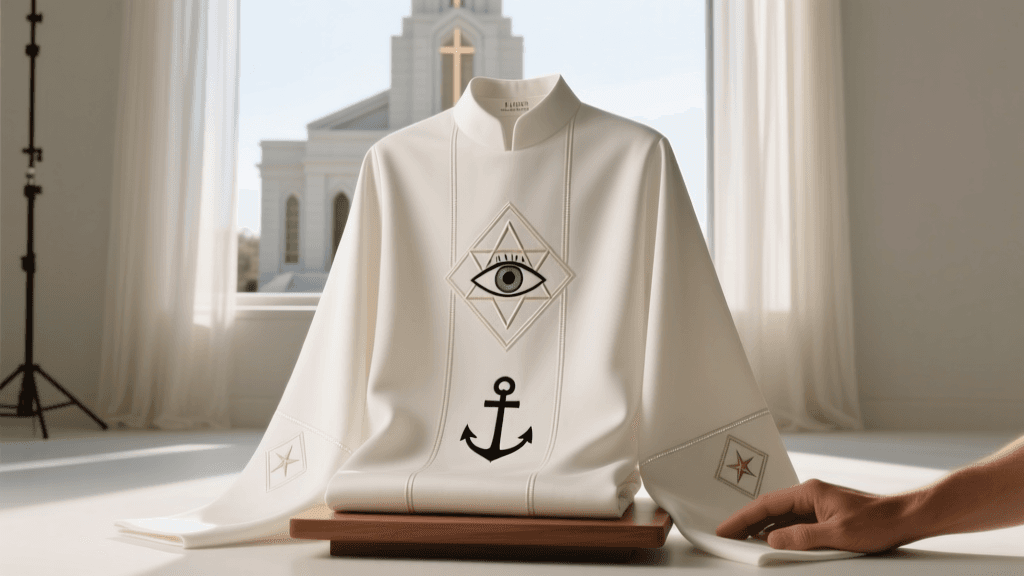
The history of the temple garment traces back to 1842 in Nauvoo, Illinois, when the Church's founder, Joseph Smith, introduced the temple endowment ceremony. As part of this sacred ordinance, participants were instructed to wear a special undergarment. According to the Gospel Topics Essay on Temple Garments published by the Church, these early garments were one-piece, long-sleeved, and full-length, resembling the union suits common in the 19th century. They were adorned with specific woven or embroidered marks that held deep theological symbolism, drawing parallels to the sacred vestments worn by the ancient Israelite high priests as described in the Book of Exodus.
Over the decades, the garment evolved to accommodate the changing realities of modern life and global climates. In the 1920s and 1930s, the Church authorized the transition from a one-piece union suit to a two-piece design (a separate top and bottom), which greatly improved comfort and practicality. Throughout the mid-to-late 20th century, further modifications were made, particularly for women, to allow for shorter sleeves and varying necklines that aligned with contemporary modest fashion while strictly preserving the sacred covenant markers. Today, in 2026, the garment stands as a testament to the Church's ability to balance ancient religious mandates with the practical needs of a global membership spanning diverse cultures and environments.
Spiritual Significance in the Modern Era
For Latter-day Saints, the garment is not merely a piece of clothing; it is a visual and tactile reminder of the covenants made inside the temple. Members who have participated in the endowment ordinance make promises to live righteously, follow Jesus Christ, and dedicate their lives to God's service. The garment serves as a daily, physical reminder of those promises.
Church leaders frequently describe the garment as a "shield and a protection." This is not meant to imply that the clothing possesses magical or mystical properties that prevent physical harm. Rather, it serves as a spiritual shield, reminding the wearer of their commitment to moral purity, honesty, and integrity, which in turn protects them from the temptations and moral compromises of the modern world. When a member puts on the garment each morning, it is a deliberate act of spiritual mindfulness, grounding them in their faith before they step out into the world.
2026 Guide to LDS Garment Styles and Fabrics
As of 2026, the Church offers a highly diversified catalog of garment styles and fabrics to meet the needs of its diverse global membership. Whether a member is living in a tropical climate, working in a professional corporate environment, or engaging in high-intensity athletics, there is a garment style designed to accommodate their lifestyle while maintaining the required modesty and sacred marks.
Women's Styles
- Scoop Neck: The most popular style for everyday wear, offering a versatile neckline that remains hidden beneath most standard blouses and dresses.
- V-Neck: Designed for women who wear wrap dresses or deeper necklines, ensuring the garment remains unseen while preserving modesty.
- Stretch & Modal: Crafted with softer, more flexible fabrics that drape elegantly under fitted professional attire or formal wear.
- Maternity: Specially designed with extra room and stretch in the midsection to accommodate the changing bodies of expectant mothers without sacrificing comfort.
- Youth Styles: Simplified, modest two-piece sets designed for young women preparing to attend the temple, featuring age-appropriate cuts and softer fabrics.
Men's Styles
- Crew Neck: The classic, traditional cut that pairs well with standard casual and business-casual attire.
- V-Neck: Ideal for wearing under unbuttoned collared shirts or deeper-neck sweaters.
- Athletic: A modern staple featuring moisture-wicking technology, mesh panels, and anti-odor properties for men engaged in sports, manual labor, or living in hot, humid climates.
Fabric Comparison Chart (2026 Offerings)
| Fabric Type | Primary Benefits | Best Use Case | Estimated 2026 Cost (Per Piece) |
|---|---|---|---|
| 100% Cotton | Breathable, natural, durable, traditional feel | Everyday wear, sensitive skin, temperate climates | $9.50 - $10.50 |
| Cotton/Poly Stretch | Shape retention, wrinkle-resistant, flexible | Travel, business attire, active professionals | $10.00 - $11.00 |
| Modal Blend | Extremely soft, lightweight, excellent drape | Formal wear, fitted clothing, lounging | $11.00 - $12.00 |
| Athletic (Synthetic) | Moisture-wicking, quick-drying, anti-microbial | Sports, gym, outdoor labor, tropical climates | $11.50 - $12.50 |
How to Purchase Temple Garments in 2026
Purchasing temple garments is a restricted process, as they are considered sacred items and are not sold to the general public or in commercial retail stores. To buy garments, an individual must be a baptized member of The Church of Jesus Christ of Latter-day Saints and possess a current, valid Temple Recommend—a card signed by local ecclesiastical leaders that verifies the member's worthiness and commitment to Church standards.
As outlined by the Church Temple Clothing and Garments Store, members have two primary avenues for purchasing garments in 2026:
- Online Distribution Services: Members can log into their official Church account on the Distribution Services website. The portal verifies their temple recommend status automatically, allowing them to browse the full 2026 catalog, select sizes and fabrics, and have the garments shipped directly to their home. Global shipping networks have vastly improved, allowing members in remote areas of South America, Africa, and Asia to receive garments within a few weeks.
- Physical Distribution Centers: Most LDS temples and large stake centers feature a physical Distribution Center. Members can visit these stores, try on different styles for sizing, and purchase garments in person. This is highly recommended for first-time buyers or those trying a new fabric like the athletic or modal lines.
The cost of garments is heavily subsidized by the Church to ensure they are accessible to members of all income levels. In 2026, individual pieces (tops or bottoms) generally range from $9.50 to $12.50 depending on the fabric technology and style complexity.
Proper Care, Washing, and Disposal
Because of their sacred nature, members are taught to treat their garments with the utmost respect. The Preparing to Enter the Holy Temple manual provides clear guidelines on how to handle these items. Garments can and should be washed regularly with standard laundry detergents. They do not require special, separate washing cycles, though members are encouraged to wash them in a manner that keeps them clean and in good repair.
When a garment becomes worn out, torn, or no longer usable, it cannot simply be thrown in the trash intact. The proper method of disposal requires the member to carefully cut out the sacred marks (the woven or embroidered symbols located on the chest and knee areas). Once the marks are removed and destroyed, the remaining fabric can be discarded in the regular trash. Alternatively, if cutting the marks out is not feasible, the entire garment may be burned. This careful disposal process ensures that the sacred symbols are never exposed to public view or treated with disrespect in landfills or thrift stores.
Conclusion
Mormon temple garments represent a unique intersection of American religious history and global spiritual practice. From their origins as 19th-century union suits in Nauvoo to the diverse, technologically advanced fabrics available in 2026, the garment has adapted to the modern world while fiercely protecting its ancient, sacred purpose. For the millions of Latter-day Saints who wear them daily, these garments are far more than mere textiles; they are a quiet, constant companion and a deeply personal reminder of a lifelong commitment to faith, modesty, and divine covenants.