2026 Jingle Dress Regalia Guide: Materials and Sourcing
The Healing Origins and Modern Significance of the Jingle Dress
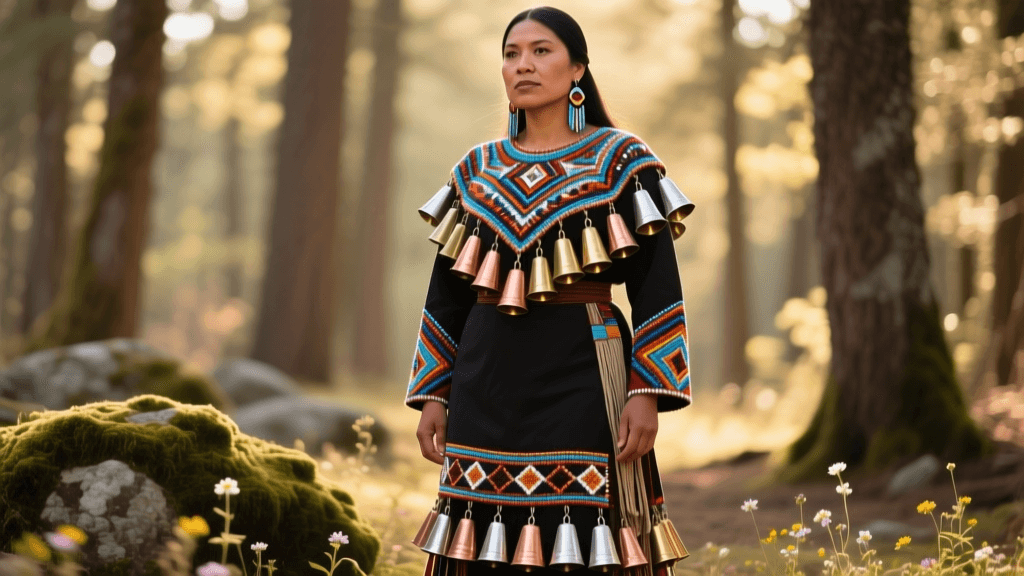
The Jingle Dress, often referred to as a healing dress, is one of the most culturally significant and visually stunning garments in Native American traditional clothing. Originating among the Ojibwe (Chippewa) people of the Great Lakes region in the early 20th century, the dress was born from a vision received by a medicine man seeking a way to heal his gravely ill daughter. The vision instructed him to create a dress adorned with metal cones that would produce a specific, rain-like sound when the wearer danced. Today, the Jingle Dress dance is a staple at powwows across North America, revered not just as a competitive dance category, but as a profound spiritual practice and a vessel for community healing.
As we navigate the 2026 powwow season, the construction of Jingle Dress regalia has evolved to incorporate modern textiles and advanced crafting techniques, while strictly maintaining the sacred protocols and traditional aesthetics established by Indigenous elders. For those looking to understand, construct, or commission this regalia, navigating the materials and sourcing options requires both cultural respect and practical knowledge of today's garment supply chains.
Choosing the Right Fabrics for 2026 Powwow Seasons
Historically, Jingle Dresses were constructed from heavy cotton broadcloth or velvet, materials that were durable but often overwhelmingly hot during the peak of summer powwow seasons. In 2026, regalia makers are increasingly turning to advanced textile blends that honor the traditional drape and opacity of broadcloth while offering modern moisture-wicking and breathability properties.
When sourcing fabric for the base of the dress, the primary consideration is weight and movement. The dress must flow gracefully and allow the metal cones to strike each other to create the signature sound. Standard cotton-polyester broadcloth (typically 4.5 to 6 ounces per square yard) remains the gold standard for its structural integrity. However, many contemporary dancers now opt for high-quality matte taffeta or performance crepe blends for the skirt panels to reduce garment weight. It is crucial to avoid overly stiff fabrics, as they inhibit the fluid, side-stepping motion required in both Old Style and Contemporary Jingle Dress dancing.
Color selection is deeply personal but often guided by regional traditions and clan colors. Deep jewel tones—such as emerald green, sapphire blue, and rich burgundy—remain incredibly popular in 2026, often contrasted with vibrant ribbon appliqué work in yellow, red, and white.
Sourcing and Selecting Metal Jingles (Cones)
The metal cones, or 'jingles,' are the heartbeat of the regalia. The sound they produce is considered the medicine of the dress, meant to carry prayers up to the Creator. Traditionally, these cones were hand-rolled from the metal lids of snuff or tobacco tins. Today, while some traditionalists still upcycle tobacco lids for historical accuracy and a softer, deeper tone, the vast majority of jingles are commercially stamped or hand-rolled from sheet steel or tin.
When sourcing jingles in 2026, buyers must consider the acoustic profile, durability, and weight. A standard adult dress requires anywhere from 150 to 365 jingles, depending on the dancer's preference and the specific style of the dress (Old Style dresses typically feature fewer jingles arranged in specific patterns, while Contemporary competition dresses may be heavily laden with them). Below is a comparison of the primary jingle types available on the market this year:
| Jingle Type | Material & Construction | Sound Profile | 2026 Avg. Price (per 100) |
|---|---|---|---|
| Stamped Tin (Imported) | Machine-stamped thin tin | Bright, high-pitched, sharp | $35.00 - $45.00 |
| Hand-Rolled Steel (Domestic) | Artisan-rolled cold-rolled steel | Deep, resonant, sustained | $85.00 - $120.00 |
| Upcycled Tobacco Lids | Repurposed vintage/new tin lids | Muted, earthy, traditional | $60.00 - $90.00 |
| Brass-Alloy Replicas | Cast or rolled brass alloy | Warm, melodic, heavy | $110.00 - $150.00 |
For authentic, domestically produced hand-rolled steel jingles, sourcing directly from Native American metalworkers and specialized powwow supply vendors is highly recommended. This not only ensures superior acoustic quality but also supports Indigenous artisans directly.
Beadwork, Ribbons, and Appliqué Techniques
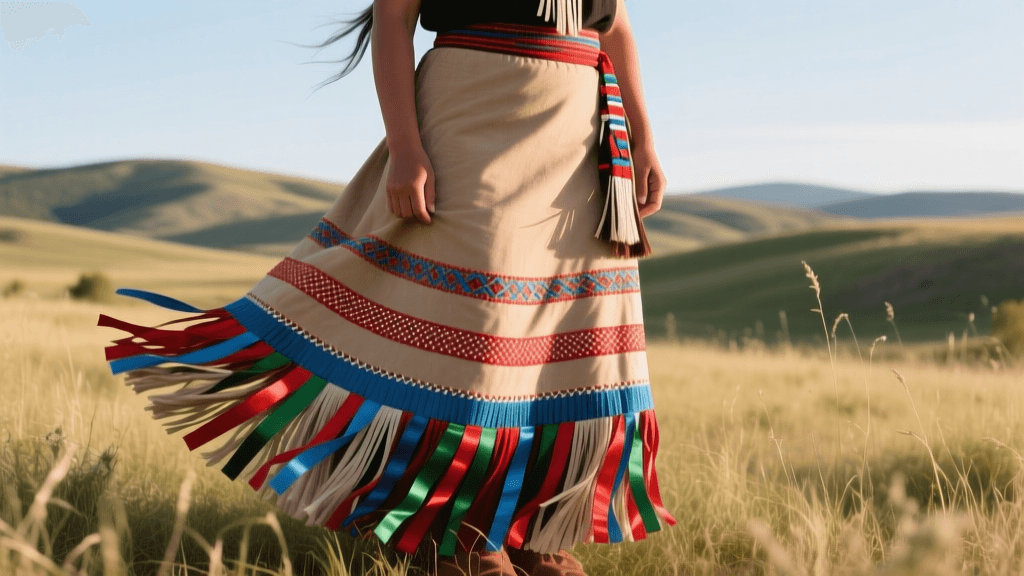
The visual splendor of the Jingle Dress lies in its intricate ribbon appliqué and beadwork. Ribbon work, a technique adapted by Great Lakes tribes in the 18th and 19th centuries using European silk ribbons, is used to create striking geometric patterns along the hem, sleeves, and yoke of the dress. In 2026, polyester grosgrain and double-faced satin ribbons are the standard, chosen for their colorfastness and resistance to fraying during the rigorous movements of competition dancing.
Beadwork on Jingle Dresses is typically concentrated on the yoke, the belt, and the accessories (such as the purse, choker, and hair ties). Size 13/0 Charlotte cut glass beads remain the premier choice for their faceted brilliance and uniform sizing. Czech-manufactured Preciosa beads and Japanese Miyuki beads are the industry standards. When sourcing beads, it is vital to purchase from reputable dealers to avoid counterfeit or poorly dyed glass beads that can bleed color onto the fabric when exposed to summer sweat and humidity.
The jingles themselves are attached to the dress using strong, waxed nylon thread or sinew, often reinforced with a leather or heavy canvas backing on the inside of the garment to prevent the metal cones from tearing through the broadcloth over time.
Cultural Protocols and Authentic Purchasing
The Jingle Dress is not merely a costume; it is a sacred item of spiritual and cultural significance. Non-Native individuals should never wear or purchase a Jingle Dress for personal use, Halloween, or festivals. However, non-Native allies and institutions can support the tradition by purchasing authentic beadwork, ribbon shirts, and accessories from verified Indigenous artists, or by commissioning regalia for Native community members.
When purchasing any Native American garment or craft, consumers must be aware of the Indian Arts and Crafts Act (IACA), a federal truth-in-advertising law that prohibits misrepresentation in marketing of Indian arts and crafts products within the United States. To ensure you are buying authentic goods and supporting legitimate Indigenous economies, always verify the tribal affiliation of the artist. The U.S. Department of the Interior's Indian Arts and Crafts Board provides excellent resources and directories for finding verified Native artisans, which you can explore via the official DOI Buy Authentic portal.
For those new to the powwow circuit and seeking to understand the deeper context of the dance and its regalia, educational platforms like Powwows.com offer invaluable historical archives, interviews with champion dancers, and etiquette guides for attending ceremonies respectfully.
2026 Budget Breakdown for a Complete Regalia Set
Constructing a Jingle Dress regalia set is a significant investment of both time and financial resources. For a family or dancer planning to build a complete, competition-ready set from scratch in 2026, budgeting accurately is essential. Below is an estimated cost breakdown for a DIY adult-sized regalia set, excluding the cost of a sewing machine and specialized beading looms:
- Base Fabrics (Broadcloth & Lining): $60 - $95 (5-7 yards)
- Ribbon for Appliqué: $45 - $70 (Multiple colors, 50+ yards total)
- Metal Jingles (250 count, Mid-tier Steel): $150 - $220
- Glass Beads (Size 13/0, Assorted Colors): $80 - $130
- Heavy-duty Thread, Needles, and Backing: $35 - $50
- Leather Moccasins (Beaded, Custom Fit): $250 - $450
- Shawl and Fringe: $75 - $120
- Leggings and Hair Accessories: $100 - $180
Total Estimated DIY Cost: $795 - $1,315.
Note: Commissioning a fully finished, master-beaded Jingle Dress from a renowned Indigenous regalia maker in 2026 typically ranges from $2,500 to $5,000+, reflecting the hundreds of hours of skilled, sacred labor required to complete the garment.
Ultimately, the creation of a Jingle Dress is a labor of love, devotion, and cultural continuity. Whether you are a dancer preparing for the 2026 Grand Entries, a family member sewing for your children, or a scholar studying Indigenous textile arts, understanding the materials, costs, and protocols ensures the continued honor and preservation of this remarkable healing tradition.