Ojibwe & Lakota Ribbon Skirts: 2026 Tradition & Sourcing Guide
The Resurgence and Significance of the Ribbon Skirt in 2026
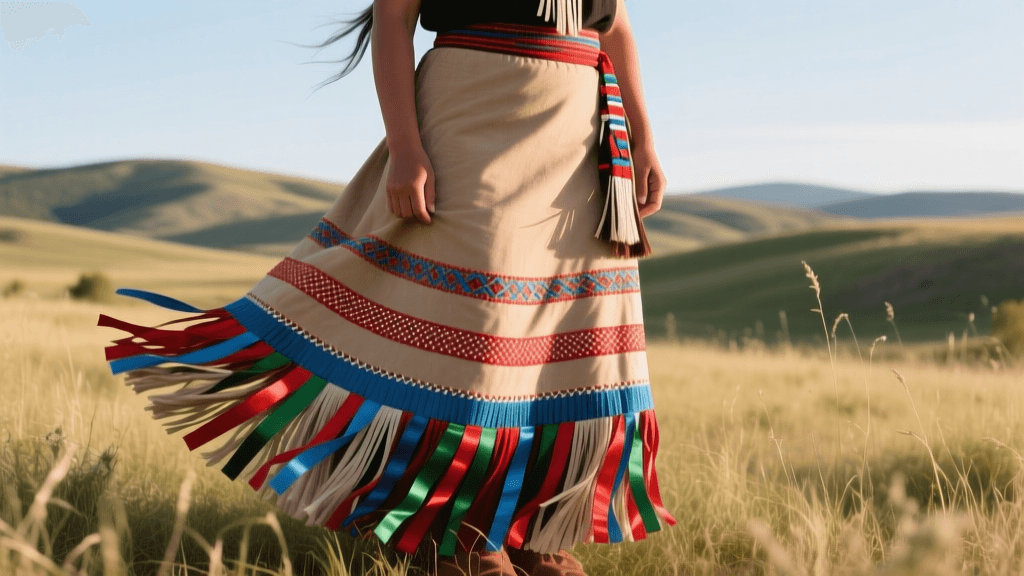
The ribbon skirt is far more than a garment; it is a sacred symbol of Indigenous resilience, womanhood, and cultural continuity across North America. As we navigate through 2026, the ribbon skirt has experienced an unprecedented resurgence, transitioning from powwow regalia to everyday expressions of sovereignty, political advocacy, and high fashion. Following landmark 2025 and 2026 legislative victories in several US states and Canadian provinces protecting the right of Indigenous students to wear traditional regalia at graduation ceremonies, the demand for authentic, tribally-made ribbon skirts has reached an all-time high.
Historically, the tradition of ribbon work emerged in the 18th and 19th centuries when European traders introduced silk and satin ribbons to North America. Indigenous artisans brilliantly adapted these materials, integrating them into existing hide and cloth garments to create vibrant, deeply meaningful textiles. Today, according to the National Museum of the American Indian, ribbon work remains one of the most dynamic and evolving textile arts in Indigenous North America, with distinct regional variations that tell the story of specific tribes, families, and environments.
Regional Variations: Ojibwe vs. Lakota Dress Traditions
While the ribbon skirt is worn by many tribes across the Americas, the design language, construction techniques, and spiritual meanings vary drastically by region. Understanding the differences between the Great Lakes and Plains traditions is essential for collectors, cultural enthusiasts, and those looking to commission a garment in 2026.
Ojibwe (Anishinaabe) Floral and Geometric Patterns
The Ojibwe, or Anishinaabe, people of the Great Lakes region are widely celebrated for their intricate appliqué ribbon work. In 2026, Ojibwe designers continue to draw heavy inspiration from their local environment, utilizing complex floral motifs that represent medicinal plants, local flora, and the interconnectedness of nature. The technique typically involves a 'cut and sew' appliqué method, where layers of brightly colored satin ribbons are folded, cut, and sewn onto a heavy base fabric to create striking, contrasting silhouettes.
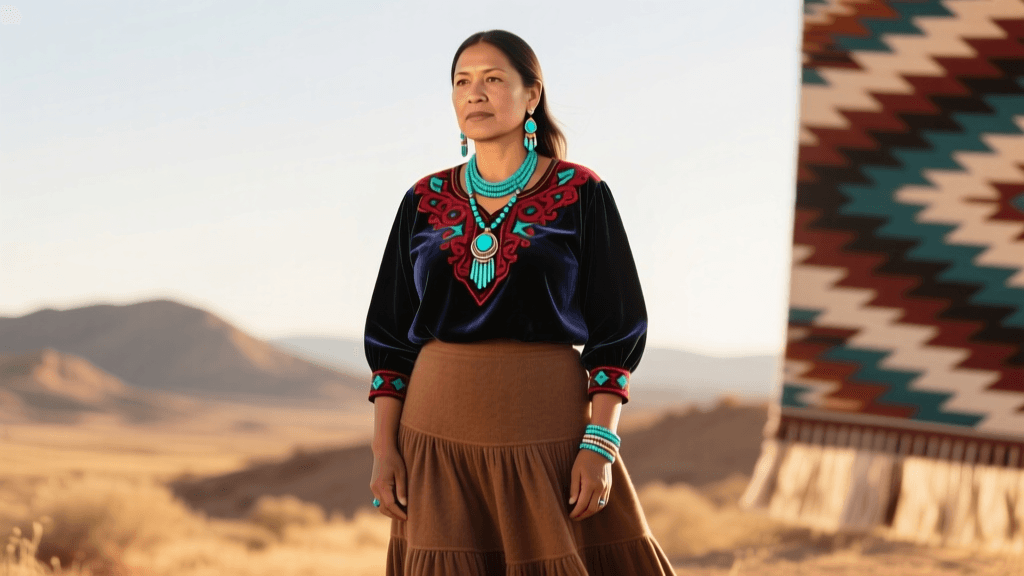
Ojibwe skirts often feature asymmetrical or flowing vine-like patterns that wrap around the skirt, mimicking the growth of wild rice and cedar. The colors used are deeply intentional, frequently incorporating the four colors of the Medicine Wheel (black, white, yellow, and red) or specific clan colors. The base fabric for an authentic Ojibwe skirt is traditionally a heavy wool broadcloth or velvet, which provides the necessary structure to support the heavy layers of ribbon appliqué and intricate beadwork that often borders the hem and waist.
Lakota (Sioux) Star Quilts and Bold Symmetry
Traveling westward to the Northern Plains, the Lakota (Sioux) ribbon skirt tradition reflects a different landscape and spiritual worldview. Lakota dress traditions are heavily influenced by the geometry of the cosmos, the star quilt tradition, and the bold, symmetrical patterns found in traditional hide painting and parfleche. Instead of the flowing florals of the Great Lakes, Lakota ribbon skirts frequently feature bold geometric shapes: diamonds, stepped triangles, and the iconic eight-pointed morning star.
In 2026, Lakota artisans are increasingly blending traditional ribbon appliqué with elaborate lazy-stitch beadwork, cowrie shells, and imitation elk teeth (historically a sign of wealth and status). The base materials tend to be lighter than their Ojibwe counterparts, often utilizing high-quality cotton broadcloth, calico, or even modern performance fabrics for dancers who require breathability during the intense heat of summer powwows. The skirts are often accompanied by a matching ribbon shawl or beaded yoke, creating a cohesive regalia set that is highly sought after at events like the 2026 Santa Fe Indian Market.
Materials and Construction: What to Look For
When evaluating a ribbon skirt, the quality of materials and the integrity of the construction are paramount. Mass-produced, commercially manufactured skirts have flooded online marketplaces, often appropriating Indigenous designs without benefiting Native communities. To ensure you are purchasing a garment that respects and supports Indigenous artisans, the Indian Arts and Crafts Board advises buyers to rigorously verify the tribal affiliation of the creator.
- Base Fabric: Look for 100% wool broadcloth, heavy cotton twill, or high-grade velvet. Avoid thin, synthetic polyesters that tear easily under the weight of the ribbons.
- Ribbons: Authentic makers use high-quality double-faced satin ribbons (often 1 to 2 inches wide). The edges should be cleanly finished, either folded under or sealed, to prevent fraying over time.
- Stitching: Handmade skirts will feature incredibly tight, even zigzag or straight stitching along the appliqué edges. Commercial skirts often use cheap fusible webbing (iron-on glue) which peels after a few washes.
- Hardware: High-end 2026 skirts feature heavy-duty metal snaps or concealed zippers at the waist, reinforced with interfacing to prevent sagging.
2026 Sourcing Guide: Buying Authentic Ribbon Skirts
Sourcing an authentic ribbon skirt in 2026 requires patience, respect, and a willingness to invest in fair-trade Indigenous art. Many top-tier Ojibwe and Lakota seamstresses operate via direct commission through social media platforms or dedicated Indigenous fashion cooperatives. Organizations like the First Peoples Fund are excellent resources for discovering vetted, traditional Native artists who accept custom garment commissions.
| Feature | Authentic Ojibwe Handmade | Authentic Lakota Handmade | Mass-Produced Commercial |
|---|---|---|---|
| Base Material | Wool Broadcloth / Velvet | Cotton Broadcloth / Calico | Thin Polyester Blend |
| Design Motif | Floral, Vine, Asymmetrical | Geometric, Stars, Symmetrical | Generic, Copied Patterns |
| 2026 Price Range | $350 - $850+ | $300 - $750+ | $45 - $90 |
| Wait Time | 3 - 8 Months | 2 - 6 Months | Immediate Shipping |
| Cultural Royalties | 100% to Native Artisan | 100% to Native Artisan | None (Cultural Appropriation) |
Commissioning Your Skirt: Measurements and Care
If you are commissioning a custom skirt for the 2026 powwow season or a special ceremony, providing accurate measurements is critical. Unlike Western fashion sizing, traditional ribbon skirts are often made to exact bodily measurements to ensure the hem falls correctly during movement and dance.
- Natural Waist: Measure the narrowest part of your torso, usually just above the belly button.
- Fullest Hips: Measure around the widest part of your hips and buttocks to ensure the skirt can be pulled on comfortably if it lacks a zipper.
- Skirt Length: Measure from your natural waist down to your desired hemline. Traditional skirts usually fall to the ankle bone or sweep the floor, while contemporary 2026 everyday styles may feature a midi-length cut.
Always ask the artisan about the spiritual protocols associated with your skirt. In many Plains and Great Lakes traditions, a ribbon skirt is considered medicine and should be stored carefully, never placed on the floor, and cleansed with sweetgrass or cedar smoke before major ceremonies.
To care for your investment, never machine wash a handmade ribbon skirt. The agitation will destroy the appliqué and cause the satin ribbons to bleed or fray. Instead, hand wash the garment in cold water using a gentle, pH-neutral detergent. Lay it completely flat on a drying rack away from direct sunlight to prevent the broadcloth from fading. When ironing, always use a low-heat setting and place a cotton pressing cloth between the iron and the satin ribbons to prevent melting. By respecting the materials and the maker, your ribbon skirt will remain a vibrant, cherished garment for decades to come.