Oaxacan Zapotec Textile Sourcing 2026: Natural Dyes Guide
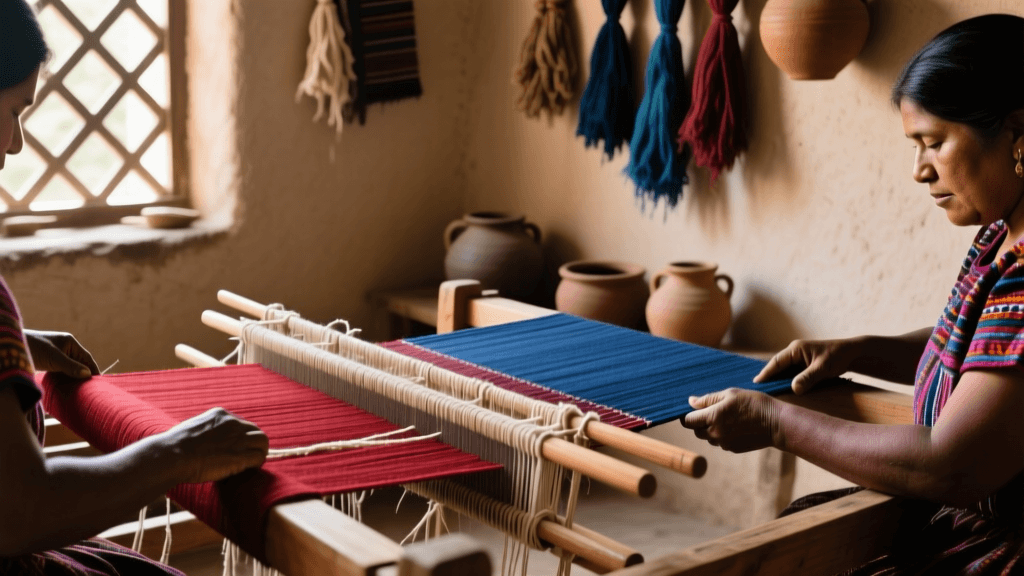
Introduction to Teotitlán del Valle in 2026
The village of Teotitlán del Valle, nestled in the Tlacolula Valley of Oaxaca, Mexico, remains the undisputed epicenter of Zapotec weaving. As we navigate the artisan market in 2026, the distinction between mass-produced, synthetic souvenirs and authentic, culturally significant textiles has never been more critical. For collectors, interior designers, and advocates of Indigenous garment traditions, understanding the nuances of Zapotec textile arts is essential. This guide provides a comprehensive, up-to-date look at sourcing authentic Zapotec wool garments, tapestries, and rugs, with a specific focus on the preservation and identification of natural dye techniques that have been passed down through generations.
The Chemistry of Authentic Natural Dyes
In 2026, the global demand for sustainable, slow-fashion textiles has driven a renaissance in natural dyeing among Oaxacan artisans. While synthetic aniline dyes are still used for cheaper, mass-market exports, the most esteemed cooperatives and master weavers have returned to pre-Columbian and colonial-era botanical and insect dyes. Understanding the source of these colors is the first step in verifying authenticity.
Cochineal Red and Purple
Cochineal (Dactylopius coccus) is a parasitic insect that lives on the nopal cactus. The female insects are harvested, dried, and ground into a fine powder to produce carminic acid. By altering the pH level of the dye bath—adding acidic lime juice to shift the color to bright orange-red, or alkaline wood ash to push it toward deep purple and maroon—artisans achieve a breathtaking spectrum of colors. Authentic cochineal yields rich, complex tones that subtly shift in different lighting, a hallmark of genuine Zapotec craftsmanship.
Wild Indigo Blue
Oaxacan indigo (Indigofera suffruticosa) is cultivated in the coastal regions of the state. The leaves are fermented in water, and the resulting paste is oxidized to create the dye. Because indigo is a vat dye that does not require a mordant to bind to wool, it produces incredibly colorfast blues ranging from pale sky to deep navy. In 2026, authentic indigo-dyed wool commands a premium due to the labor-intensive fermentation process and the limited geographic areas where the plant thrives.
Marigold, Pecan, and Moss
For yellows and golds, weavers utilize the cempasúchil (Mexican tarragon and marigold varieties). Browns and deep earthy tones are achieved by boiling pecan shells, oak bark, and local mosses. These botanical dyes require an alum mordant to bind the color to the raw Churra or Merino wool, ensuring the garments and tapestries resist fading over decades of use.
How to Verify Authenticity: The 2026 Buyer's Checklist
When sourcing Zapotec textiles, whether in the markets of Oaxaca City, directly from village cooperatives, or through international importers, use these actionable verification methods to ensure you are purchasing authentic, naturally dyed wool.
- The Smell Test: Authentic raw and spun wool retains a faint, earthy lanolin scent, especially when slightly damp. Synthetic acrylic blends will smell like petroleum or have no scent at all.
- The Burn Test: If a vendor allows, pull a single fiber from the fringe or back of the textile and burn it. Genuine wool will singe, smell like burning hair, and leave a crushable, powdery ash. Acrylic or polyester will melt into a hard, plastic bead and emit a harsh chemical odor.
- Color Variegation: Natural dyes rarely produce perfectly uniform colors. Look closely at the yarn; you should see slight variations in saturation along the length of a single thread, known as 'abrash.' Synthetic dyes are typically laser-perfect and flat.
- The Warp and Weft Tension: Zapotec weavers use traditional wooden pedal looms introduced by the Spanish in the 16th century. Hand-spun and hand-woven textiles will have minor, organic irregularities in the weave tension, unlike the rigid, mathematically perfect grid of machine-made imitations.
2026 Pricing and Sourcing Comparison Table
Pricing for authentic Zapotec textiles has adjusted in 2026 to reflect the rising costs of raw wool and the intensive labor required for natural dye extraction. Below is a current market comparison to help you budget for authentic pieces versus synthetic alternatives.
| Textile Type | Dimensions | Synthetic Dye (USD) | Natural Dye (USD) | Primary Use |
|---|---|---|---|---|
| Tapete (Small Rug) | 24 x 36 inches | $45 - $70 | $140 - $220 | Floor accent, wall art |
| Zapotec Poncho | Standard Adult | $60 - $90 | $250 - $400 | Outerwear, ceremonial |
| Rebozo (Shawl) | 28 x 72 inches | $35 - $55 | $180 - $300 | Garment, baby carrier |
| Large Sala Rug | 60 x 90 inches | $150 - $250 | $600 - $1,200 | Interior design, heirloom |
Ethical Sourcing and Cooperative Support
In 2026, the most responsible way to source Zapotec textiles is directly from women-led cooperatives or certified fair-trade organizations. Historically, the weaving industry in Teotitlán del Valle was dominated by male workshop owners, while women were relegated to spinning and cleaning wool. Today, cooperatives like Vida Nueva (New Life) have revolutionized the local economy, allowing women to control the entire production process, from shearing the sheep to selling the final garment.
When purchasing internationally, look for vendors who maintain transparent supply chains. Organizations dedicated to artisan advocacy, such as Nest, provide frameworks for ethical sourcing that ensure weavers are paid living wages and that cultural intellectual property is respected. Additionally, verifying that importers are members of recognized ethical trade networks, such as the Fair Trade Federation, guarantees that your investment directly supports the preservation of Indigenous textile arts rather than exploiting middlemen.
Caring for Natural-Dyed Wool Garments
Authentic Zapotec wool garments and textiles are heirloom pieces that can last for generations if cared for properly. Because natural dyes are sensitive to harsh chemicals and extreme heat, modern laundering methods must be avoided.
- Washing: Never machine wash Zapotec wool. If a poncho or rebozo requires cleaning, hand wash it in cold water using a pH-neutral, lanolin-based wool soap. Submerge the garment gently and let it soak for 15 minutes. Do not wring or twist the fibers, as this will cause the wool to felt and shrink.
- Drying: Roll the wet textile in a clean, dry towel to press out excess moisture. Lay it flat on a drying rack away from direct sunlight, which can slowly fade botanical dyes like marigold and cochineal over time.
- Storage: Store wool garments in breathable cotton bags. Avoid plastic bins, which trap moisture and encourage mildew. To protect against moths, place natural cedar blocks or dried lavender sachets in the storage area, avoiding chemical mothballs which will permanently taint the wool with a toxic odor.
By understanding the intricate chemistry of natural dyes, recognizing the hallmarks of hand-loomed wool, and prioritizing ethical cooperatives, collectors and garment enthusiasts can responsibly participate in the ongoing legacy of Zapotec textile arts in 2026 and beyond.