LDS Temple Garments in 2026: Sacred Meaning and Modern Styles
The Sacred Origins and American Roots
For members of The Church of Jesus Christ of Latter-day Saints, the temple garment represents a deeply personal and sacred commitment. Originating in the early 1840s in Nauvoo, Illinois, the practice of wearing sacred underclothing was introduced by Joseph Smith as part of the temple endowment. Rooted deeply in the American religious experience, this tradition has since expanded globally, becoming a defining element of daily life for millions of endowed Latter-day Saints. As we navigate the cultural and practical landscape of 2026, the intersection of religious devotion, modern textile innovation, and modest fashion has never been more dynamic. This comprehensive guide explores the profound religious meaning of LDS temple garments, the current 2026 styles and fabrics available, and practical advice for endowed members seeking to honor their covenants in everyday life across the Americas and beyond.
Theology of the Garment: Covenants and Marks
To understand the cultural significance of the garment, one must first understand its theological purpose. The garment is not, as occasionally misunderstood by those outside the faith, a magical or protective talisman. Rather, it serves as a continuous, physical reminder of the covenants made within the sacred walls of Latter-day Saint temples. When members participate in the endowment ordinance, they make promises to live righteously, follow Jesus Christ, and dedicate their lives to God's service. The garment acts as a spiritual shield, reminding the wearer of these promises in their daily interactions, workplaces, and homes.
The Symbolism of the Marks
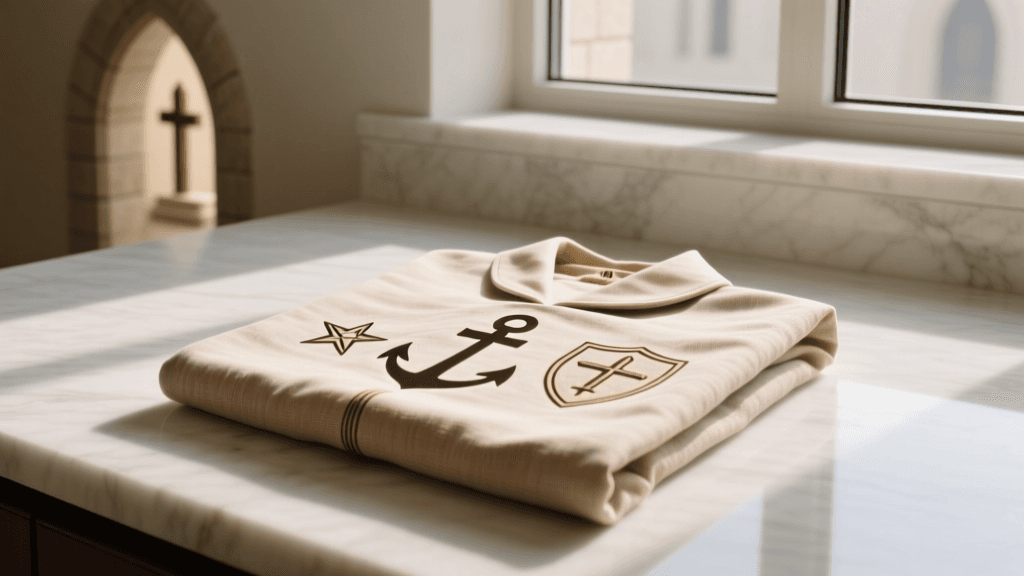
The modern temple garment features specific embroidered marks that carry deep scriptural and symbolic weight. These marks are not merely decorative; they are instructional.
- The Square: Representing honor, integrity, and the moral uprightness expected of a disciple of Christ.
- The Compass: Symbolizing truth, the pursuit of knowledge, and the importance of staying on the correct spiritual path.
During the temple ceremony, members are also taught about the symbolic concepts of the 'navel' and the 'knee,' drawing from scriptural references that emphasize spiritual nourishment and submission to the divine will. While these concepts are not physically embroidered as distinct shapes on the 2026 garments, the physical seams and structure of the garment are designed to remind the wearer of the comprehensive nature of their covenants, encompassing the mind, the heart, and the physical body.
2026 Textile Innovations: Serving a Diverse Hemisphere
The Americas host a vast and diverse population of Latter-day Saints, ranging from the freezing climates of the Canadian prairies and the high altitudes of the Andes to the sweltering humidity of the Amazon basin and the Caribbean. Recognizing this geographical diversity, the Church has continually refined its textile offerings. In 2026, the focus is on inclusive sizing, sustainable manufacturing, and climate-specific fabrics that allow members to wear their garments comfortably year-round without compromising the sacred modesty lines required by the endowment.
Current Fabric Options and Use Cases
Choosing the right fabric is essential for daily comfort and adherence to the commitment to wear the garment continually. Below is a comparison of the primary fabric options available through official distribution channels in 2026.
| Fabric Type | Best Climate / Use Case | Key Features | Care Instructions |
|---|---|---|---|
| Stretch Cotton | Temperate / Everyday Wear | Breathable, durable, retains shape, offers a traditional feel with modern mobility. | Machine wash warm, tumble dry low. |
| Modal Blend | All-Season / Office Wear | Exceptionally soft drape, moisture-absorbent, resists shrinking and fading. | Machine wash cold, hang dry recommended. |
| Lightweight Mesh | Tropical / High Humidity | Maximum airflow, ultra-lightweight, ideal for Indigenous members in equatorial regions. | Machine wash cold, lay flat to dry. |
| Performance Active | Athletics / Manual Labor | Moisture-wicking, anti-microbial properties, four-way stretch for high mobility. | Machine wash cold, tumble dry low. |
These 2026 innovations ensure that whether a member is working on a construction site in Utah, attending university in Mexico City, or participating in traditional Indigenous community gatherings in South America, the garment remains a comfortable and unobtrusive companion.
Navigating Modest Fashion and Outerwear in 2026
The commitment to wear the temple garment directly influences the outerwear choices of endowed members. The garment dictates a standard of modesty that requires clothing to cover the shoulders, the midriff, and the upper thighs. In 2026, the modest fashion industry has matured significantly, with numerous brands specifically designing apparel that accommodates the garment lines without sacrificing contemporary style.
Tips for Building a Garment-Friendly Wardrobe
- Necklines: Look for crew necks, boat necks, and higher scoop necks. Many 2026 modest fashion brands now include 'garment-friendly' tags on their product pages, indicating that the neckline will fully conceal the garment top.
- Sleeves: Cap sleeves that extend to the edge of the shoulder are the minimum requirement. Brands are increasingly offering stylish puff sleeves and structured short sleeves that provide coverage while remaining on-trend.
- Bottoms: For women, skirts and dresses should generally fall to the knee or below to accommodate the garment bottom. High-waisted trousers and wide-leg linen pants have become staples in 2026 for women seeking comfortable, modest coverage in professional environments.
- Activewear: The rise of modest swimwear and athletic wear, such as long-sleeved rash guards and knee-length compression shorts, has made it easier than ever for members to participate in sports and beach culture while honoring their covenants.
Purchasing, Sizing, and Distribution
Temple garments are not sold in standard retail stores; they are considered sacred items and are distributed exclusively through Church-owned distribution centers and the official Church store. To purchase garments, an individual must be an endowed member in good standing, which is verified through an annual temple recommend.
Getting the Right Fit
Proper fit is crucial. A garment that is too tight can cause discomfort and wear out prematurely, while one that is too loose may bunch and cause chafing. In 2026, the Church's online sizing tool utilizes advanced algorithms where members can input their exact measurements (chest, waist, hip, and inseam) to receive a customized size recommendation. For women, the 2026 catalog includes specialized options such as maternity panels, nursing-friendly designs, and varying inseam lengths to accommodate different heights and body types.
Care, Repair, and Retirement Guidelines
Because of their sacred nature, members are taught to treat their garments with respect. However, the Church emphasizes that the garment is a practical, everyday item and does not require superstitious or ritualistic cleaning methods.
Washing and Maintenance
According to the General Handbook, garments should be washed with regular laundry using standard detergents. There is no requirement to wash them separately or to bless them after cleaning. Minor tears or loose seams should be repaired promptly to extend the life of the garment. Members are encouraged to view the care of their garments as an extension of their respect for the covenants they represent.
Retiring Worn-Out Garments
When a garment becomes too worn, stretched out, or stained to be worn respectfully, it must be retired properly. The current 2026 guidelines dictate that members should cut the garment into pieces so that it is no longer recognizable as a sacred item. The embroidered marks should be carefully cut out and destroyed. The remaining fabric can then be disposed of in the regular trash. This process ensures that the sacred symbols are never discarded in a recognizable state, maintaining the reverence associated with the temple ordinances.
Conclusion: A Bridge Between the Sacred and the Secular
The LDS temple garment is a profound expression of faith, weaving the sacred promises of the temple into the very fabric of daily life. As of 2026, the balance between ancient covenants and modern textile science allows members across the Americas and the globe to live their faith authentically and comfortably. Whether navigating the corporate world, engaging in outdoor labor, or participating in vibrant Indigenous cultural celebrations, the garment remains a quiet, constant companion. It is a deeply personal reminder of a commitment to Christ, offering spiritual fortitude in an increasingly complex world. By understanding the rich history, respecting the sacred symbolism, and utilizing the modern resources available, endowed members can continue to honor their covenants with both reverence and practical grace.