LDS Temple Garments 2026: Religious Symbolism and Modern Styles

Introduction to the Sacred Garment
For members of The Church of Jesus Christ of Latter-day Saints, the temple garment is far more than a simple undergarment; it is a profound religious symbol, a personal reminder of sacred covenants, and a spiritual shield. As we move through 2026, the intersection of ancient religious meaning and modern textile innovation has never been more apparent. Today's garments reflect a deep respect for theological tradition while embracing advanced fabric technologies that serve a diverse, global membership. This comprehensive guide explores the cultural significance, religious symbolism, and the latest 2026 fabric adaptations of LDS temple garments, with a special focus on how Indigenous and culturally diverse members across the Americas integrate these sacred items into their daily and ceremonial lives.
The Sacred Origins and Religious Meaning
The practice of wearing sacred garments traces back to the early days of the Latter-day Saint movement in the 1840s. Introduced by the Prophet Joseph Smith in Nauvoo, Illinois, the garment was initially associated with the temple endowment ceremony. According to the Encyclopedia of Mormonism, the garment serves as a tangible reminder of the covenants made within the temple, acting as a 'shield and protection' against the moral and spiritual challenges of the modern world.
Unlike religious vestments worn by clergy in many other faiths, the LDS temple garment is worn by the lay membership. It democratizes the sacred, signifying that every endowed member, regardless of their societal role, holds a personal and direct relationship with the divine. In 2026, this egalitarian aspect of the garment remains a cornerstone of Latter-day Saint identity, uniting millions of members across the Americas and the globe under a shared spiritual commitment.
Decoding the Marks: Symbolism of the Square and Compass
The most visually distinct elements of the temple garment are the embroidered marks, which carry deep allegorical meaning. These marks are not magical talismans, but rather mnemonic devices designed to prompt spiritual reflection. The four primary marks include:
- The Square: Located on the right side, the square represents honor, integrity, and the importance of keeping one's actions and thoughts aligned with moral righteousness.
- The Compass: Positioned on the left side, the compass symbolizes the need to keep one's desires and passions within the bounds set by God, pointing the wearer toward eternal truth.
- The Navel Mark: A small circle or line near the center, representing the concept that the wearer should never sever their connection to the source of spiritual life and divine guidance.
- The Knee Mark: Located near the hem, this mark serves as a reminder of reverence, the importance of prayer, and the eventual bowing of every knee before the divine.
These symbols transform a basic piece of clothing into a wearable catechism. For many members, the physical sensation of the garment against the skin serves as a continuous, tactile anchor to their faith throughout the day.
2026 Fabric Innovations and Global Accessibility
As the Church's membership has expanded into tropical, arid, and highly active environments, the demand for specialized fabrics has grown. In 2026, the Church Distribution Services offers a highly diversified lineup of garments designed to meet the practical needs of modern living without compromising the required modesty and coverage standards outlined in the General Handbook.
Recent innovations include the widespread adoption of bamboo-cotton blends for superior breathability, and advanced moisture-wicking synthetics for members engaged in rigorous physical labor or athletics. Furthermore, the 2026 catalog features expanded size-inclusive options and specialized maternity designs, ensuring that the sacred garment is accessible and comfortable for every body type.
2026 Garment Fabric Comparison Guide
| Fabric Type | Material Composition | Best Use Case / Climate | 2026 Est. Price (USD) |
|---|---|---|---|
| Classic Cotton | 100% Combed Cotton | Temperate climates, everyday office wear | $12.50 - $14.00 |
| Stretch Blend | 95% Cotton, 5% Spandex | Active lifestyles, form-fitting outerwear | $15.00 - $17.00 |
| CoolMax Mesh | Polyester Moisture-Wicking Mesh | High humidity, tropical regions, heavy exertion | $16.50 - $18.50 |
| Bamboo Weave | Bamboo Rayon / Cotton Blend | Sensitive skin, extreme heat, luxury comfort | $19.00 - $22.00 |
Indigenous and Cultural Intersections in the Americas
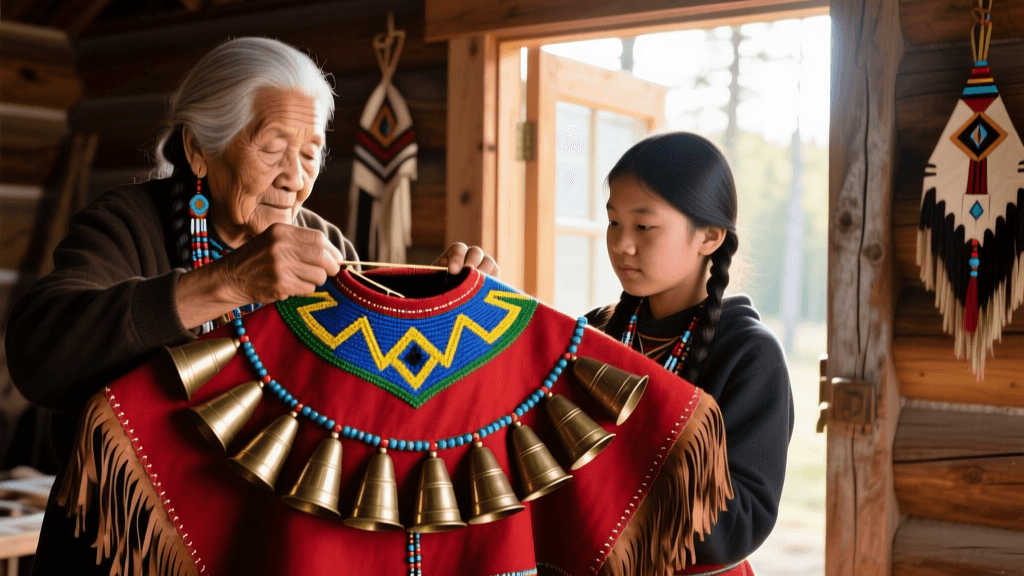
One of the most fascinating aspects of the temple garment in the Americas is how Indigenous Latter-day Saints integrate this sacred clothing with their traditional cultural dress. For Native American and Indigenous Latin American members, traditional regalia is not merely historical costume; it is a living expression of identity, community, and ancestral respect. Balancing the strict modesty requirements of the garment with the specific silhouettes of Indigenous clothing requires thoughtful adaptation.
For example, among the Diné (Navajo) in the American Southwest, traditional men's attire often includes velvet shirts and concho belts, while women may wear velvet blouses with wide, flowing skirts. The 2026 low-profile stretch garments have been widely embraced by Diné members, as they provide the necessary coverage without creating visible bunching beneath the heavy, draped velvet. Similarly, for Maya women in Guatemala and Southern Mexico, the traditional huipil often features intricate, wide-neck embroidery. The recent introduction of garments with slightly modified, reinforced scoop-necks allows Indigenous women to wear their ancestral huipiles proudly while maintaining the sacred coverage required by their religious covenants.
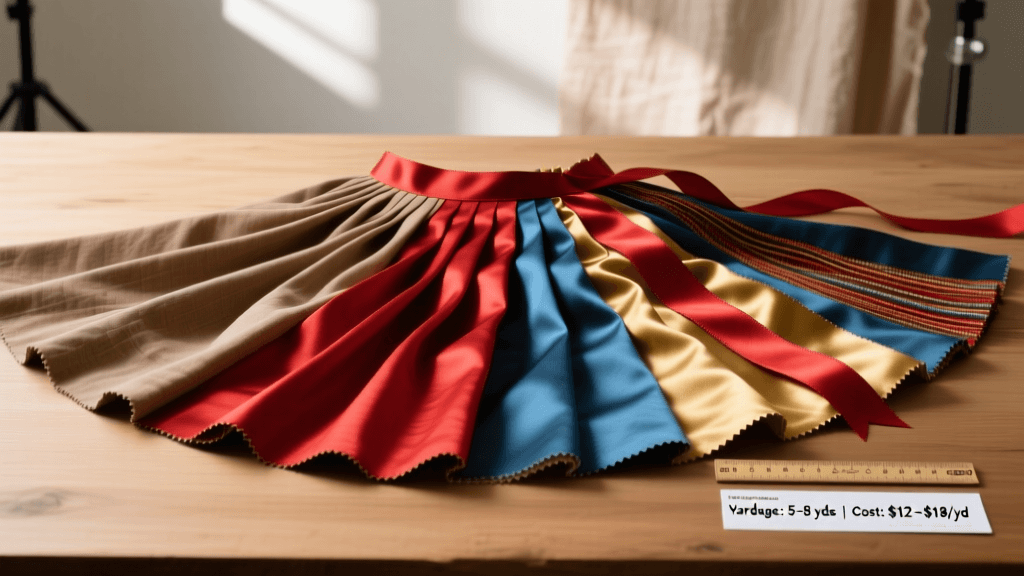
'Wearing the garment beneath my traditional ribbon skirt during the powwow and community gatherings is my way of honoring both my ancestors and my Heavenly Father. They are not competing identities; they are woven together.' — A Latter-day Saint member of the Ojibwe Nation, 2026.
This synthesis of Indigenous heritage and Latter-day Saint theology highlights the garment's role not as a cultural eraser, but as a deeply personal spiritual foundation that supports diverse cultural expressions across the Americas.
Practical Guide to Purchasing and Caring for Garments in 2026
For endowed members looking to purchase or replace their garments in 2026, the process is highly streamlined through the Church's online Distribution portal. Members can log in with their Church account, verify their endowed status, and access the full global catalog.
Measuring and Sizing
Proper fit is essential for both comfort and the preservation of the garment's integrity. The 2026 sizing charts recommend measuring the chest, waist, and hips using a soft tailor's tape. For those between sizes, the Church's textile guidelines suggest sizing up for woven cotton to prevent shrinkage, while the stretch and mesh fabrics offer a more forgiving, true-to-size fit.
Care and Longevity
To maintain the structural integrity of the embroidered marks and the elasticity of modern blends, members are advised to wash garments in cold water with mild detergent. The 2026 bamboo and mesh blends should be air-dried or tumble-dried on low heat to prevent the degradation of moisture-wicking fibers. When a garment becomes worn, torn, or stretched beyond repair, the religious protocol requires members to carefully cut out and destroy the embroidered marks before discarding the remaining fabric, ensuring the sacred symbols are never treated as common refuse.
Conclusion
As of 2026, the LDS temple garment remains a vital, living tradition for millions of Latter-day Saints. It bridges the historical origins of the faith with the practical realities of a modern, globalized, and culturally diverse membership. Whether worn beneath a business suit in New York, a traditional huipil in Guatemala, or a velvet shirt in the Navajo Nation, the garment continues to serve its primary purpose: a quiet, constant, and sacred reminder of the covenants that bind the wearer to the divine.