NYC vs LA Garment Districts: 2026 Sourcing Guide
The State of American Fashion Hubs in 2026
As we navigate the fashion landscape in 2026, the American garment industry has undergone a massive renaissance. Driven by a demand for localized supply chains, sustainable manufacturing, and a renewed appreciation for heritage craftsmanship, the historic fashion hubs of the United States are more vital than ever. For independent designers, emerging brands, and cultural preservationists, understanding the distinct ecosystems of the New York City Garment District and the Los Angeles Fashion District is critical. This guide breaks down the nuances of sourcing textiles, navigating manufacturing minimums, and ethically integrating Indigenous and traditional Latin American textiles into contemporary American fashion.
The New York Garment District: Heritage and High-End Craftsmanship
Spanning roughly from 34th to 42nd Streets between Fifth and Ninth Avenues, the Manhattan Garment District remains the beating heart of American high fashion. In 2026, the district has successfully balanced its historic legacy with modern sustainability mandates. According to the Save the Garment Center initiative, recent zoning protections and city-backed grants have stabilized the number of local manufacturers, ensuring that cut-and-sew operations remain in the borough.
Navigating Manhattan's Textile Showrooms
New York is unparalleled for high-end wools, silks, and technical outerwear fabrics. Showrooms like B&J Fabrics and Spandex House continue to dominate, but 2026 has seen a surge in specialized deadstock vendors catering to eco-conscious designers. When sourcing here, expect to deal with higher price points but exceptional quality control. The district is also home to premier pleating, embroidery, and leather-working artisans who cater to luxury runway collections.
2026 Manufacturing Minimums and Costs
Production in NYC is premium. In 2026, the average minimum order quantity (MOQ) for cut-and-sew services in Manhattan ranges from 50 to 300 units per style, depending on the complexity of the garment. Hourly rates for skilled sample makers often exceed $45 to $60 per hour. Designers come to NYC not for mass production, but for sampling, high-end capsule collections, and Made-in-USA luxury branding.
The Los Angeles Fashion District: Scale, Sustainability, and Streetwear
Encompassing over 110 blocks in downtown Los Angeles, the LA Fashion District is a sprawling, vibrant maze of jobbers, wholesalers, and manufacturers. As highlighted by the California Fashion Association, LA has cemented its status as the global capital of denim, streetwear, and activewear, while simultaneously leading the charge in nearshoring and sustainable textile recycling.
Sourcing Eco-Friendly and Deadstock Fabrics
Los Angeles is the premier destination for cottons, fleece, denim, and jersey knits. In 2026, the district's jobbers are heavily stocked with eco-friendly blends, including organic Pima cotton, hemp-cotton mixes, and recycled polyesters. The 'Jobber Row' area on 9th Street is a treasure trove for deadstock fabrics, allowing designers to purchase small lots (sometimes as little as one roll) of high-quality, leftover mill fabrics at a fraction of the original cost.
Cut-and-Sew vs. Full Package Production
Unlike NYC, LA excels in 'Full Package' production, where factories handle everything from pattern grading and sourcing to sewing and finishing. MOQs in LA are generally more flexible for basic garments, often starting at 100 to 150 units for simple tees and hoodies, scaling up to thousands for established brands. The infrastructure for denim laundering and specialized knitwear is deeply embedded in the local economy.
Integrating Indigenous and Traditional American Textiles
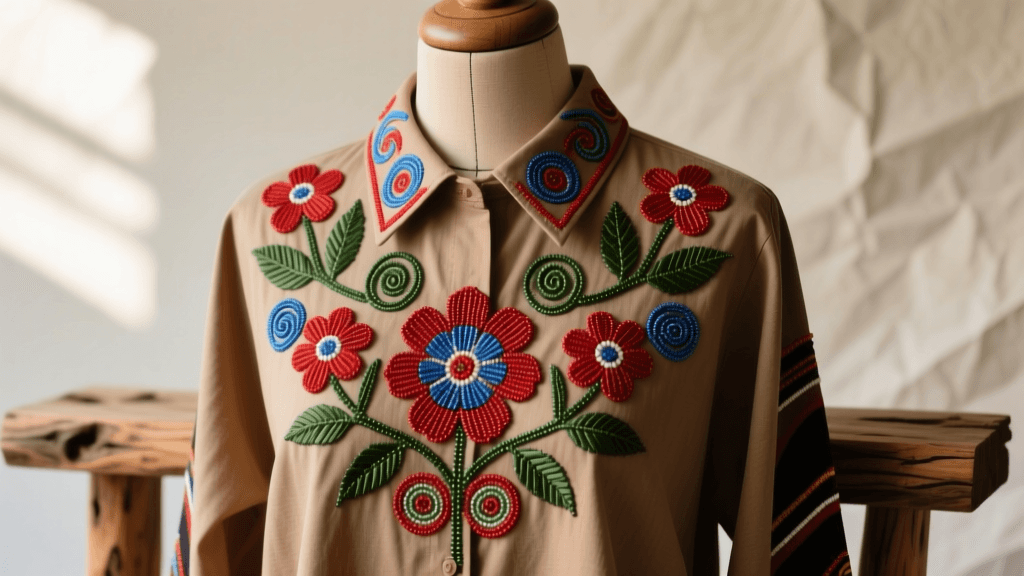
A crucial aspect of the 2026 American fashion narrative is the ethical integration of Indigenous and Latin American textile traditions. Both NYC and LA serve as vital conduits for these heritage materials, but designers must approach sourcing with deep cultural respect and legal awareness.
Sourcing Native American Wools and Weaves
In NYC, luxury designers frequently source authentic Navajo-Churro wool and Pendleton-trade-blanket-inspired wovens for outerwear and heavy knitwear. However, ethical sourcing requires direct partnerships with tribal cooperatives in the Southwest rather than purchasing mass-produced imitations. In 2026, the Indian Arts and Crafts Act remains strictly enforced, making it illegal to market any art or craft product in a way that falsely suggests it is Indian-produced. Designers must ensure their supply chains are transparent, partnering directly with Native-owned mills and weavers, and properly compensating artisans for their traditional knowledge.
Latin American Textile Importers in LA
Los Angeles, given its geographic and cultural proximity to Latin America, is the ultimate hub for traditional Mesoamerican and South American textiles. Importers in the LA Fashion District specialize in authentic Oaxacan cotton (manta), Guatemalan ikat (jaspe), and Mexican rebozo weaves. In 2026, ethical fashion brands use LA-based importers who operate on fair-trade models, ensuring that indigenous weaving cooperatives in Mexico and Central America receive equitable wages and that traditional motifs are not culturally appropriated without permission or profit-sharing.
NYC vs LA: 2026 Sourcing Comparison Chart
| Feature | NYC Garment District | LA Fashion District |
|---|---|---|
| Primary Specialties | Silks, wools, tailoring, luxury outerwear, leather | Denim, streetwear, activewear, cotton knits, fleece |
| Average Cut & Sew MOQs | 50 - 300 units (High-end, complex) | 100 - 500 units (Basics, scalable) |
| Best For | Luxury sampling, capsule collections, intricate embellishments | Full-package production, denim, high-volume basics |
| Traditional Textile Access | High-end Native American wools, luxury imports | Latin American cottons, ikats, fair-trade cooperatives |
| District Vibe | Fast-paced, appointment-heavy, vertical showrooms | Sprawling, walk-in friendly, street-level jobbers |
| Transit & Logistics | Penn Station / Port Authority subway access | LA Metro A Line (Pico or Fashion Institute station) |
Practical Sourcing Advice for 2026
Whether you are booking a flight to JFK or LAX, preparation is the key to a successful sourcing trip. The fashion industry has modernized, but the tactile nature of fabric buying still requires an in-person approach. Here are actionable steps for your next sourcing trip:
- Prepare a Digital and Physical Tech Pack: While most factories in 2026 use cloud-based PLM (Product Lifecycle Management) software, always bring physical swatches, sketches, and a printed tech pack. Showroom managers appreciate designers who speak the technical language of grainlines, GSM (grams per square meter), and stitch types.
- Understand the 'Memo' System: Never buy fabric off the roll immediately. Ask for a 'memo' (a free sample swatch, usually 3x4 inches) to test for shrinkage, colorfastness, and drape before committing to a roll or a cut.
- Verify Ethical Certifications: If you are sourcing organic cottons or traditional Indigenous textiles, ask to see the physical certificates (such as GOTS or Fair Trade certifications) and verify the supplier's direct relationship with the artisan cooperatives.
- Timing Your Visit: Avoid market weeks if you are a beginner looking for personalized help, as showrooms will be packed with major buyers. Mid-week, mid-month (Tuesday through Thursday) is generally the best time to secure one-on-one time with textile representatives.
- Budget for Shipping and Duties: If you are an international designer sourcing in the US, factor in 2026 freight rates. Many NYC and LA jobbers offer drop-shipping directly to your factory or studio, which saves you the hassle of hauling heavy fabric rolls through city streets.
Conclusion: Choosing Your Hub
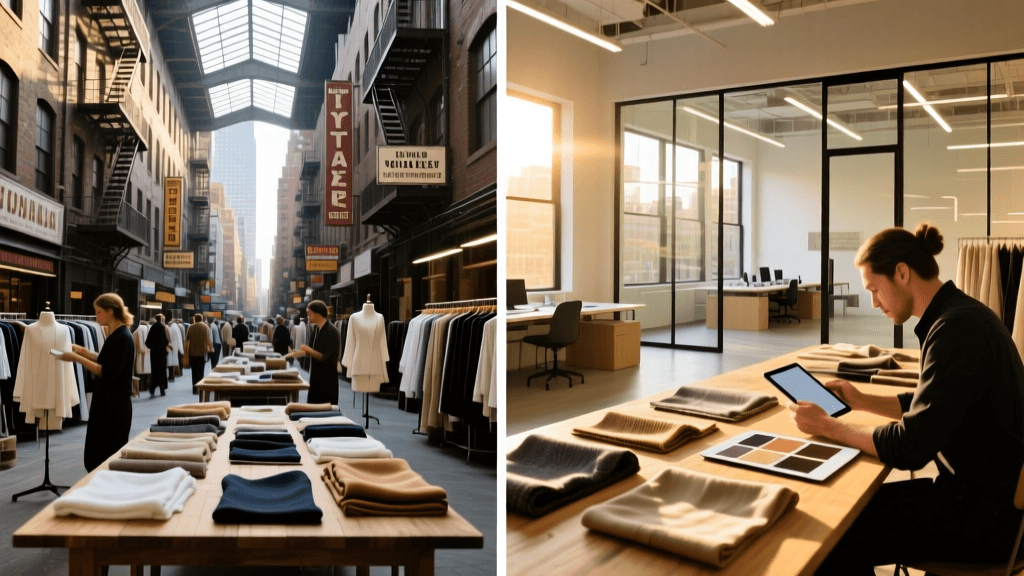
The choice between New York and Los Angeles ultimately depends on your brand's identity, price point, and design philosophy. If your 2026 collection relies on intricate tailoring, luxury silks, and high-end sample making, the vertical density of the NYC Garment District is unmatched. Conversely, if your brand focuses on scalable streetwear, sustainable denim, or integrating vibrant Latin American textiles via fair-trade importers, the sprawling energy of the LA Fashion District will serve you best. By respecting the heritage of American manufacturing and the Indigenous roots of our most cherished textiles, designers can build supply chains that are not only profitable but profoundly meaningful.