Northwest Coast Button Blankets: A 2026 Sourcing Guide
The Resurgence of Northwest Coast Regalia in 2026
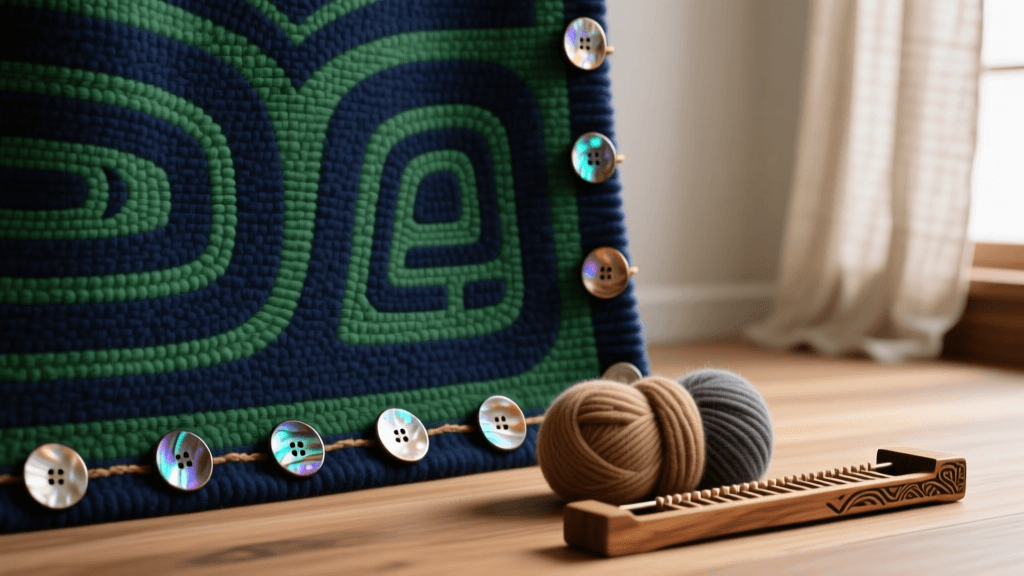
The button blanket, often referred to as a dance robe, stands as one of the most visually striking and culturally significant garments in Indigenous North American dress traditions. Originating in the 19th century as a brilliant adaptation of European trade goods—specifically wool blankets and glass buttons—into traditional ceremonial wear, the button blanket has evolved into a sacred garment. Today, in 2026, there is a profound resurgence in the creation and wearing of these robes at potlatches, graduations, and cultural gatherings across the Pacific Northwest. However, creating an authentic button blanket requires more than just sewing skills; it demands a deep understanding of regional tribal styles, sustainable material sourcing, and strict adherence to cultural protocols.
For contemporary Indigenous artists, dancers, and community members, navigating the 2026 textile market presents unique challenges and opportunities. Supply chain shifts, new marine conservation regulations affecting shell harvesting, and a growing movement toward eco-friendly, Indigenous-owned textile cooperatives have changed how artisans source their materials. This comprehensive guide explores the regional variations of Northwest Coast button blankets and provides actionable, up-to-date sourcing advice for the modern regalia maker.
Regional Variations: Northern vs. Southern Styles
The Northwest Coast culture area spans from southeastern Alaska down through British Columbia and into Washington State. While the button blanket is recognized across this vast region, distinct tribal aesthetics and construction methods differentiate the garments.
Northern Northwest Coast (Tlingit, Haida, Tsimshian)
In the northern regions, button blankets are deeply tied to the formline art system—a highly structured, flowing design language characterized by ovoids, U-shapes, and crescents. Northern robes typically feature a large, central crest figure (such as Raven, Eagle, Wolf, or Bear) flanked by symmetrical or asymmetrical secondary crests. The color palette is traditionally restricted to navy blue or black Melton wool for the background, with striking red flannel or broadcloth appliqué for the formline design. In 2026, Northern artists are increasingly incorporating intricate beadwork and dentalium shell accents alongside traditional abalone buttons to denote the high status of the wearer.
Central and Southern Coast (Kwakwaka'wakw, Nuu-chah-nulth, Coast Salish)
Moving south, the Kwakwaka'wakw and Nuu-chah-nulth peoples utilize a more representational and sometimes highly colorful approach to crest depiction. Central Coast blankets may feature a broader spectrum of appliqué colors, including greens, yellows, and whites, and often incorporate elaborate fringe and trade beadwork. Coast Salish button blankets, while sharing the basic construction of the wool-and-button robe, often integrate traditional Salish weaving motifs or feature more abstract, geometric representations of local spirits and ancestors. The placement of buttons in these southern traditions is sometimes used to outline the entire garment, creating a shimmering, kinetic effect during dance performances.
Sourcing Authentic Materials in 2026
The foundation of a high-quality button blanket lies in its materials. In 2026, artisans are prioritizing sustainability, durability, and ethical sourcing, moving away from cheap synthetic imports that degrade quickly and fail to honor the sacred nature of the garment.
Melton Wool: The Foundation of the Blanket
Melton wool is a dense, heavily felted fabric that resists fraying and provides the heavy, dramatic drape required for dance regalia. Historically, Hudson's Bay Company point blankets were used, but today, specialized Melton wool is the standard. In 2026, the market has seen a shift toward 100% sustainable wool mills located in the Pacific Northwest and Canada, reducing reliance on overseas synthetic blends. When sourcing Melton wool, look for a weight between 24 and 32 ounces per linear yard. A 32oz wool provides the best structure for heavy button application and ensures the blanket does not tear under the weight of hundreds of shells. Expect to pay between $45 and $65 per yard for premium, ethically milled 100% wool Melton in 2026.
Abalone and Shell Buttons
The iridescent flash of abalone shell is the defining visual element of the button blanket. However, due to strict 2026 marine conservation laws protecting wild abalone populations (such as the Northern abalone, Haliotis kamtschatkana
Appliqué Fabrics and Bias Tape
For the crest appliqué, heavy cotton flannel or wool broadcloth remains the material of choice. These fabrics grip the Melton wool well and prevent puckering during the sewing process. In 2026, many artists are using pre-dyed, colorfast wool-blend broadcloths from specialized Indigenous textile cooperatives, which support local economies and ensure the reds and blacks will not bleed when the garment is exposed to the damp coastal climate. Satin or cotton bias tape is frequently used to outline the crest designs, providing a crisp, clean edge that hides raw fabric margins.
2026 Material Sourcing and Cost Comparison
The following table outlines the current market rates and recommended sourcing strategies for the primary materials needed to construct a traditional button blanket in 2026.
| Material | 2026 Average Cost | Recommended Sourcing Type | Durability & Notes |
|---|---|---|---|
| Heavyweight Melton Wool (32oz) | $45 - $65 per yard | Pacific NW Eco-Mills & Co-ops | Highly durable, resists fraying, ideal for heavy dance regalia. |
| Wool Broadcloth (Appliqué) | $28 - $40 per yard | Indigenous Textile Collectives | Colorfast, grips base wool well, prevents puckering during stitching. |
| Sustainable Paua/Abalone Shell | $35 - $80 per gross | Certified Aquaculture Suppliers | Brilliant iridescence; ensure ethical sourcing to protect wild stocks. |
| Mother-of-Pearl Buttons | $20 - $45 per gross | Specialty Button Importers | Excellent, cost-effective alternative to abalone with high durability. |
| Heavy-Duty Upholstery Thread | $8 - $12 per spool | Industrial Sewing Suppliers | Bonded nylon or poly-core; essential for securing heavy shell buttons. |
Pattern Drafting and Appliqué Techniques
Drafting a formline crest requires a deep understanding of traditional proportions. In 2026, while some artists use digital vector software to scale and print their patterns, the actual transfer to fabric is still largely done by hand using tailor's chalk or washable fabric markers. The appliqué process involves cutting the crest from the red broadcloth and pinning it to the navy or black Melton base.
Traditionalists often prefer a hidden appliqué stitch or a meticulous hand-sewn blanket stitch using heavy waxed thread, which adds a tactile, historical dimension to the robe. However, for community-wide dance groups requiring multiple blankets, modern artisans frequently utilize a tight, narrow machine zig-zag or satin stitch to secure the edges. When outlining with bias tape, a walking foot on a heavy-duty sewing machine is essential to prevent the thick layers of wool from shifting. Regardless of the method, the structural integrity of the appliqué must be flawless to withstand the vigorous movements of traditional potlatch dances.
Cultural Protocols: Crests, Clans, and Wearing Rights
The most critical aspect of creating or acquiring a button blanket is understanding cultural protocols. In Northwest Coast societies, crests are not merely decorative; they are intellectual property, historical records, and sacred emblems of lineage. Among the Tlingit, Haida, and Tsimshian, crests belong to specific clans (such as the Raven or Eagle moieties) and individual houses. A blanket featuring a specific crest is considered at.óow—a sacred, owned object that embodies the spiritual and historical weight of the clan.
It is a severe breach of protocol to create, wear, or sell a button blanket featuring a crest that does not belong to you or your family. In 2026, Indigenous communities are actively protecting their cultural intellectual property. Organizations like the Sealaska Heritage Institute provide extensive resources and guidelines on cultural appropriation, emphasizing that non-Native individuals and commercial fashion brands must not replicate or sell formline crests or button blankets. If you are an Indigenous person seeking to create a robe, you must consult with your clan leaders or elders to verify your right to display specific crests and to ensure the design accurately reflects your family's oral history.
Supporting Indigenous Artisans and Archival Research
For those researching historical construction techniques or seeking inspiration from ancestral garments, museum archives remain invaluable. The Smithsonian National Museum of the American Indian and the Burke Museum of Natural History and Culture at the University of Washington house extensive collections of 19th and 20th-century button blankets. In 2026, these institutions have expanded their digital access, allowing Indigenous artists to study the precise stitch lengths, button placements, and fabric layering techniques used by their ancestors.
Furthermore, when purchasing finished garments or commissioning a robe, it is imperative to buy directly from Indigenous artists or Native-owned galleries. The contemporary Northwest Coast art market is vibrant, and supporting these artisans ensures the economic and cultural sustainability of the practice. Look for artists who are transparent about their lineage, their teachers, and the specific protocols they follow when bringing a new robe into the world.
Caring for and Storing Sacred Regalia
A button blanket is a living garment that accumulates history and spiritual power every time it is danced. Proper care is essential to preserve both the physical materials and the cultural integrity of the robe. In 2026, conservation experts recommend storing button blankets flat or loosely rolled in acid-free tissue paper within cedar boxes. Cedar naturally repels moths and insects without the use of harsh chemical mothballs, which can degrade the iridescent nacre of abalone and Paua shells over time. If the blanket becomes damp from rain or sweat during a dance, it must be aired out completely in a shaded, well-ventilated area before storage to prevent the Melton wool from developing mildew.
Conclusion
The Northwest Coast button blanket is a testament to Indigenous resilience, adaptability, and artistic brilliance. As we navigate the textile landscape of 2026, the commitment to sourcing sustainable, high-quality materials ensures that these garments will endure for future generations. By respecting regional variations, mastering traditional and contemporary construction techniques, and, above all, honoring the strict cultural protocols surrounding crest ownership, today's artisans continue to breathe life into one of the most magnificent dress traditions in the Americas.