Custom Powwow Ribbon Shirts: Sourcing & Sewing Guide 2026
The Cultural Resonance of the Ribbon Shirt
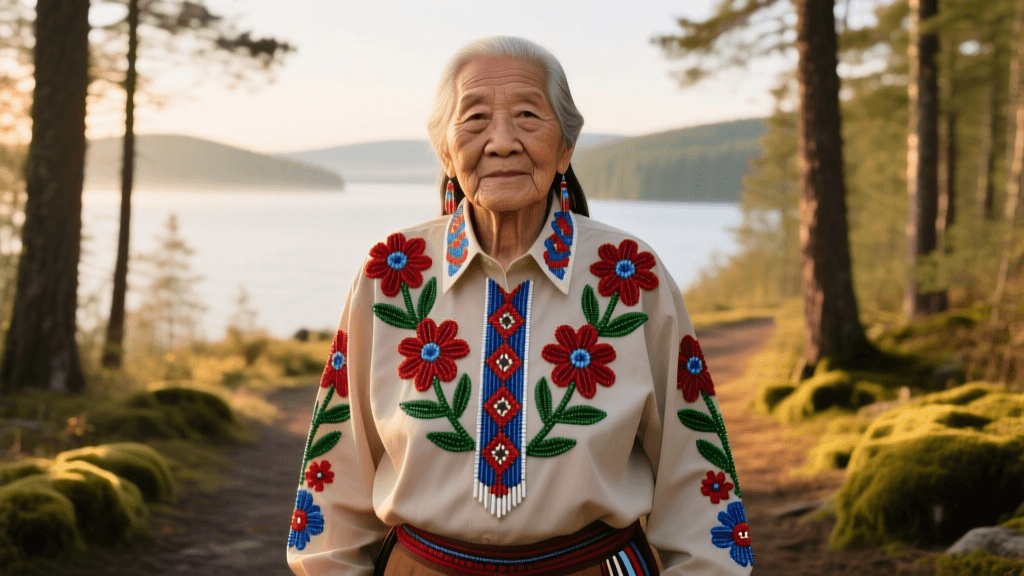
The Native American ribbon shirt has evolved from a historical trade-cloth adaptation into a profound symbol of Indigenous identity, resilience, and artistic expression. As we navigate the 2026 powwow circuit, from the massive arenas of the Gathering of Nations to intimate regional celebrations, the ribbon shirt remains a staple of both traditional regalia and contemporary Native fashion. Unlike standard casual wear, a ribbon shirt is considered sacred regalia. It carries the medicine, prayers, and personal history of its wearer. According to cultural archives maintained by the Smithsonian National Museum of the American Indian, the integration of European trade goods like silk ribbons and cotton broadcloth into Indigenous dress represents a powerful narrative of adaptation and cultural continuity.
For Indigenous makers, artisans, and allies looking to construct authentic, high-quality ribbon shirts in 2026, understanding the nuances of material sourcing, pattern drafting, and cultural protocol is essential. This comprehensive guide provides actionable steps, precise measurements, and sourcing strategies to create a garment that honors tradition while meeting the rigorous demands of the modern powwow trail.
Sourcing Premium Materials for the 2026 Season
The longevity and drape of a ribbon shirt depend entirely on the quality of its foundational fabrics and appliqué ribbons. In 2026, the textile market has seen a shift away from cheap, single-faced acetate ribbons that fray and lose their luster after a single season. Today's premier regalia makers prioritize double-faced polyester satin and high-grade grosgrain, which withstand heavy movement, sweat, and frequent travel. When sourcing materials, it is highly recommended to support Native-owned bead and fabric supply shops, which often carry specialized colors and widths that big-box craft stores lack.
2026 Material Requirements & Sourcing Guide
| Material | Recommended Specification | Estimated 2026 Cost | Quantity Needed (Men's Large) |
|---|---|---|---|
| Base Fabric | 100% Cotton Broadcloth or Calico (Pre-washed) | $12.00 - $18.00 / yard | 3.5 Yards |
| Yoke Interfacing | Heavyweight Fusible Woven Interfacing | $8.00 / yard | 1.5 Yards |
| Primary Ribbons | Double-Faced Satin, 1-inch to 1.5-inch width | $4.50 - $7.00 / yard | 15 Yards per color |
| Accent Ribbons | Grosgrain or Metallic Braid, 0.5-inch width | $3.00 - $5.00 / yard | 5 Yards per color |
| Thread | Tex 40 or Tex 60 Polyester (Heavy Duty) | $6.00 / spool | 2 Spools (Matching base) |
| Closures | Traditional German Silver Buttons or Snaps | $15.00 - $25.00 / set | 1 Set (5-7 buttons) |
Drafting the Pattern: Measurements and Fit
While historical ribbon shirts featured a boxy, drop-shoulder silhouette designed to fit universally, the 2026 powwow fashion landscape embraces a more tailored approach. Many contemporary dancers prefer a slightly tapered waist and higher armholes to prevent the shirt from catching on bustles or restricting arm movement during Fancy Dance or Grass Dance routines. However, the traditional drop-shoulder yoke remains the defining architectural feature of the garment.
Standard Measurements (Men's Large / Women's Medium Equivalent)
- Chest/Bust: 42-44 inches (Add 4 inches for ease of movement)
- Shoulder Drop: 6 to 8 inches down from the natural shoulder seam
- Sleeve Length: 24 inches (Measured from the dropped shoulder seam to the wrist)
- Total Shirt Length: 30 to 32 inches (From the base of the neck to the mid-fly)
- Yoke Depth: 10 to 12 inches (Front and back)
When cutting your broadcloth, always pre-wash and dry the fabric on high heat to eliminate future shrinkage. Broadcloth is notorious for shrinking up to 10% after its first wash, which can distort the meticulously aligned ribbon appliqué if not pre-treated.
Constructing the Ribbon Yoke: Step-by-Step
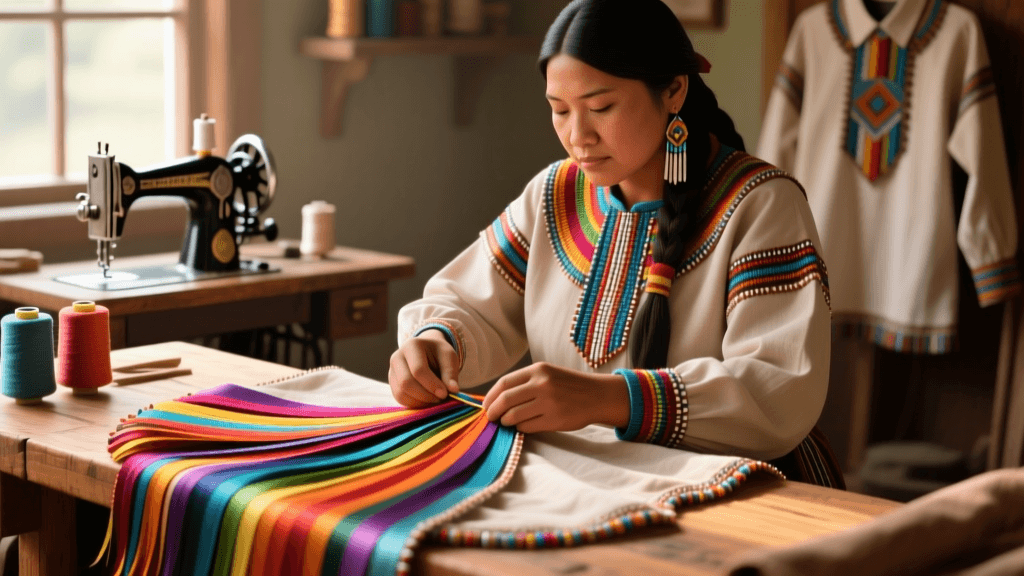
The yoke is the canvas of the ribbon shirt. It spans the chest, shoulders, and upper back. To ensure the ribbons lay flat and do not pucker during the sewing process, you must stabilize the base fabric.
- Apply Interfacing: Cut your heavyweight fusible interfacing to match the exact dimensions of your front and back yoke panels. Fuse it to the wrong side of the broadcloth using a steam iron. This creates a rigid foundation that supports the weight of multiple ribbon layers.
- Map the Design: Use a water-soluble fabric marker to draw horizontal guidelines across the yoke. Traditional designs feature parallel horizontal bands, while contemporary 2026 designs often incorporate geometric step-patterns, diamond motifs, or asymmetrical color blocking.
- Layering the Ribbons: Begin at the bottom edge of the yoke and work your way up to the neckline. Pin the bottom edge of the first ribbon to your guideline. Fold the raw edges of the ribbon under by 1/4 inch at the side seams to prevent fraying.
- Topstitching: Sew along both the top and bottom edges of each ribbon. When overlapping subsequent ribbons, ensure a consistent 1/8 inch gap or overlap, depending on your desired visual density.
For deeper insights into the regional variations of ribbon work and appliqué techniques, the Heard Museum in Phoenix, Arizona, offers extensive digital and physical archives showcasing how different tribal nations have adapted ribbon aesthetics to reflect their unique environments and histories.
Sewing Machine Calibration for Regalia
Sewing through multiple layers of broadcloth, interfacing, and synthetic ribbons requires specific machine adjustments. Standard domestic sewing machines can struggle with the bulk of a completed yoke, leading to skipped stitches or broken needles.
- Needle Selection: Use a Denim/Jeans needle (Size 110/18) or a Topstitch needle (Size 90/14). The elongated eye and sharp point are crucial for piercing synthetic ribbons without shredding the thread.
- Tension Adjustment: Increase your top thread tension slightly (usually to a 5 or 6 on a standard dial) to ensure the heavy polyester thread locks cleanly in the middle of the fabric layers.
- Presser Foot: Utilize a Teflon (non-stick) foot or a walking foot. Satin ribbons can easily slip or bunch under a standard metal presser foot, ruining the symmetry of your design. A walking foot feeds the top and bottom layers evenly.
- Stitch Length: Set your stitch length to 3.0mm or 3.5mm. A shorter stitch will perforate the ribbon like a postage stamp, causing it to tear under the stress of dance movements.
Color Theory, Symbolism, and Personal Medicine
Color selection in regalia is rarely arbitrary. In many Indigenous cultures, colors represent the Four Directions, clan affiliations, or personal medicine. For example, red, yellow, black, and white are deeply significant across numerous Plains and Woodland tribes, representing the cardinal directions and the balance of life. In 2026, there is a growing movement among younger Native designers to blend these traditional palettes with high-contrast neon accents or metallic ribbons, reflecting a dynamic, evolving cultural identity that honors the past while asserting a vibrant presence in the modern world.
When designing a shirt for a specific dancer, it is customary to consult with them about their clan colors or the specific medicine they wish to carry onto the dance floor. The Library of Congress Native American Heritage collections provide valuable historical context on how trade bead and ribbon colors were historically negotiated and integrated into tribal-specific ceremonial dress.
Regalia Care and Cultural Protocol
A completed ribbon shirt is not merely an article of clothing; it is a living extension of the dancer's spirit. Proper care and adherence to cultural protocol are paramount.
- Never Step Over Regalia: In almost all Native American traditions, stepping over or dropping regalia on the floor is considered deeply disrespectful to the garment's spirit. If a garment is dropped, it often requires a specific cleansing ceremony or prayer before it can be worn again.
- Storage: Store the shirt on a wide, padded wooden hanger to maintain the structure of the drop shoulders. Keep it in a breathable cotton garment bag, away from direct sunlight, which will bleach the vibrant satin ribbons over time.
- Cleansing: Avoid harsh chemical dry cleaning, which can melt synthetic ribbons. Spot clean with a damp cloth and mild detergent. Many dancers also smudge their regalia with cedar, sage, or sweetgrass before and after the powwow season to cleanse the garment of negative energy absorbed in crowded arenas.
Conclusion
Constructing a custom powwow ribbon shirt in 2026 is an act of cultural preservation, artistic innovation, and profound respect. By sourcing high-quality materials, mastering the technical aspects of heavy-duty sewing, and honoring the spiritual protocols of regalia, makers contribute to the living, breathing legacy of Indigenous fashion. Whether you are sewing for a seasoned Grass Dancer or creating a contemporary piece for everyday Indigenous pride, the ribbon shirt remains a powerful testament to the enduring beauty of Native American culture.