Crafting Jingle Dress Regalia in 2026: Materials & Dance Guide
The Origins and Healing Power of the Jingle Dress
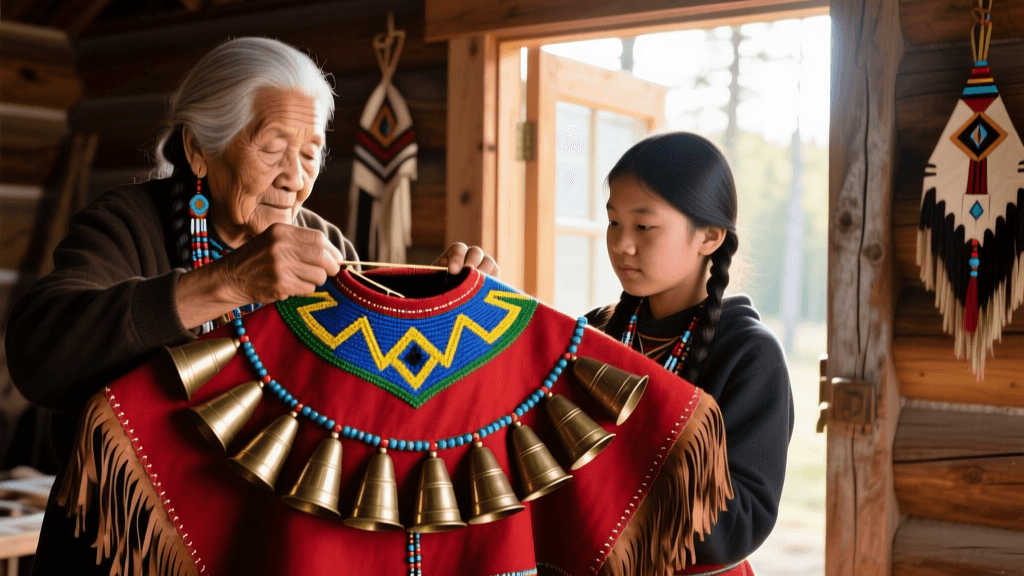
The Jingle Dress dance is one of the most visually captivating and auditorily mesmerizing traditions found on the modern powwow circuit. Originating from the Ojibwe (Anishinaabe) people in the early 20th century, the dress and its accompanying dance were born from a vision of healing. According to oral histories widely documented by institutions like the Minnesota Historical Society, the dress was revealed to a medicine man in a dream as a way to heal his ailing granddaughter. When the dress was crafted and the girl danced in it, she was restored to health. Today, the Jingle Dress is widely recognized across Indian Country as a healing dress, carrying profound spiritual medicine.
As we navigate the 2026 powwow season, the Jingle Dress remains a powerful symbol of resilience, cultural continuity, and Indigenous women's strength. Whether you are a seasoned regalia maker or an emerging artist looking to understand the intricate construction of this sacred garment, mastering the materials, techniques, and protocols of the Jingle Dress is essential. This comprehensive guide will walk you through the modern realities of sourcing materials, the step-by-step construction process, and the cultural etiquette surrounding this beautiful regalia.
Sourcing Materials for Your 2026 Regalia Build
Creating a jingle dress requires a careful balance of traditional aesthetics and practical durability. The dress must withstand the rigorous movement of the dance while maintaining its structural integrity and producing the signature sound—often described as 'rain falling on a tin roof.' Here is a breakdown of the primary materials you will need to source in 2026.
1. Base Fabrics
The foundation of the dress dictates its weight, drape, and longevity. While historical dresses were often made from heavy wools or cottons, contemporary makers have a wider array of options. Wool broadcloth remains the gold standard for traditional 'Old Style' dresses due to its heavy drape, which keeps the cones from tangling and provides a majestic silhouette. However, in 2026, high-quality wool broadcloth can cost between $35 and $55 per yard. For youth dancers or those competing in the contemporary categories during the hot summer powwow months, cotton broadcloth or poly-satin blends are highly recommended for their breathability and fluid movement.
2. The Jingles (Cones)
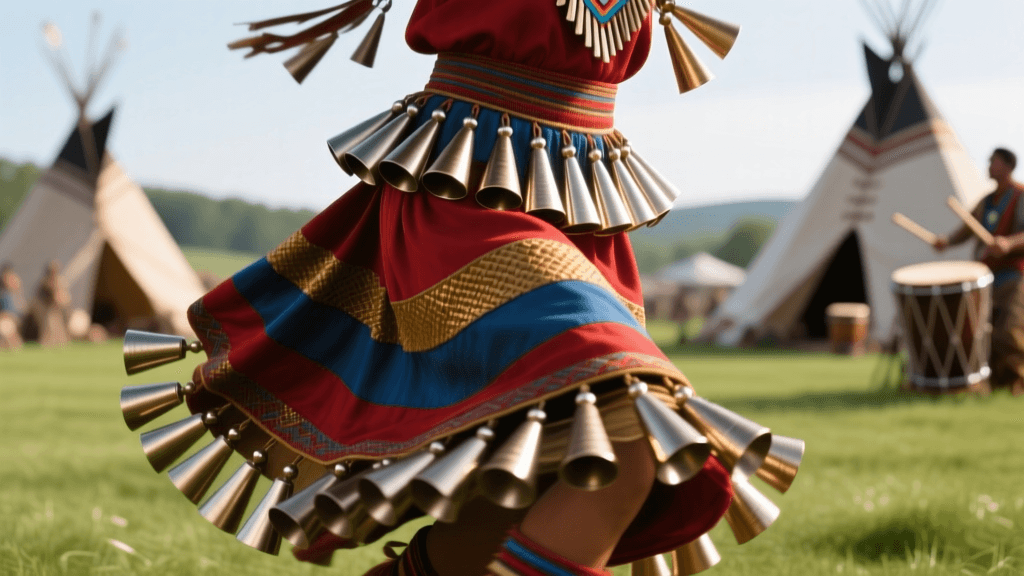
The metal cones are the heartbeat of the regalia. Traditionally, a healing dress featured exactly 365 jingles, representing one for each day of the year. Modern competition dresses may feature anywhere from 100 to 250 cones to reduce weight while maintaining the acoustic impact. In 2026, stamped brass cones and rolled tin cones are the most popular. Rolled tin produces a sharper, louder 'clack,' while brass offers a deeper, more resonant tone. Expect to pay approximately $45 to $80 per gross (144 pieces) for high-quality, pre-rolled cones from specialized Native-owned regalia supply shops.
3. Notions and Applique
Ribbon applique is a hallmark of Woodlands and Great Lakes regalia. You will need high-quality double-faced satin ribbons (usually 1-inch and 2-inch widths) for the geometric patterns that adorn the yoke, hem, and sleeves. Additionally, you must invest in heavy-duty upholstery thread or waxed sinew. Standard cotton thread will snap under the dynamic weight of the metal cones during the dance.
Material Comparison Chart for 2026
| Material Type | 2026 Avg Cost/Yard | Weight and Drape | Best Use Case |
|---|---|---|---|
| Wool Broadcloth | $35 - $55 | Heavy, structured, matte finish | Traditional / Old Style Healing Dance |
| Cotton Broadcloth | $12 - $18 | Medium, breathable, crisp | Youth Dancers, Everyday Powwow Wear |
| Poly-Satin Blend | $8 - $14 | Light, fluid, high sheen | Contemporary Competition, Hot Weather |
| Crushed Velvet | $20 - $30 | Medium-heavy, soft, luxurious | Special Exhibition, Honor Dances |
Step-by-Step Construction Guide
Constructing a jingle dress is a labor of love that requires patience, precise measuring, and a deep respect for the garment's purpose. Below is a streamlined overview of the construction process.
Step 1: Pattern Drafting and Cutting
The traditional jingle dress silhouette is essentially a modified shift dress or a drop-waist design with wide, flowing sleeves. The skirt must be wide enough at the hem to allow for the lateral movement of the 'sidestep' in contemporary dancing, or the gentle bouncing of the traditional step. Cut your base fabric with generous seam allowances. Reinforce the yoke and the upper back with a lightweight interfacing; this area will bear significant stress from the weight of the upper-row jingles and the dancer's movements.
Step 2: Ribbon Applique
Before attaching any hardware, complete your ribbon applique. Great Lakes geometric patterns often feature stepped diamonds, zig-zags, and floral motifs. Pin your ribbons meticulously and use a tight zigzag stitch or a straight stitch close to the edge to secure them. Many master seamstresses in 2026 utilize computerized embroidery machines to pre-stabilize complex applique designs before sewing them onto the delicate base fabrics, ensuring zero puckering.
Step 3: Attaching the Jingles
This is the most time-consuming phase. The jingles are typically attached in horizontal rows across the bodice, sleeves, and skirt.
- Spacing: Cones should be spaced about 1.5 to 2 inches apart within a row, and rows should be staggered so the cones do not clump together.
- Attachment: Thread a heavy needle with waxed upholstery thread. Pass the thread through the hole at the top of the cone, then through the fabric, and secure with a double knot or a small leather washer on the inside of the dress to prevent the thread from tearing through the fabric over time.
- The Hemline: The bottom two rows of the skirt usually feature the highest concentration of jingles to maximize the sound during footwork.
Dance Styles, Footwork, and Powwow Protocol
Understanding how the dress moves is just as important as knowing how to build it. The Smithsonian National Museum of the American Indian frequently highlights the diversity of Indigenous dance forms, noting that the Jingle Dress dance has evolved into two distinct styles on the modern powwow circuit.
Old Style (Traditional)
The Old Style dance is deeply rooted in the dress's healing origins. The footwork is grounded, gentle, and deliberate. Dancers keep one foot on the ground at all times, executing a rhythmic bouncing motion that moves the cones up and down, creating a continuous, soothing 'rain' sound. The dancer's posture is modest, and the focus is entirely on prayer, healing, and the spiritual connection to the earth.
Contemporary Style
Contemporary Jingle Dress dancing is highly athletic and competitive. It features the 'sidestep,' rapid footwork, and intricate spinning. The dress is often cut with more gussets and pleats to accommodate the dramatic flaring of the skirt during spins. The sound produced is louder, sharper, and syncopated with the heavy beats of the drum group.
Crucial Regalia Protocol
It is imperative to remember that Native American regalia is never referred to as a 'costume.' It is a sacred expression of identity, spirituality, and community.
- Never Step Over Regalia: If a jingle dress is laid out on a blanket or chair, never step over it. This is considered highly disrespectful to the medicine it carries.
- Do Not Touch Without Permission: Always ask the dancer or the maker before touching the dress or the cones.
- Fallen Jingles: If a jingle falls off during a dance, it is often left on the ground or picked up by an elder, as it is believed to have absorbed negative energy or completed its healing work for that moment.
Caring for and Storing Your Regalia in 2026
Proper maintenance ensures your regalia lasts for generations. The metal cones are susceptible to moisture and humidity. After a long weekend at a powwow, especially if it rained or the dancer sweated heavily, hang the dress in a well-ventilated, climate-controlled room to dry completely. Never fold a jingle dress for long-term storage, as this will crease the base fabric, bend the ribbons, and cause the metal cones to crush one another. Instead, use a padded hanger and store the dress inside a breathable cotton garment bag. Periodically, use a soft, dry microfiber cloth to polish the brass or tin cones, maintaining their acoustic brilliance and visual shine.
By honoring the traditional techniques while utilizing the best materials available in 2026, you contribute to the ongoing legacy of the Ojibwe Jingle Dress. Whether created for healing, competition, or cultural celebration, the dress remains a profound testament to the enduring spirit of Indigenous peoples across the Americas.