Oaxacan Huipil Buying Guide 2026: Types, Costs & Weaving Techniques
The Oaxacan Huipil in 2026: A Living Textile Tradition
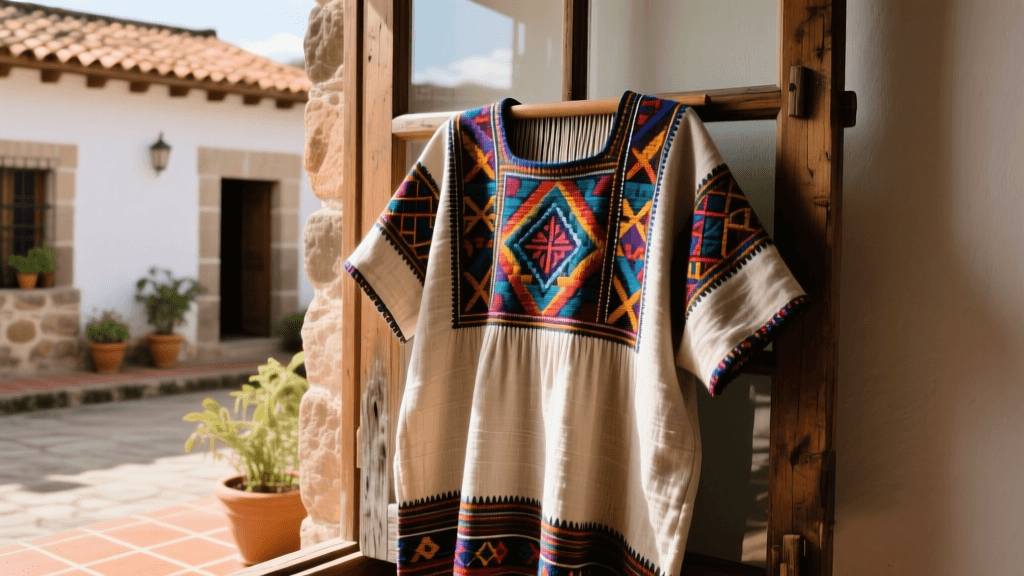
The Oaxacan huipil is far more than a garment; it is a profound expression of Indigenous identity, cosmology, and ancestral memory. As we navigate the ethical fashion landscape in 2026, the demand for authentic, handwoven Latin American traditional garments has surged. However, this popularity brings challenges. The rise of direct-to-consumer digital platforms has empowered many artisan cooperatives to bypass predatory middlemen, yet it has also flooded the market with mass-produced, machine-embroidered imitations. For collectors, cultural enthusiasts, and conscious consumers, understanding the intricate techniques, regional variations, and true costs of these textiles is essential. This comprehensive 2026 buying guide will equip you with the knowledge to identify authentic Oaxacan huipiles, understand their construction, and source them ethically while ensuring fair compensation for the Indigenous women who keep this ancient art form alive.
Understanding the Weaving Techniques
Tela de Telar (The Backstrap Loom)
The foundation of the authentic Oaxacan huipil is the tela de telar, or backstrap loom. This pre-Columbian technology relies on the weaver's body to create the tension necessary for the warp threads. One end of the loom is tied to a sturdy post or tree, while the other is secured around the weaver's lower back via a belt called a mecapal. By leaning forward or backward, the artisan controls the tension with microscopic precision. According to the Textile Museum of Canada, the backstrap loom allows for an intimacy between the creator and the textile that foot-treadle looms simply cannot replicate. The resulting fabric is dense, durable, and possesses a distinct, slightly ribbed texture that is a hallmark of true handwoven cotton.
Brocado vs. Bordado: A Crucial Distinction
When shopping for a huipil in 2026, you must understand the difference between brocado (brocade) and bordado (embroidery). Machine-made knockoffs often feature embroidery, which is stitched onto the surface of a pre-woven fabric. True traditional Oaxacan huipiles utilize the brocade technique, specifically supplementary weft weaving. In this method, the artisan introduces additional colored threads during the weaving process itself, building the intricate geometric, floral, or zoomorphic motifs directly into the structure of the cloth. The design is reversible or nearly reversible, and the colored threads are structurally integrated. Brocade is exponentially more time-consuming, often requiring the weaver to count individual warp threads to create complex diamond and star patterns.
Natural Dyes: The Colors of the Earth
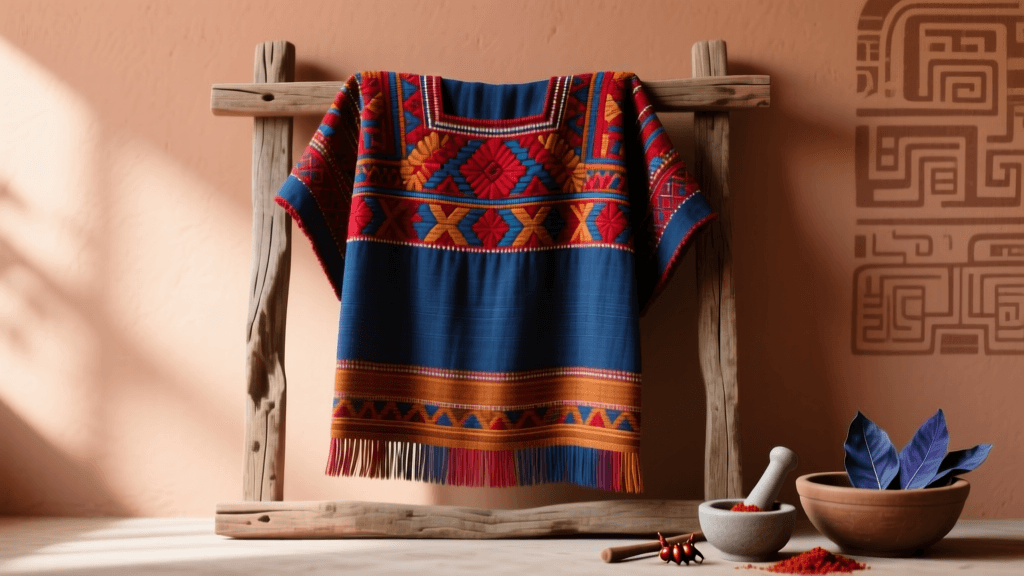
In 2026, the revival of natural dyeing processes has become a major marker of quality and cultural preservation. While synthetic aniline dyes are common in commercial textiles, master weavers continue to utilize ancestral botanical and insect-based dyes:
- Cochineal (Grana Cochinilla): A parasitic insect native to the nopal cactus, dried and ground to produce vibrant crimsons, purples, and deep oranges. The pH of the dye bath is altered with lime juice or wood ash to shift the color spectrum.
- Añil (Indigo): Derived from the leaves of the Indigofera suffruticosa plant, this dye requires a complex fermentation process to yield rich, colorfast blues ranging from pale sky to deep navy.
- Caracol Púrpura: The rarest and most sacred dye, extracted from the milk of the Plicopurpura pansa sea snail found on the Oaxacan coast. Due to strict environmental protections in 2026, this dye is used almost exclusively by Mixtec artisans for highly specific ceremonial garments.
Regional Variations and 2026 Pricing Chart
Oaxaca is home to 16 distinct Indigenous groups, and the huipil styles vary dramatically from village to village. The motifs, color palettes, and weave densities are deeply localized. Below is a comparison chart detailing prominent weaving regions, their signature styles, and the expected market pricing for authentic, backstrap-loom brocade huipiles in 2026.
| Region | Primary Motifs & Colors | Weave Technique | Production Time | 2026 Avg. Ethical Price (USD) |
|---|---|---|---|---|
| San Bartolo Yautepec | Geometric animals, vibrant magenta and purple on white cotton | Heavy Brocade | 4-6 months | $550 - $900 |
| Santa María Tlahuitoltepec | Floral and avian motifs, red and black on white or natural brown cotton | Supplementary Weft | 3-5 months | $400 - $750 |
| San Juan Cotzocón | Diamonds, stars, and frogs; earth tones and deep reds | Complex Brocade | 5-7 months | $600 - $1,100 |
| Santo Domingo Tehuantepec | Oversized floral chains, velvet appliqués, black and crimson | Chain Stitch / Velvet | 2-4 months | $300 - $600 |
Note: Prices reflect direct-from-cooperative or verified fair-trade retail pricing. Bargains significantly below these ranges often indicate machine-embroidered imports or exploitative labor practices.
Actionable Buying Guide: Sizing and Measurements
Unlike Western tailored clothing, the huipil is constructed from rectangular panels called lienzos. It is not cut to fit the body; rather, it drapes elegantly, allowing for versatile styling. When purchasing a huipil online or in person, you must pay attention to the panel count and overall dimensions.
- Two-Panel Huipiles: Typically measure 24 to 28 inches in width. These are lighter, often intended for daily wear or warmer climates, and can be worn as blouses tucked into skirts or jeans.
- Three-Panel Huipiles: Spanning 36 to 45 inches in width, these are grand, ceremonial garments. They drape over the arms, creating a cape-like silhouette. They are often worn over a simple slip dress or a traditional enredo (wrap skirt).
- Length: Standard lengths range from 28 inches (cropped at the waist) to 50 inches (falling below the knee). Always ask the seller for the exact flat-lay measurements, as shrinkage can occur if the cotton was not pre-washed by the artisan.
- The Neckline: Traditional huipiles feature a simple slit or a gathered drawstring neckline. Avoid garments with rigid, Western-style collars or zipper closures, as these indicate commercial alteration rather than traditional construction.
Ethical Sourcing and Artisan Compensation
The most critical aspect of buying Latin American traditional garments in 2026 is ensuring ethical compensation. Organizations like Cultural Survival have long documented the economic marginalization of Indigenous weavers. To understand ethical pricing, consider the labor math: if an artisan spends four months weaving a single three-panel huipil, working six hours a day, she has invested roughly 720 hours of intense, physically demanding labor. Purchasing that garment for $150 equates to paying her $0.20 per hour—far below any ethical baseline.
When sourcing, look for transparency. Reputable galleries, cooperatives, and digital platforms aligned with the World Fair Trade Organization will explicitly state the name of the weaver, her village, and the percentage of the sale that goes directly to her. Avoid vendors who use vague terms like 'Mexican-inspired' or 'boho-chic.' Instead, seek out sellers who provide the specific terminology of the region, the type of cotton used (such as algodón coyuche, a naturally brown native cotton), and the name of the artisan. Buying directly from Oaxacan weaving cooperatives or verified fair-trade importers ensures your investment sustains the community and incentivizes the next generation to learn the backstrap loom.
Caring for Your Handwoven Garment
A true handwoven huipil is an heirloom piece that can last for generations if cared for properly. The dense cotton and natural dyes require specific maintenance to preserve their structural integrity and color vibrancy.
- Washing: Never machine wash a brocade huipil. Hand wash the garment in cold water, not exceeding 85°F (29°C). Use a pH-neutral textile detergent like Synthrapol or a mild, unscented baby shampoo. Harsh alkaline detergents will strip the natural oils from the cotton and cause cochineal dyes to bleed or shift color.
- Drying: Never wring or twist the fabric, as this can distort the warp threads and ruin the geometric alignment of the brocade. Gently press the water out between two clean towels and lay the garment flat to dry in a shaded, well-ventilated area. Direct sunlight will rapidly fade natural indigo and cochineal dyes.
- Storage: Store your huipil flat or loosely rolled in acid-free tissue paper. Hanging a heavy, three-panel huipil on a wire or wooden hanger for extended periods will cause the shoulder seams to stretch and the heavy brocade threads to pull against the warp, leading to irreversible structural damage.
By understanding the profound technical skill, cultural significance, and time required to create these masterpieces, you can build a collection that honors the Indigenous women of Oaxaca. In 2026, conscious consumerism is the most powerful tool we have to protect and celebrate the living heritage of the Americas.