Authentic Oaxacan Huipil Buying Guide & Natural Dyes 2026
The Enduring Legacy of the Oaxacan Huipil
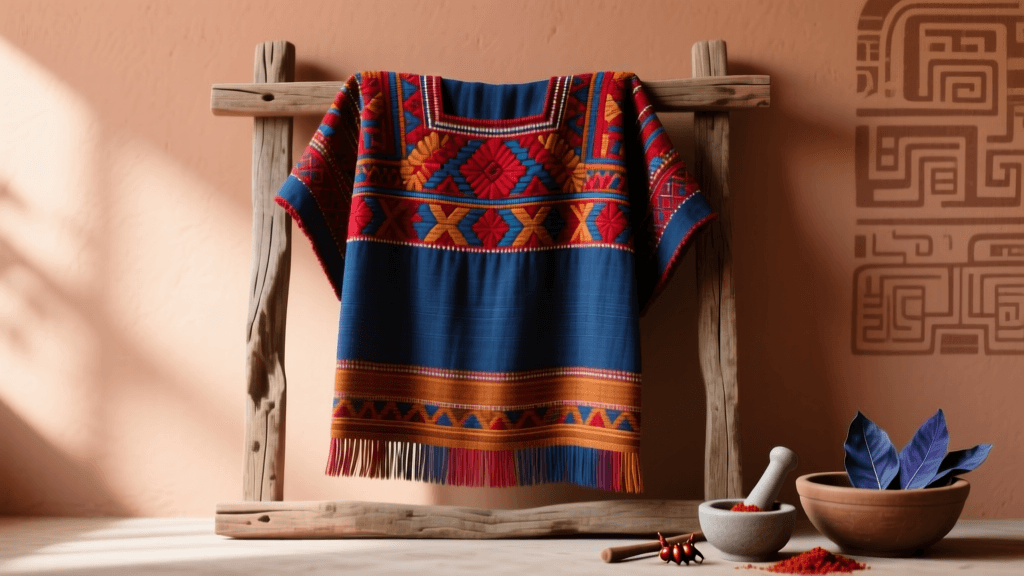
The huipil (pronounced wee-peel) is far more than a simple garment; it is a wearable manuscript of Indigenous Mesoamerican history. Originating from the Nahuatl word huipilli, this traditional tunic-like dress has been worn by Indigenous women across Mexico and Central America for centuries. In the southern Mexican state of Oaxaca, the huipil serves as a profound marker of identity, with specific weaving patterns, colors, and motifs denoting the wearer’s exact village, marital status, and social standing. According to Encyclopedia Britannica's overview of the huipil, the garment's structure has remained remarkably consistent since pre-Columbian times, consisting of one to three webs of hand-woven fabric joined together, leaving openings for the head and arms.
For collectors, cultural enthusiasts, and ethical fashion consumers in 2026, acquiring an authentic Oaxacan huipil is an investment in living history. However, the modern textile market is flooded with machine-made imitations and culturally appropriated designs. This comprehensive guide will help you navigate the 2026 market, identify genuine natural dyes, understand the symbolism of Zapotec and Mixtec motifs, and ensure your purchase directly supports the artisan communities that keep these ancient traditions alive.
The 2026 Market Landscape: Artisan vs. Mass-Produced
As of 2026, the global demand for "artisan-wash" and "boho-chic" fashion has led to a surge in mass-produced textiles that mimic the look of traditional Oaxacan weaving. Fast-fashion conglomerates often use digital printing or power looms to replicate intricate brocade patterns, selling them for a fraction of the cost of a genuine piece. To the untrained eye, these knockoffs can appear convincing, but they lack the structural integrity, cultural soul, and economic benefit to the weaver.
When shopping for an authentic huipil in 2026, understanding the pricing hierarchy is crucial. A genuine, hand-woven huipil is priced based on the complexity of the weave, the materials used, and the time invested. A simple, everyday huipil woven on a pedal loom with commercial cotton and synthetic dyes typically starts around $120 to $180 USD. However, a ceremonial huipil woven on a traditional backstrap loom, utilizing hand-spun cotton and natural dyes, can easily command prices between $800 and $2,500 USD. The time investment for a master weaver to complete a single, highly complex ceremonial huipil can range from four to eight months of daily labor.
Decoding Natural Dyes: Cochineal, Indigo, and Flora
One of the most definitive markers of a high-quality, authentic Oaxacan textile is the use of natural dyes. The revival of pre-Hispanic dyeing techniques has been a major focus for Zapotec weaving cooperatives over the last decade, and by 2026, natural dye mastery is a highly sought-after skill. Synthetic aniline dyes, introduced in the late 19th century, offer harsh, uniform colors that can bleed and fade ungracefully. Natural dyes, conversely, possess a living, variegated depth that ages beautifully.
Cochineal (Grana Cochinilla)
The most famous of all Oaxacan dyes is cochineal, a vibrant red pigment derived from the Dactylopius coccus insect that lives on the nopal cactus. As detailed in Britannica's detailed entry on cochineal, this dye was so valuable in the colonial era that it was considered second only to silver in export value. By manipulating the pH levels with natural mordants like lime juice (acidic) or wood ash (alkaline), artisans can extract a stunning spectrum of colors ranging from bright crimson and deep magenta to soft lavender and dark purple.
Indigo (Añil)
Natural indigo, derived from the leaves of the Indigofera suffruticosa plant, requires a complex fermentation vat process. The yarn is dipped repeatedly into the oxygen-deprived vat, emerging yellow-green before oxidizing in the air to reveal a rich, colorfast blue. True natural indigo will never rub off on your skin once properly set, unlike cheap synthetic blue dyes.
Other Regional Flora
Master dyers also utilize marigold flowers (cempasúchil) for brilliant yellows and oranges, pecan shells for deep browns, and the bark of the huisache tree for warm blacks and greys.
| Dye Source | Color Profile | Mordant Used | Fading Characteristic |
|---|---|---|---|
| Cochineal (Insect) | Crimson, Magenta, Purple | Alum, Lime Juice, Wood Ash | Fades gracefully to soft rose over decades |
| Indigo (Plant) | Deep Navy, Sky Blue | None required (Vat dye) | Highly colorfast, softens slightly with wash |
| Marigold (Flower) | Golden Yellow, Orange | Alum | Susceptible to sun-fading; requires shade drying |
| Pecan Shell (Nut) | Warm Brown, Tan | Iron or Alum | Extremely stable, deepens with age |
| Huisache Bark (Tree) | Charcoal, Warm Black | Iron | Very colorfast, may shift to dark brown |
Motif Symbolism in Zapotec and Mixtec Textiles
An authentic huipil is a visual language. The motifs woven into the fabric using a supplementary weft technique (brocade) are not merely decorative; they are deeply symbolic representations of the local cosmology, environment, and history. When examining a piece in 2026, look for these traditional motifs:
- The Diamond (El Rombo): Representing the universe, the four cardinal directions, and the cycle of the sun. It is often placed centrally on the chest or back.
- The Double-Headed Eagle: A post-colonial motif adopted from the Spanish Habsburg coat of arms, reinterpreted by Indigenous weavers to represent dualities (earth/sky, life/death).
- Frogs and Toads: Symbols of rain, fertility, and the changing of the agricultural seasons. You will frequently see these along the hems of garments from weaving villages in the Valley of Oaxaca.
- The Tree of Life: Representing ancestral roots, community growth, and the connection between the underworld, the earthly plane, and the heavens.
How to Verify Authenticity and Fair Trade in 2026
With the rise of sophisticated imitations, verifying the authenticity of an Oaxacan huipil requires a tactile and investigative approach. First, examine the reverse side of the fabric. In a genuine hand-woven brocade, the supplementary weft threads are carried across the back, meaning the pattern will be visible (though in negative colors) on the reverse. If the back is completely blank and the design is only on the front, it is likely machine-embroidered or digitally printed.
Second, assess the selvedge edges. Backstrap loom weavers create a continuous warp, meaning the top and bottom edges of the fabric will often feature a seamless, tightly woven finish that cannot be replicated by standard power looms without cutting and hemming.
Finally, prioritize ethical purchasing channels. In 2026, the most reputable way to acquire these textiles is directly from artisan cooperatives or verified ethical retailers. Look for certifications or partnerships with organizations like the Fair Trade Federation, which ensure that weavers receive a living wage, work in safe conditions, and retain the intellectual property rights to their cultural designs. Avoid vendors who cannot name the specific village (such as Teotitlán del Valle, San Juan Colorado, or Santo Tomás Jalieza) or the individual artisan who crafted the piece.
Caring for Your Backstrap Loom Textile
A genuine, naturally dyed huipil is an heirloom piece that, with proper care, will outlive its original owner. The care requirements for hand-spun cotton and natural dyes are vastly different from those of modern commercial garments.
Washing Instructions
Never machine wash or dry clean a naturally dyed huipil. Dry cleaning chemicals can strip natural mordants and alter the pH of cochineal, turning vibrant reds into dull oranges. Instead, hand wash the garment in cold water using a pH-neutral, undyed soap (such as baby shampoo or specialized textile wash). Gently agitate the water with your hands, but do not rub, wring, or twist the fabric, as this can distort the tension of the hand-woven threads. Rinse thoroughly in cold water until the water runs clear.
Drying and Storage Best Practices
Never hang a wet huipil, as the weight of the water will stretch the cotton fibers and ruin the garment's structural drape. Lay the piece flat on a clean, dry towel, roll the towel up to gently press out excess moisture, and then lay it flat on a drying rack in a shaded, well-ventilated area. Direct sunlight is the enemy of natural dyes, particularly marigold and cochineal, and will cause rapid photodegradation.
For long-term storage, avoid wire hangers or folding the garment along the same crease lines repeatedly, which can cause the cotton fibers to break over time. The archival standard for storing hand-woven textiles is to roll them around an acid-free cardboard tube, interleaved with unbleached muslin or acid-free tissue paper, and store them in a cool, dark, and dry environment. By respecting the material and the immense labor woven into every thread, you ensure that the legacy of Oaxacan textile arts continues to thrive for generations to come.