Jingle Dress Regalia 2026: Fabric, Metal Cones, and Powwow Rules
The Spiritual and Historical Roots of the Jingle Dress
The jingle dress, often referred to as a healing dress, is one of the most profoundly significant garments in Native American traditional clothing and regalia. Originating from the Ojibwe (Anishinaabe) people, the dress and its accompanying dance are deeply tied to spiritual medicine, healing, and community resilience. According to oral histories documented by institutions like the Ojibwe People's Dictionary, the jingle dress was revealed in a vision to a medicine man whose daughter was gravely ill. The vision provided specific instructions on how to construct the dress, the materials to use, and the steps of the dance. Upon its creation and the performance of the dance, the daughter was healed.
While some historical accounts link the widespread adoption of the jingle dress to the 1918 influenza pandemic as a means of spiritual survival and communal healing, Indigenous scholars emphasize that the dress is a timeless vessel of Anishinaabe medicine. Today, as we navigate the 2026 powwow season, the jingle dress remains a powerful symbol of Indigenous sovereignty, wellness, and cultural continuity. It is not a costume; it is sacred regalia that demands the utmost respect both in its creation and its public presentation.
Sourcing Materials for Your 2026 Regalia
Constructing a jingle dress requires a careful balance of aesthetic beauty, structural integrity, and acoustic resonance. The primary challenge for regalia makers in 2026 is sourcing fabrics that can support the immense weight of hundreds of metal cones without stretching, tearing, or losing their shape over time.
Choosing the Right Base Fabric
In recent years, the shift toward sustainable and high-durability textiles has changed how artisans approach regalia making. For a traditional adult-sized jingle dress, you will need a sturdy base fabric. Cotton broadcloth remains the gold standard, but in 2026, many makers are opting for heavy-weight ribbed knits or reinforced cotton-poly blends that offer a 5.5 to 6.0 oz per square yard weight. These fabrics provide the necessary drape while resisting the downward pull of the metal cones.
- Base Fabric Yardage: An average adult dress requires 5 to 7 yards of 45-inch-wide fabric for the main body and sleeves.
- Applique Fabric: You will need an additional 2 to 3 yards of contrasting fabric for the ribbon work and applique patterns, which typically feature geometric or floral motifs.
- Reinforcement: Because the skirt bears the majority of the weight, you must purchase 10 to 15 yards of 1-inch wide grosgrain ribbon or twill tape to reinforce the interior seams and hemlines.
The Metal Cones: Sizing, Sound, and Cost
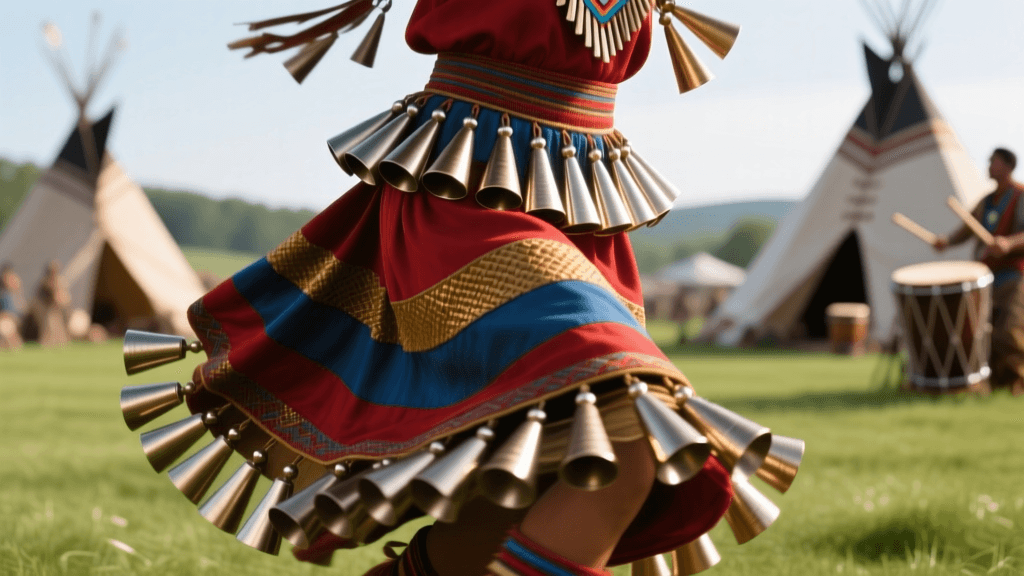
The defining feature of the jingle dress is the metal cones, known as miigwan or jingles, which create the signature sound of rain or a rushing river when the dancer moves. The sound is considered the healing element of the dance, washing over the audience and the arena. Sourcing high-quality cones in 2026 requires an understanding of metallurgy and acoustic profiles.
Traditionally, cones were rolled by hand from tin or copper. Today, while hand-rolled cones are still prized for their deep resonance, machine-stamped cones are widely used for their uniformity. Below is a comparison chart to help you select the right cones for your 2026 regalia project.
2026 Metal Cone Comparison Chart
| Cone Type | Material | Sound Profile | 2026 Avg. Cost (per 100) | Durability & Notes |
|---|---|---|---|---|
| Traditional Stamped | Tin/Steel Alloy | Sharp, bright chime | $45 - $60 | Highly durable; resists denting; standard for most powwow dancers. |
| Rolled Copper | Pure Copper | Deep, resonant tone | $110 - $140 | Medium durability; develops a natural patina; heavier than steel. |
| Aluminum | Lightweight Alloy | Soft, muted clink | $30 - $45 | Low durability; dents easily; best for youth dresses to reduce weight. |
Note: Fluctuations in global copper and steel markets have impacted 2026 pricing. It is highly recommended to purchase cones in bulk directly from Indigenous metalworkers and suppliers on reservations rather than through third-party craft retailers to ensure authenticity and support the Native economy.
Measuring, Spacing, and Construction Techniques
The mathematical precision required to layout a jingle dress is substantial. A traditional dress often features exactly 365 cones, representing the days of the year, though modern competition dresses may feature upwards of 400 to 500 cones to achieve a fuller, louder sound. The total weight of a fully loaded adult dress can range from 10 to 15 pounds, making weight distribution a critical factor in the dancer's stamina and footwork.
Cone Spacing and Attachment
Cones are typically attached using heavy-duty cotton thread, artificial sinew, or narrow satin ribbon. The spacing of the cones dictates both the visual pattern and the acoustic output.
- The Yoke and Sleeves: Cones are usually spaced 1 to 1.5 inches apart, hanging in straight vertical rows or gentle curves that follow the applique work.
- The Skirt: The skirt features staggered rows of cones. A common measurement is to place rows 2 inches apart vertically, with cones spaced 1.5 inches apart horizontally within each row. This staggered grid prevents the cones from tangling during the complex footwork of the jingle dance.
- Attachment Method: When sewing the cones, leave approximately 1/2 inch of slack between the fabric and the top of the cone. This slack is vital; it allows the cone to swing freely and strike against its neighbors, producing the characteristic chiming sound. If sewn too tightly, the dress will be entirely silent.
According to cultural experts featured by the National Museum of the American Indian, the creation of the dress is a deeply personal and often communal process. Many makers fast, pray, or listen to specific teachings while sewing the cones onto the garment, infusing the regalia with intentional medicine.
Powwow Etiquette and Arena Protocol in 2026
Understanding how to interact with the jingle dress and its wearer is just as important as knowing how to make it. As powwows continue to grow in 2026, attracting diverse crowds of both Indigenous and non-Indigenous attendees, maintaining strict etiquette is paramount to preserving the sanctity of the space.
Resources like Powwows.com consistently emphasize that the jingle dress is a sacred item. Here are the golden rules of powwow etiquette regarding regalia:
- Never Touch the Regalia: The dress, the shawl, the beadwork, and the cones are considered extensions of the dancer's spirit. Touching them without explicit permission is a profound violation of personal and spiritual boundaries.
- Photography Protocols: While general photography of the Grand Entry and intertribal dances is usually permitted, you must never take photos of a dancer during a sacred or contest-specific moment if the emcee has asked for cameras to be put away. Always ask for permission before taking close-up portraits of a dancer outside the arena.
- Dropped Items: If a cone, feather, or piece of beadwork falls to the ground in the arena, do not pick it up. In many traditions, a dropped item must be blessed or retrieved by a specific veteran or spiritual leader. Alert the arena director or an elder immediately.
- Respect the Healing Purpose: Remember that the jingle dance is a prayer. When a jingle dancer is performing, especially during a special healing song, maintain silence and respect in the stands. Do not cheer or holler inappropriately during solemn moments.
Conclusion
The jingle dress is a masterclass in Indigenous engineering, blending textile arts, metallurgy, and spiritual philosophy into a single, breathtaking garment. Whether you are an Indigenous artisan looking to refine your 2026 regalia construction techniques, or an attendee seeking to understand the profound depth of Native American traditional clothing, approaching the jingle dress with knowledge and reverence is essential. By honoring the materials, the meticulous measurements, and the sacred protocols of the powwow arena, we ensure that the healing rain of the jingle dress continues to wash over future generations.