2026 LDS Garment Guide: Modern Styles & Materials
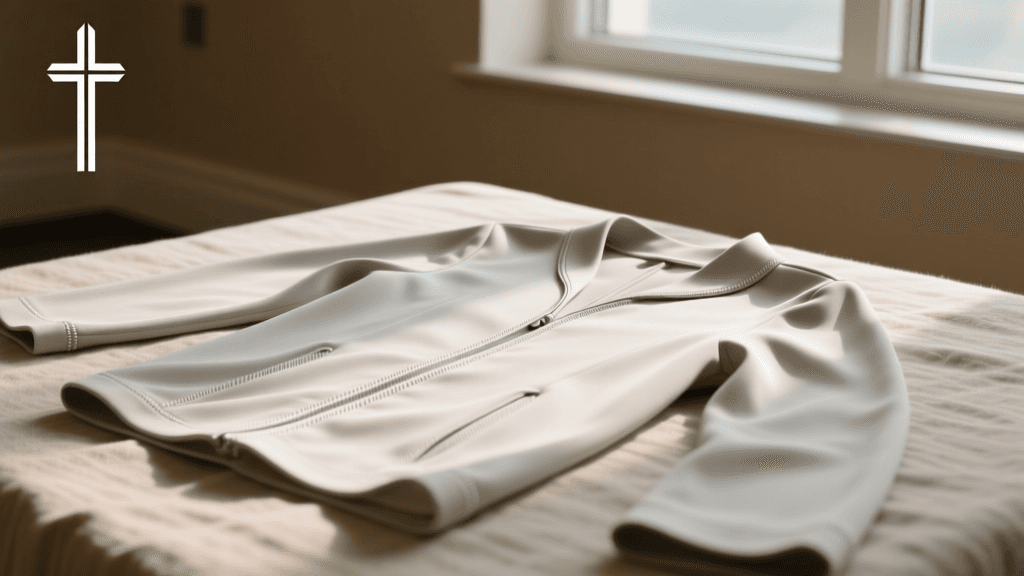
The Intersection of Faith and Textile Engineering in 2026
For members of The Church of Jesus Christ of Latter-day Saints, the temple garment is far more than a simple undergarment; it is a profound, sacred symbol of covenants made with God. However, from a sartorial and textile perspective, the garment also represents a fascinating intersection of religious tradition and modern apparel engineering. As we navigate 2026, the landscape of LDS temple garments has seen significant updates in fabric technology, inclusive sizing algorithms, and specialized cuts designed to accommodate the diverse, active lifestyles of a global membership. At The Garment Atlas, we explore the cultural and material significance of traditional dress across the Americas and Indigenous communities. In this comprehensive guide, we examine the 2026 catalog of LDS garment styles, the evolution of their materials, and practical advice for selecting the right fit and fabric for your daily needs.
The Sacred Context of the Temple Garment
Before diving into textile specifications, it is vital to understand the cultural and spiritual weight these garments carry. According to the Church's official Gospel Topics essays, temple garments are worn by adult members who have participated in the temple endowment ordinance. They serve as a personal, private reminder of the covenants made in the temple and are considered a symbol of spiritual protection and modesty. Unlike secular modesty wear or third-party religious undergarments, official LDS garments feature specific, divinely mandated markings and precise cuts that cannot be altered by the wearer. The Church's distribution centers and online store are the sole authorized providers of these sacred items, ensuring that every 2026 production run meets strict theological and quality control standards.
2026 Fabric Innovations: A Material Breakdown
The most significant updates in recent years have revolved around material science. The Church has expanded its fabric offerings to address the needs of members living in tropical climates, those engaged in rigorous physical labor, and individuals with sensory sensitivities. Here is a breakdown of the primary fabrics available in the 2026 catalog.
100% Cotton: The Classic Standard
Traditional 100% cotton remains a staple for its natural feel, hypoallergenic properties, and durability. The 2026 cotton weaves have been refined to reduce pilling and shrinkage, a common complaint in older iterations. While it lacks the stretch of modern synthetics, high-grade combed cotton offers excellent structure and is preferred by members who prioritize natural fibers and live in temperate climates.
Modal: The Breathable Beechwood Blend
Modal, a semi-synthetic fabric derived from beech tree pulp, has become a dominant force in the 2026 garment lineup. Known for its silky drape, exceptional softness, and resistance to shrinking, modal provides a luxurious feel against the skin. It is highly breathable and retains its shape far better than pure cotton. The latest modal-spandex blends introduced this year offer a four-way stretch that accommodates a wider range of body types without compromising the sacred cut of the garment.
Mesh: Maximum Ventilation for Warm Climates
For members residing in equatorial regions or those who work in high-heat environments, the mesh fabric is a vital innovation. Constructed from a lightweight, porous cotton-polyester blend, mesh garments allow for maximum airflow. The 2026 mesh updates feature reinforced binding around the neck and armholes to prevent fraying, a historical weakness of open-weave textiles. It is important to note that mesh garments are slightly more transparent than cotton, requiring mindful pairing with outer clothing.
Athletic Blends: Moisture-Wicking Performance
The athletic line has seen massive adoption by 2026. Engineered with moisture-wicking polyester and elastane, these garments are designed to pull sweat away from the body and dry rapidly. They are the go-to choice for missionaries serving in humid climates, collegiate athletes, and manual laborers. The athletic fabric is notably cooler to the touch and resists odor buildup, making it ideal for long days where changing is not an option.
Comprehensive 2026 Style Guide
The Church offers distinct styles to accommodate different outerwear fashions, body types, and personal comfort preferences. While the sacred markings remain identical across all styles, the outer cut varies significantly.
Women's Garment Styles
- Carmen: The most traditional and widely worn style. It features a higher, rounded neckline and a standard cap sleeve. It provides excellent coverage and pairs well with standard t-shirts and blouses.
- Juliet: Featuring a slightly lower, scoop-style neckline, the Juliet is designed to remain hidden under open-collar blouses or wider necklines while maintaining the required modesty coverage.
- Athletic (Racerback): A modern favorite for active women, this sleeveless design features a racerback cut and wider shoulder straps. It is specifically tailored to be worn under tank tops, sleeveless athletic wear, and summer dresses without the garment sleeves peeking out.
- Cap Sleeve Mesh: Combining the traditional Carmen cut with the breathable mesh fabric, ideal for high-heat environments where sleeve coverage is still desired.
Men's Garment Styles
- Crew Neck: The standard, classic t-shirt cut. It sits at the base of the neck and offers a traditional fit that works under almost any casual or business-casual shirt.
- V-Neck: Designed specifically to remain invisible under unbuttoned dress shirts or deep-neck casual wear. The 2026 V-neck features a reinforced collar that prevents curling after repeated washing.
- Athletic (Sleeveless): A tank-top style with wide shoulder straps and deep armholes. It is engineered for maximum mobility and is highly popular among men who wear short-sleeved athletic gear or work in intense heat.
2026 Fabric and Style Comparison Matrix
To help you make an informed decision when ordering from the official Church store, refer to the comparison table below detailing the performance characteristics of the 2026 fabric lineup.
| Fabric Type | Breathability | Stretch & Recovery | Durability | Best Use Case |
|---|---|---|---|---|
| 100% Cotton | Moderate | Low | High | Daily wear, temperate climates, sensitive skin |
| Modal Blend | High | Very High | High | Office wear, travel, sensory comfort |
| Mesh | Very High | Low | Moderate | Tropical climates, heavy outdoor labor |
| Athletic | High | Very High | Very High | Sports, gym, humid missionary service |
Purchasing, Sizing, and Care in 2026
Navigating the 2026 Sizing Algorithm
One of the most welcomed updates to the Church's online distribution portal in 2026 is the refined sizing algorithm. Rather than relying solely on height and weight, the new system prompts users to input specific measurements, including chest, waist, hip, and inseam. For women, the torso length measurement has been integrated to ensure that the garment tops and bottoms meet correctly at the waist, preventing the uncomfortable gap that plagued older sizing charts. When ordering, always use a soft measuring tape and measure over lightweight clothing to ensure accuracy.
Proper Care for Modern Blends
The longevity of your garments depends heavily on proper laundering. While 100% cotton can withstand higher heat, the 2026 modal and athletic blends require more delicate care to preserve their elastane fibers and moisture-wicking coatings.
Washing: Always wash garments in cold or warm water with like colors. Avoid using chlorine bleach, especially on modal and athletic fabrics, as it degrades the synthetic fibers and ruins the moisture-wicking properties. Opt for oxygen-based brighteners if necessary.
Drying: Tumble dry on low heat. High heat will melt the elastane in the athletic and modal blends, causing them to lose their stretch and become brittle over time. For mesh garments, air drying is highly recommended to prevent snags in the porous weave.
Conclusion
The 2026 lineup of LDS temple garments reflects a deep understanding of the global membership's diverse needs. By blending the sacred, unalterable requirements of the garment's design with cutting-edge textile engineering, the Church has provided options that allow members to honor their covenants without sacrificing physical comfort or mobility. Whether you are navigating a humid summer in the American South, playing collegiate sports, or simply seeking the buttery softness of modal for a long day at the office, understanding these material and style updates ensures you can make the best choice for your lifestyle. For more insights into the cultural and historical garments of the Americas, continue exploring The Garment Atlas.