LDS Temple Garments 2026: Sacred Meaning & Modern Styles

The Sacred Meaning and Cultural Significance of LDS Temple Garments in 2026
For members of The Church of Jesus Christ of Latter-day Saints, the temple garment is far more than a simple undergarment. It is a profound, sacred reminder of the covenants made within the walls of the temple. As we navigate the cultural and religious landscape of 2026, the intersection of traditional American modesty, Indigenous spiritual concepts, and modern textile technology offers a fascinating glimpse into how sacred clothing evolves while maintaining its eternal significance. At The Garment Atlas, we explore traditional garments across the Americas, and the LDS temple garment stands out as a unique piece of living religious dress that millions wear daily across North, Central, and South America.
Often referred to simply as "garments" or "temple clothes," these sacred items are worn by adult members who have participated in the temple endowment ceremony. According to the Gospel Topics Essay on Temple Garments, they serve as a "reminder of the covenants made in the temple" and a "symbol of spiritual commitment." Much like the ancient priestly garments described in the Book of Exodus, modern LDS garments are designed to cover the body modestly, serving as a spiritual armor against the temptations of the world.
Intersections with Indigenous and American Traditions
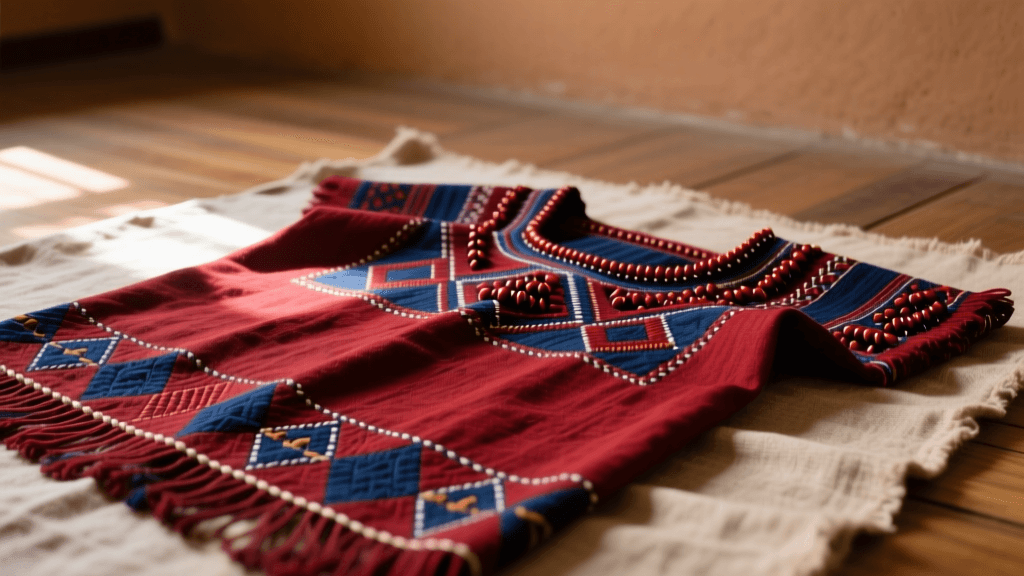
When examining the Americas and Indigenous clothing traditions, we frequently encounter the concept of "sacred regalia"—clothing that is not merely decorative but imbued with spiritual power, identity, and communal responsibility. For Native American and Indigenous Latter-day Saints, the temple garment often resonates deeply with ancestral understandings of sacred dress. In many Indigenous cultures across the Americas, specific garments are worn to denote a person's spiritual standing, to protect them during sacred rites, and to remind them of their duties to their community and the Creator.
Similarly, the LDS temple garment acts as a unifying spiritual regalia. Whether worn by a Navajo member in the American Southwest, a Quechua-speaking member in the Andes, or a corporate professional in New York City, the garment strips away socioeconomic and cultural divisions, replacing them with a shared, intimate spiritual identity. In 2026, as the Church continues to grow rapidly across Latin America and among Indigenous communities in North America, the adaptation of garment fabrics to suit diverse climates has become a vital aspect of cultural integration and daily religious practice.
Understanding the Sacred Markings
The temple garment features specific woven or embroidered markings that hold deep allegorical meaning. While the exact nature of these marks is considered sacred and is not discussed casually by faithful members, their general symbolic themes are well-documented in theological discussions. They represent concepts such as honor, integrity, the centrality of Christ, and the need to continually move forward on the covenant path.
"The marks in the garment serve as a constant, physical reminder of the spiritual promises made to God. They are not magical talismans, but rather visual anchors for the mind and spirit, much like the ancient Israelites wearing fringes on their garments to remember the commandments."
This perspective aligns closely with broader Indigenous American traditions, where patterns, beadwork, and weaves in traditional clothing often serve as mnemonic devices, reminding the wearer of creation stories, clan responsibilities, and moral imperatives.
2026 Fabric Technologies and Style Guide
One of the most significant developments in recent years has been the Church's responsiveness to the diverse climates of the Americas. A member living in the humid, tropical lowlands of Central America faces entirely different sartorial challenges than a member enduring the harsh winters of the Canadian prairies. As of 2026, the Church Distribution Store offers a highly specialized array of fabrics and styles to ensure that the sacred mandate to wear the garment does not become a physical burden.
Below is a comprehensive comparison of the primary garment styles and fabrics available to members in 2026:
| Fabric Type | Best Suited For | 2026 Est. Price Range | Key Features & Care |
|---|---|---|---|
| 100% Modest Cotton | Sensitive skin, temperate climates, traditionalists | $9.50 - $11.50 | Highly breathable, durable, absorbs moisture. May require light ironing and can shrink if washed in hot water. |
| Stretch Cotton Blend | Active lifestyles, modern tailored fits, daily wear | $10.50 - $12.50 | Form-fitting, retains shape exceptionally well, soft against the skin. Excellent for members who wear slim-fit professional attire. |
| Nylon / Synthetic | Humid climates, travel, Latin American tropics | $8.50 - $10.50 | Quick-drying, lightweight, cool to the touch. Ideal for members in regions like Brazil or Mexico where heat and humidity are year-round factors. |
| Poly-Mesh | Extreme heat, summer months, high physical exertion | $11.00 - $13.00 | Maximum airflow, ultra-lightweight. Requires delicate wash cycles and air drying to prevent snagging the mesh weave. |
Style Variations: Necklines and Sleeves
Beyond fabric, the physical cut of the garment has evolved to accommodate modern modesty standards and outerwear fashions. In 2026, members can choose from several authorized neckline and sleeve configurations:
- Crew Neck / Cap Sleeve: The most traditional and widely worn style. It provides maximum coverage and aligns with standard modesty guidelines for outerwear.
- V-Neck: Designed for members who wear outer clothing with lower necklines, ensuring the garment remains hidden while maintaining the required coverage.
- Elongated Bodice: Available primarily for women, this style offers extended length to ensure the garment remains tucked and secure during active movement.
- Scoop Neck / Bermuda Short: Adapted for warmer climates and specific athletic or casual outerwear, providing necessary coverage while reducing heat retention on the limbs.
How to Purchase Temple Garments in 2026
Purchasing temple garments is a restricted process, reserved exclusively for members who hold a current, valid temple recommend. This ensures that the sacred nature of the clothing is respected and that only those who have made the associated covenants have access to them.
Step-by-Step Purchasing Guide
- Verify Your Temple Recommend: Before attempting to purchase online or in-store, ensure your temple recommend is active. The 2026 digital integration allows the online store to verify your status seamlessly via your Church Account login.
- Visit the Official Distribution Channels: Garments can be purchased in person at local Distribution Centers, typically located near temples or major chapels, or online via the Temple Clothing and Garments Guide on the official Church website.
- Get Professionally Measured: If you are purchasing for the first time or have experienced changes in your body, visit a Distribution Center for a professional fitting. Proper fit is crucial; garments that are too tight can cause discomfort and wear out prematurely, while garments that are too loose may bunch and cause chafing.
- Order Online for Convenience: The 2026 online portal offers auto-replenishment features, allowing members to set up recurring orders based on their preferred fabrics and sizes, ensuring they never run out of clean, rotation-ready garments.
Respectful Care, Washing, and Disposal
Because of their sacred nature, temple garments require specific care. Treating them with respect during the washing and disposal process is a continuation of the reverence members hold for their covenants.
Washing and Drying Instructions
To maximize the lifespan of your garments and maintain the integrity of the sacred markings, follow these 2026 best practices:
- Wash in Cold or Warm Water: Avoid hot water, especially for 100% cotton garments, to prevent shrinking.
- Use Mild Detergents: Harsh chemicals and bleach can degrade the fibers and damage the embroidered or woven marks. Opt for gentle, fragrance-free detergents if you have sensitive skin.
- Separate from Heavy Items: Wash garments separately from heavy items like jeans or items with zippers and velcro, which can pull the threads of the mesh or cotton fabrics.
- Drying: Tumble dry on low heat or air dry. High heat will destroy the elastane in stretch-cotton blends, causing them to lose their shape and elasticity over time.
Respectful Disposal
When a garment becomes worn, torn, or unwearable, it must be disposed of respectfully. It is never appropriate to donate used garments to thrift stores or give them away. The standard protocol requires members to carefully cut out the sacred markings, which should be destroyed (such as by cutting them into small pieces or burning them, depending on local laws and safety). The remaining fabric, now stripped of its sacred symbols, can be disposed of in the regular household trash or repurposed as cleaning rags. This process ensures that the sacred symbols are never subjected to public view or disrespect.
Conclusion: A Living Tradition
The LDS temple garment is a remarkable example of how religious clothing adapts to the modern world without compromising its foundational spiritual purpose. As of 2026, the availability of advanced, climate-specific fabrics ensures that members from the freezing climates of North America to the tropical regions of Latin America can comfortably honor their covenants. By understanding the deep cultural significance, the historical parallels with Indigenous sacred regalia, and the practical aspects of modern garment care, we gain a profound appreciation for this deeply personal and sacred American religious tradition.