Authentic Oaxacan Huipil Buying Guide 2026: Natural Dyes
The Renaissance of Oaxacan Natural Dye Textiles in 2026
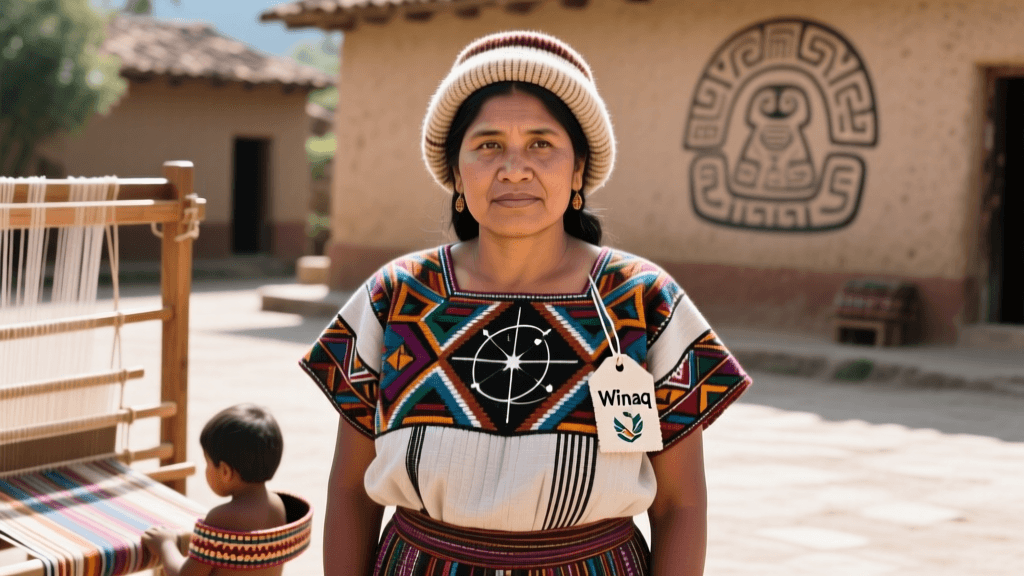
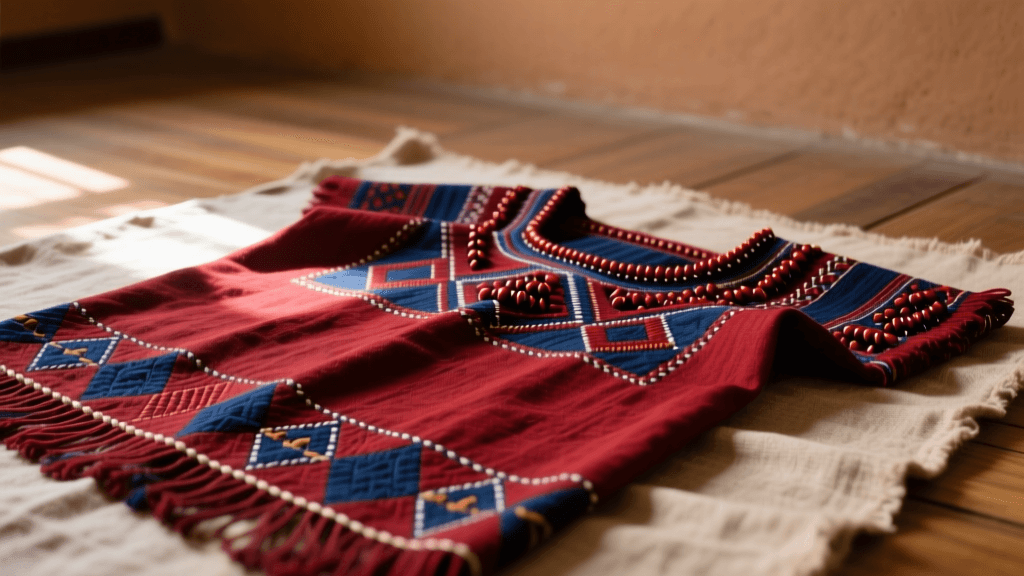
In 2026, the global demand for sustainable, ethically sourced fashion has brought unprecedented attention to the traditional garments of Latin America. At the forefront of this movement is the huipil, a traditional Mesoamerican tunic worn by Indigenous women for centuries. Today, the huipil is not merely a garment; it is a wearable archive of Zapotec and Mixtec history, cosmology, and botanical knowledge. However, as the popularity of these textiles has surged, so too has the market saturation of mass-produced, synthetic knockoffs.
For collectors, ethical fashion enthusiasts, and cultural preservationists, navigating the Oaxacan textile market in 2026 requires a discerning eye. Understanding the intricate processes of natural dyeing and traditional weaving is essential to ensure that your purchase supports the artisans who keep these ancestral techniques alive. This comprehensive guide will walk you through the botany, chemistry, and market realities of authentic Oaxacan natural dye garments in the current year.
Decoding the Palette: Cochineal, Indigo, and Beyond
The vibrant colors of a genuine Oaxacan huipil are derived from the region's rich biodiversity. Master dyers spend years learning the exact mordanting and fermentation processes required to extract colorfast pigments from plants and insects.
Cochineal (Grana Cochinilla)
The most famous of all Oaxacan dyes is cochineal, a brilliant red, purple, or pink pigment derived from the cochineal insect (Dactylopius coccus), which lives on the pads of the nopal cactus. In 2026, the cultivation of cochineal remains a labor-intensive, multi-generational family enterprise. The insects are carefully harvested, dried, and ground into a fine powder. By altering the pH level of the dye bath—adding acidic lime juice to yield bright oranges and reds, or alkaline wood ash to produce deep purples and maroons—artisans can achieve a breathtaking spectrum of colors from a single source.
Indigo (Añil)
Indigo dyeing is a masterclass in chemistry. Unlike cochineal, which is boiled, indigo requires a complex fermentation process in an alkaline vat to reduce the pigment into a water-soluble state. When the yarn is pulled from the vat, it is yellow-green, but as it hits the oxygen in the air, it oxidizes and magically transforms into a deep, rich blue. Authentic Oaxacan indigo is derived from the native Indigofera suffruticosa plant, and the fermentation vats are often treated as living organisms, fed with mineral salts and maintained at precise temperatures.
Marigold, Pecan, and Moss
While red and blue dominate the luxury market, everyday huipiles and rebozos frequently feature earthy tones. Cempasúchil (Mexican marigold) yields vibrant yellows and golds, while pecan shells and oak galls provide deep, tannin-rich browns and blacks. These botanical dyes are often combined with iron-rich mud to deepen the shades, creating a grounded, organic palette that synthetic dyes simply cannot replicate.
How to Authenticate Natural Dyes in the Market
When shopping in markets like the Mercado de Artesanías in Oaxaca City or the weekly markets in Tlacolula and Teotitlán del Valle, knowing how to spot the difference between natural and synthetic dyes is crucial. Here are the field tests recommended by textile experts in 2026:
- The Cochineal Smell and pH Test: Authentic cochineal has a very faint, earthy, almost dusty scent when wet. More importantly, if you have permission from the vendor, applying a tiny drop of acidic liquid (like lemon juice or vinegar) to a hidden red thread will cause a temporary color shift toward bright orange. Synthetic azo dyes will not react to pH changes.
- The Indigo Rub Test: Natural indigo does not penetrate the core of the fiber as deeply as synthetic chemical dyes. If you rub a piece of white cloth vigorously against a natural indigo thread, you may see a very faint blue transfer (crocking). Furthermore, natural indigo often has slight variances in shade along the length of the yarn, whereas synthetic indigo is uniformly flat.
- The UV Light Test: Many modern synthetic dyes contain optical brighteners that will fluoresce brightly under a UV (blacklight) flashlight. Natural botanical and insect dyes will remain relatively dull under UV light. Carrying a small UV keychain light is a common practice among serious textile collectors in 2026.
- The Scent of the Vat: Garments dyed with natural indigo or fermented plant dyes often retain a subtle, earthy, or slightly smoky aroma, especially when warmed by the sun or gently rubbed. Synthetic garments will smell of nothing, or faintly of chemical manufacturing.
2026 Pricing Guide for Authentic Oaxacan Garments
The pricing of traditional textiles has shifted significantly in 2026. Thanks to the advocacy of artisan cooperatives and organizations like the Museo Textil de Oaxaca, there is a stronger push for fair wages, reflecting the true time and material costs of natural dyeing and backstrap weaving. Below is a current market guide for authentic, ethically sourced pieces.
| Garment Type | Dye Profile | Loom Type | Weaving Time | 2026 Price Range (USD) |
|---|---|---|---|---|
| Ceremonial Huipil | Cochineal & Indigo | Backstrap | 4 - 8 Months | $800 - $1,500+ |
| Everyday Huipil | Marigold & Pecan | Backstrap | 2 - 3 Months | $350 - $600 |
| Artisan Rebozo (Silk) | Natural Indigo | Pedal / Backstrap | 3 - 5 Months | $500 - $900 |
| Zapotec Wool Rug (Tapete) | Full Natural Palette | Pedal Loom | 2 - 4 Months | $400 - $1,200 |
| Cotton Blouse (Blusa) | Cochineal Accents | Pedal Loom | 3 - 4 Weeks | $120 - $250 |
Note: Prices reflect direct purchases from artisan cooperatives or certified ethical galleries. Purchasing from third-party boutique resellers in major international cities will typically increase these prices by 100% to 300%.
Backstrap vs. Pedal Loom: Understanding the Weave
The value of a garment is not solely determined by its dye, but also by the mechanics of its creation. In Oaxaca, two primary looms are utilized, each carrying distinct cultural and structural implications.
The Backstrap Loom (Telar de Cintura)
The backstrap loom is an ancient, pre-Hispanic technology. One end of the loom is tied to a fixed post or tree, while the other is strapped around the weaver's lower back. The weaver uses her own body weight to control the tension of the warp threads. This method allows for the creation of complex, continuous brocade patterns (supplementary weft) that are woven directly into the fabric, rather than embroidered on top. Because the width of the fabric is limited by the weaver's arm span, huipiles are typically made of two or three panels sewn together. A fully brocaded, backstrap-woven huipil is considered the pinnacle of textile art and commands the highest prices.
The Pedal Loom (Telar de Pedal)
Introduced by the Spanish in the 16th century, the pedal loom is a large, stationary wooden frame operated with foot pedals. It allows for wider, continuous yards of fabric and is predominantly used for wool rugs (tapetes) in Teotitlán del Valle, as well as cotton yardage for everyday blouses and rebozos. While pedal loom weaving is faster, it still requires immense skill, particularly when executing intricate tapestry-weave patterns using naturally dyed yarns.
Ethical Sourcing and Supporting Artisan Cooperatives
In 2026, the conversation around cultural appropriation versus cultural appreciation is more prominent than ever. The most ethical way to purchase Latin American traditional garments is directly from Indigenous-led cooperatives or verified fair-trade organizations. These entities ensure that the profits return to the communities, funding local education, healthcare, and the preservation of ancestral techniques.
When visiting Oaxaca, seek out galleries and museums that operate as non-profits or direct-artisan hubs. The Museo Textil de Oaxaca, for instance, frequently hosts exhibitions and pop-up sales featuring vetted, master-level artisans from remote villages such as San Juan Colorado and Santa María Alotepec. Additionally, look for cooperatives that provide transparent bios of their weavers and dyers, detailing the specific village and family traditions behind the work.
Avoid vendors in high-traffic tourist zones who offer "bargain" huipiles. If a vendor is selling a heavily brocaded, brightly colored garment for $40 USD, it is almost certainly machine-embroidered on synthetic fabric, produced in a factory that exploits labor and undermines the traditional textile economy.
Caring for Your Natural Dye Garments
Owning a naturally dyed, hand-woven huipil or rebozo is an investment in wearable art. Proper care is essential to ensure the garment lasts for generations, as natural dyes require gentler handling than their synthetic counterparts.
- Washing: Never machine wash or dry clean a natural dye garment. Hand wash in cold water using a pH-neutral, mild detergent (such as baby shampoo or specialized textile wash). Do not soak the garment for extended periods, as this can cause the dyes to bleed.
- Drying: Never wring or twist the fabric. Gently press the water out by rolling the garment in a clean, dry towel. Lay it flat to dry in a shaded, well-ventilated area. Direct sunlight will rapidly fade natural cochineal and indigo.
- Storage: Store your huipil flat or loosely rolled in acid-free tissue paper inside a breathable cotton bag. Avoid wire hangers, which can distort the shoulders and cause stress on the hand-woven fibers. Keep the garment in a cool, dark place, and use natural cedar blocks rather than chemical mothballs to deter pests.
By understanding the profound history, botanical science, and economic realities of Oaxacan textiles, you can build a collection that honors the Indigenous artisans of the Americas. In 2026, wearing a natural dye huipil is a powerful statement of slow fashion, cultural respect, and an enduring appreciation for the hands that weave the threads of history.