Crafting Ojibwe Jingle Dress Regalia: 2026 Materials & Cone Guide
The jingle dress dance is one of the most visually and spiritually striking traditions in North American Indigenous culture. Originating among the Ojibwe (Anishinaabe) people, the dance and its accompanying regalia are deeply rooted in healing, prayer, and community resilience. As we navigate the 2026 powwow season, the demand for authentic, respectfully crafted jingle dress regalia continues to grow. Whether you are an Indigenous dancer preparing for the summer powwow trail, a family member assisting with regalia construction, or a textile historian studying Indigenous garment engineering, understanding the precise materials, mathematics, and cultural protocols of the jingle dress is essential.
The Healing Origins of the Jingle Dress
Before discussing the physical construction of the garment, it is vital to understand its spiritual weight. The jingle dress is not merely a performance costume; it is a healing garment. According to Ojibwe oral history, the dress was revealed in a dream to a medicine man whose daughter was gravely ill. The dream instructed him to create a dress adorned with metal cones that would produce a specific sound when danced in a particular way. Upon its completion and the performance of the dance, the daughter was healed. Today, the jingle dress dance remains a profound expression of medicine and prayer. The Smithsonian National Museum of the American Indian frequently highlights the jingle dress not just as a textile artifact, but as a living, breathing entity of Indigenous healing and cultural continuity.
Sourcing Authentic Materials for the 2026 Powwow Season
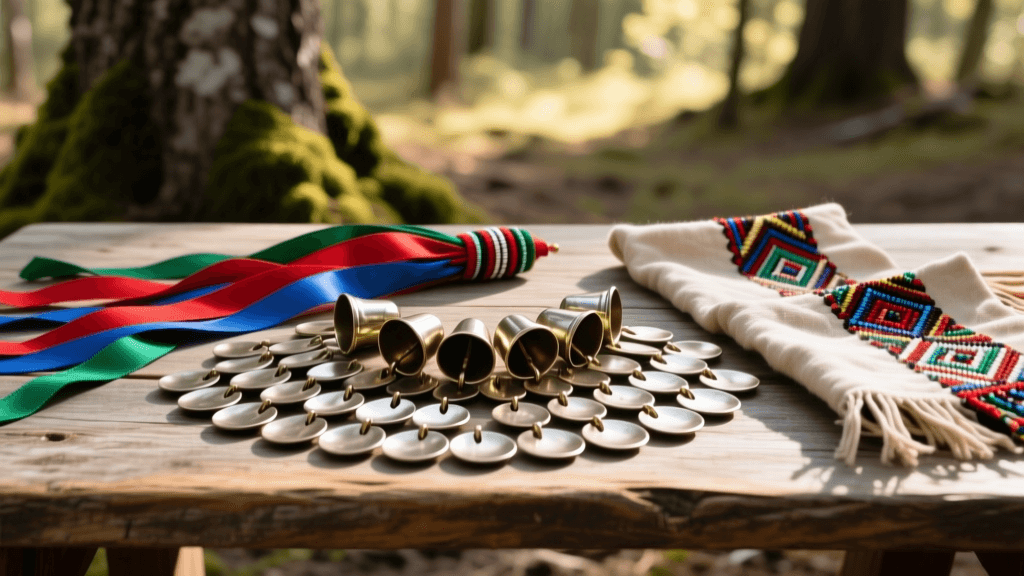
The defining feature of the jingle dress is, of course, the jingles themselves. Historically, these were crafted from rolled tobacco tin lids. In 2026, while traditional tin is still revered for its deep, resonant tone, dancers also utilize specialized steel and lightweight aluminum blanks to reduce the physical strain of wearing a dress that can weigh upwards of 15 pounds.
Metal Cones vs. Imitations
When sourcing materials this year, it is critical to avoid mass-produced, imported plastic or cheap alloy imitations that flood online marketplaces. These materials produce a dull, hollow clatter rather than the sacred 'rain on a tin roof' sound required for the dance. Authentic rolled metal cones should be sourced from Native-owned craft suppliers and regalia makers. The Indian Arts and Crafts Board strongly advises consumers to verify the Native heritage of artisans and suppliers when purchasing regalia components, ensuring compliance with the Indian Arts and Crafts Act and supporting Indigenous economies.
Fabric and Ribbon Selection
Modern jingle dresses are typically constructed from high-quality cotton broadcloth, calico, or specialized breathable poly-blends designed to withstand the intense heat of July and August powwows. For the decorative appliqué, 100% polyester or silk ribbons are used. In 2026, there is a notable trend toward vibrant, high-contrast color blocking—pairing deep jewel tones like emerald and sapphire with stark white or black broadcloth bases to make the geometric ribbonwork pop in the arena.
The Mathematics of Regalia: Cone Counts and Yardage
Constructing a jingle dress requires meticulous planning. The placement of the cones must allow them to strike one another when the dancer moves, but they must not tangle or catch on the fabric. The number of cones varies based on the dancer's age, size, and the specific style of the dress (e.g., traditional straight cut vs. modern flared skirt).
| Dancer Category | Estimated Cone Count | Fabric Yardage (45" wide) | Ribbon Yardage | Approximate Dress Weight |
|---|---|---|---|---|
| Youth (Ages 6-10) | 150 - 200 | 3 - 4 yards | 10 - 12 yards | 3 - 5 lbs |
| Teen (Ages 11-15) | 250 - 300 | 5 - 6 yards | 15 - 18 yards | 6 - 9 lbs |
| Adult (Standard) | 365 - 400 | 7 - 9 yards | 20 - 25 yards | 10 - 14 lbs |
| Adult (Elaborate/Heavy) | 450+ | 10+ yards | 30+ yards | 15+ lbs |
Note: The traditional number of 365 cones represents one for every day of the year, symbolizing continuous prayer and healing, though modern aesthetic preferences often dictate higher counts for a denser sound profile.
Step-by-Step Construction and Cone Rolling
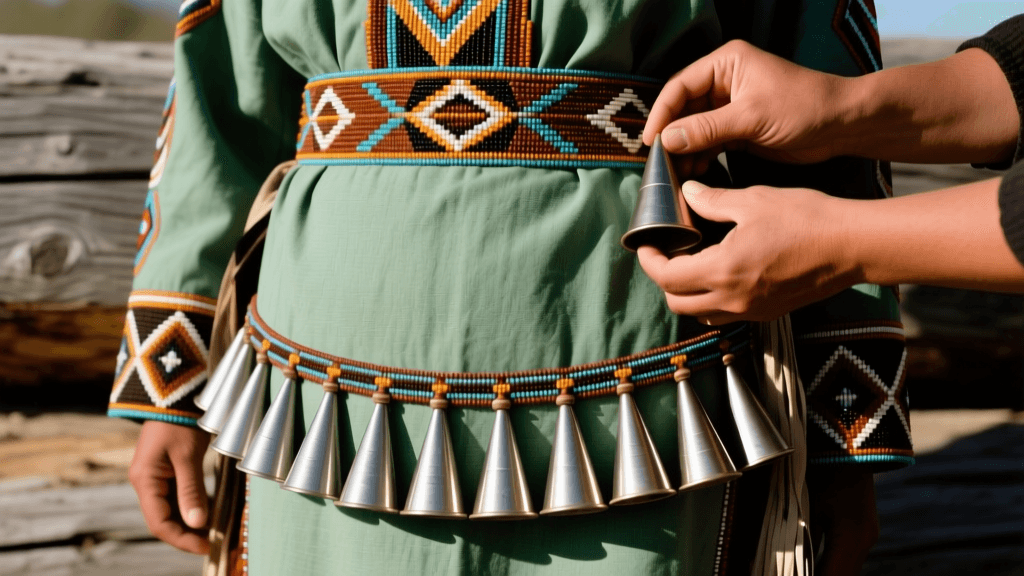
If you are rolling your own cones from flat metal blanks, precision is key. A standard jingle cone is approximately 2.5 to 3 inches in length. Artisans use a specialized wooden dowel or a tapered steel mandrel to roll the blank. The metal must be rolled tightly enough to maintain its shape during vigorous dancing, but a small slit must be left at the bottom to allow the sound to escape and to prevent the cone from acting as a whistle.
Attaching the Cones
Cones are never sewn directly to the fabric, as the weight and movement would quickly tear the broadcloth. Instead, they are tied using heavy-duty cotton string, sinew, or narrow ribbon. The string is threaded through the top hole of the rolled cone, and then tied securely to a reinforced ribbon or fabric strip on the dress. As detailed in the extensive educational archives at Powwows.com, the spacing of the cones is usually staggered in a chevron or diagonal pattern across the skirt and bodice, ensuring that when the dancer performs the signature low, sweeping footwork, the cones cascade into one another in a continuous, rhythmic wave of sound.
Accompanying Accessories: Snoods, Belts, and Moccasins
The jingle dress is part of a complete regalia ensemble. No jingle dress is complete without its accompanying accessories, which elevate the garment from a simple dress to a full expression of tribal identity and personal artistry.
- The Snood: A hair netting accessory, often heavily adorned with beadwork, sequins, and sometimes a plume or eagle feather (subject to strict tribal and legal protocols regarding eagle feathers). The snood keeps the dancer's hair secured during the rapid turns and footwork of the dance.
- Beaded Belt: A wide, fully beaded or loom-worked belt that cinches the waist. In 2026, many dancers are incorporating 3D raised beadwork techniques into their belts, featuring floral motifs traditional to the Great Lakes region or geometric patterns reflective of their specific clan.
- Moccasins: Fully beaded moccasins are a hallmark of the jingle dress dancer. The vamp (top of the foot) and the cuff are typically covered in intricate glass beadwork, matching the color palette of the dress.
- The Fan: Dancers often carry a feather fan, which is used to honor the drum and the audience during the honor beats of the song. The fan is treated with immense respect and is never placed on the ground.
Cultural Protocols and Respectful Wear
As interest in Indigenous textile arts grows, it is imperative to address the cultural protocols surrounding the jingle dress. The jingle dress is a sacred item of regalia, not a costume or a fashion statement. It is earned, gifted, or created with specific spiritual intent. Non-Indigenous individuals should never wear a jingle dress, nor should they attempt to replicate the dance for performance outside of invited, respectful cultural exchange settings.
For Indigenous youth and new dancers entering the powwow arena in 2026, the process of acquiring a jingle dress is often a community effort. It is common for aunts, grandmothers, and community elders to help sew the dress, roll the cones, and bead the moccasins, passing down not just sewing techniques, but the prayers, songs, and responsibilities that come with the healing dance. When purchasing components or commissioning a dress, always prioritize Native artisans. By doing so, you ensure the survival of traditional Indigenous economies and honor the profound spiritual legacy of the Ojibwe healing dress.
Whether you are meticulously calculating the yardage for a youth dress or sourcing the perfect shade of broadcloth for an adult dancer, the creation of jingle dress regalia remains a labor of love, faith, and profound cultural pride. The shimmering metal and vibrant fabrics of the 2026 powwow season will continue to carry the healing prayers of the Anishinaabe people far beyond the dance arena.