LDS Temple Garment Styles & Materials Guide for 2026
The Evolution of LDS Temple Garments
For members of The Church of Jesus Christ of Latter-day Saints, the temple garment is much more than a simple undergarment; it is a profound, sacred reminder of covenants made in the temple. As we move through 2026, the intersection of deep spiritual reverence and modern textile innovation has resulted in an array of garment styles and materials designed to meet the diverse needs of a global membership. Whether you are preparing for your first endowment session or looking to update your daily wardrobe with the latest moisture-wicking fabrics, understanding the current options is essential. This comprehensive guide explores the 2026 LDS garment styles, material technologies, specialized fits, and best practices for purchasing and care.
The Sacred Purpose and Historical Context
The spiritual significance of the garment remains unchanged, serving as a protective reminder of the wearer's commitment to God. According to the Temple Preparation Manual, the garment represents the armor of God and provides a constant, physical reminder of temple covenants. Historically, early iterations of the garment in the 19th century were one-piece union suits that extended to the wrists and ankles, reflecting the modesty standards and textile limitations of the era. Over the decades, as global climates and daily lifestyles evolved, the Church introduced the modern two-piece design. Today, in 2026, the focus is on providing options that allow members to honor their covenants comfortably, whether they are navigating a humid tropical climate, engaging in rigorous athletic activities, or attending formal professional events.
2026 Fabric Innovations and Material Options
The most significant updates in recent years revolve around fabric technology. The Official Church Store now offers a highly curated selection of materials engineered for specific environments and skin sensitivities. Choosing the right fabric is crucial for maintaining comfort throughout the day.
Cotton and Cotton-Blend Classics
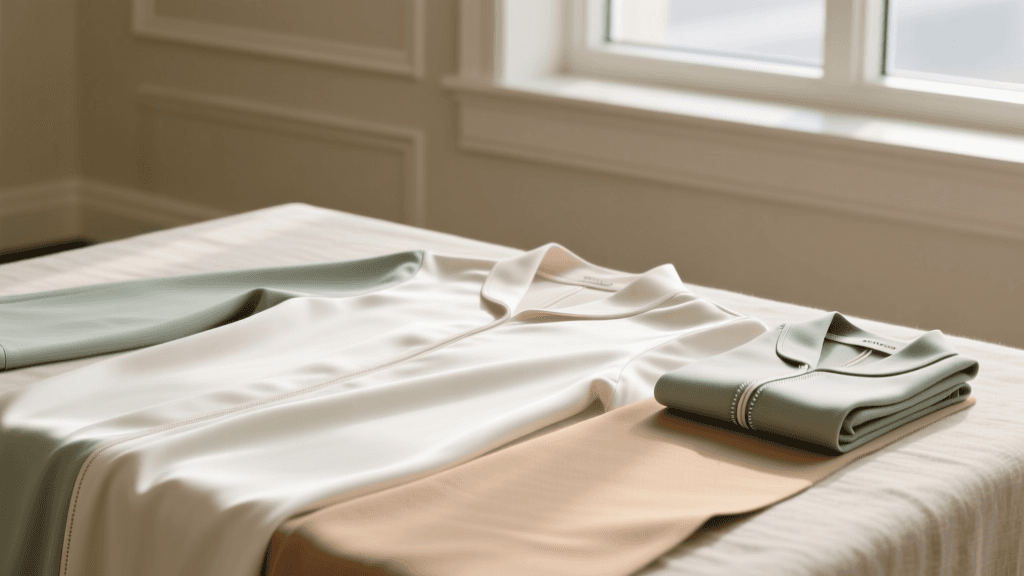
Traditional 100% cotton remains a staple for those with sensitive skin or those who prefer a natural, breathable fiber. In 2026, the cotton spinning process has been refined to reduce pilling and shrinkage, ensuring the garment maintains its structural integrity and the precise placement of the sacred marks after dozens of wash cycles. For those seeking a softer drape, the cotton-modal blend continues to be a top choice, offering a slight stretch that moves seamlessly with the body without clinging.
Performance and Sport Fabrics
For active members, athletes, or those living in high-humidity regions, performance fabrics are a game-changer. The 2026 sport line features advanced moisture-wicking polyester and spandex blends. These garments pull sweat away from the skin, drying rapidly to prevent chafing and discomfort during workouts or long commutes. Unlike older synthetic blends that felt heavy or trapped heat, the latest micro-mesh weaves offer exceptional airflow and temperature regulation.
Lightweight Mesh and Heat-Weather Options
In extremely hot climates, the lightweight mesh top is an indispensable option. Constructed with a breathable, open-weave synthetic blend, it provides the required coverage while maximizing ventilation. It is often paired with standard cotton or modal bottoms to balance breathability with durability, making it ideal for summer months or tropical missions.
| Material Type | Best Suited For | Key Features for 2026 |
|---|---|---|
| 100% Cotton | Everyday wear, sensitive skin | Breathable, traditional feel, improved shrink-resistance |
| Cotton-Modal Blend | Office wear, travel, all-day comfort | Soft drape, slight stretch, resists wrinkling |
| Performance Sport | Athletics, high-humidity climates | Moisture-wicking, rapid dry, anti-odor treatment |
| Lightweight Mesh | Extreme heat, summer outdoor work | Maximum ventilation, lightweight, durable weave |
Modern Style Updates and Fits
Beyond materials, the cut and silhouette of the garments have seen thoughtful refinements to accommodate modern outerwear and diverse body types.
Top Styles and Necklines
The classic crew neck remains the standard for modesty under button-down shirts and high-collared blouses. However, the V-neck and scoop-neck options have become increasingly popular for women wearing wider necklines or wrap dresses. The cap-sleeve and short-sleeve variations offer excellent shoulder coverage while preventing the visible sleeve lines that can occur with traditional t-shirt styles under fitted blazers or light sweaters. In 2026, seam placements on the cap-sleeve tops have been adjusted to sit slightly further back on the shoulder, reducing friction and improving the drape under tailored clothing.
Bottom Styles and Lengths
Bottoms are available in knee-length, mid-thigh, and ankle-length cuts. The mid-thigh length has seen a surge in popularity in 2026, particularly for women wearing dresses and skirts, as it prevents chafing while remaining invisible under midi-length hemlines. The knee-length option remains the standard for men, providing comfortable coverage under suit trousers or casual jeans. Ankle-length bottoms continue to serve members who require additional leg coverage for specific professional or cultural environments.
Specialized Options for Unique Needs
Recognizing that a global membership has unique physical needs, the 2026 catalog includes several specialized designs. Maternity garments feature expandable abdominal panels that grow with the wearer, providing comfort and covenant reminders throughout pregnancy. Nursing-friendly tops include discreet, overlapping access panels that allow for breastfeeding without the need to remove the entire garment. Additionally, youth and young adult sizing has been refined, offering narrower shoulders and shorter torsos to ensure a proper, comfortable fit for those receiving their endowment at a younger age or those with petite frames.
Purchasing, Measuring, and the 2026 Catalog
Purchasing garments is restricted to endowed members of the Church, and the process is designed to be secure and respectful. Members can order directly through the Official Church Store online, via the Church's mobile app, or by visiting local distribution centers and authorized retailers like the Deseret Book Garment Catalog. When ordering online in 2026, the digital sizing guide requires precise measurements of the chest, waist, and hips. It is highly recommended to use a soft measuring tape and measure over lightweight clothing to ensure an accurate fit. Garments are designed to fit snugly but not restrictively; a proper fit ensures the sacred marks remain in their correct anatomical positions and prevents the fabric from bunching or shifting throughout the day.
Garment Care and Maintenance
Proper care extends the life of the garment and preserves the integrity of the fabric. For cotton and modal blends, washing in cold or warm water with a mild detergent is recommended. Avoid using chlorine bleach, as it degrades the fibers and can weaken the stitching around the marks. Performance and synthetic fabrics should be washed in cold water and air-dried or tumble-dried on low heat to prevent the spandex from breaking down. By following these care instructions, members can ensure their garments remain comfortable, durable, and respectful representations of their sacred covenants for years to come.