LDS Temple Garments 2026: Complete History & Style Guide
Introduction to the Sacred Garment
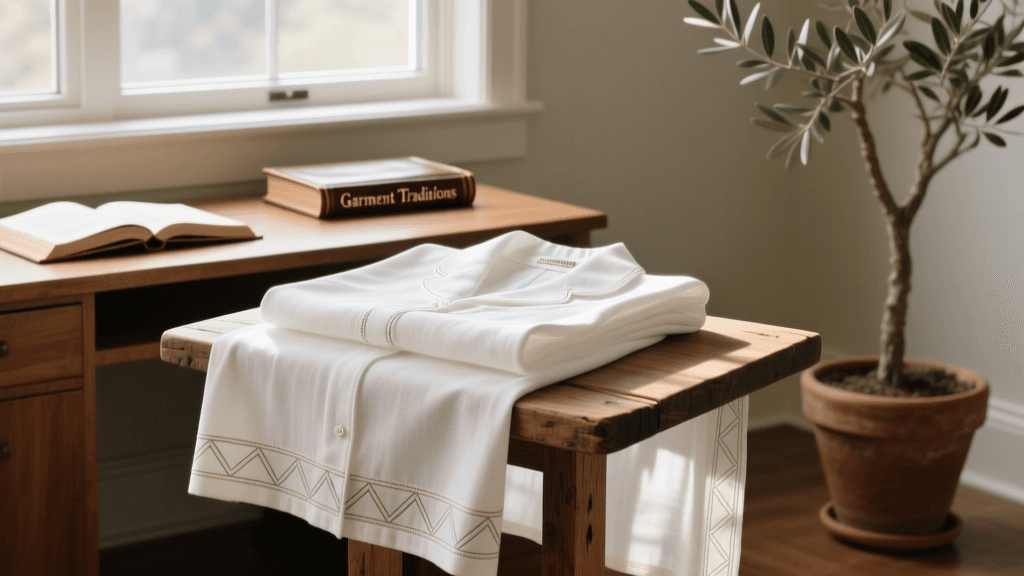
For members of The Church of Jesus Christ of Latter-day Saints, the temple garment is far more than a simple piece of clothing. It is a sacred, deeply personal reminder of the covenants made with God during temple ordinances. Often referred to respectfully as the 'garment of the holy priesthood,' it serves as a spiritual shield and a constant physical reminder of a member's commitment to live a righteous life. As we navigate 2026, the Church continues to provide a diverse array of garment styles, fabrics, and fits to accommodate the global membership, varying climates, and modern lifestyles, all while maintaining the sacred symbols and core purpose of the garment.
According to the Church's official Gospel Topics essay on Garments, 'The garment of the holy priesthood reminds those who have received the endowment of their covenants and their commitment to live righteously.' This comprehensive guide explores the rich history, the spiritual symbolism, the modern 2026 fabric technologies, and the practical aspects of purchasing and caring for LDS temple garments today.
The Historical Evolution of LDS Garments
The history of the temple garment traces back to the early 1840s in Nauvoo, Illinois. When Joseph Smith first introduced the temple endowment, the original garment was a one-piece undergarment, similar to the 'union suits' commonly worn by men and women of the 19th century. These early garments featured long sleeves and long legs that extended to the wrists and ankles. They were entirely handmade, often sewn by the wearer or their family members, and included specific woven or embroidered marks that held deep theological significance.
As the decades passed and global fashion norms shifted, the Church authorized practical adjustments to the garment's design to ensure members could wear them comfortably in everyday life. In the 1920s, the Church permitted the sleeves and legs to be shortened to the elbows and knees, reflecting the changing styles of the Roaring Twenties and the practical needs of a growing, active membership. By the mid-20th century, further adjustments allowed for even shorter sleeves and legs.
A monumental shift occurred in the 1970s when the Church officially approved the two-piece garment, consisting of a separate top (similar to a t-shirt) and bottom (similar to boxer shorts or briefs). This change vastly improved comfort, especially for members living in warmer climates or those serving missions in tropical regions. The Temple Preparation Manual notes that while the style and fabric have adapted over time to meet the practical needs of the Saints, the sacred marks and the covenants they represent have remained entirely unchanged since the days of Nauvoo.
Entering the 2020s and now in 2026, the Church has placed a significant emphasis on expanding options for women. Historically, women had to adapt men's undergarment styles to fit their needs. Recent years have seen the introduction and refinement of women-specific cuts, including varying necklines (such as the carmen, v-neck, and round neck), cap sleeves, and specialized maternity garments, ensuring that the sacred garment is accessible, comfortable, and modest for every member.
Spiritual Symbolism and the Sacred Marks
The defining feature of the temple garment is the inclusion of specific marks woven or embroidered into the fabric. These marks are not merely decorative; they are rich in allegory and serve as visual and tactile reminders of the wearer's covenants.
- The Square: Represents honor, integrity, and the importance of keeping one's word. It reminds the wearer to act with uprightness in all dealings.
- The Compass: Symbolizes an undeviating course in relation to truth and the eternal nature of the soul. It serves as a reminder to keep one's life directed toward God.
- The Navel Mark: Often associated with the concept of spiritual nourishment and the connection to the Abrahamic covenant.
- The Knee Mark: Represents the importance of prayer, humility, and the willingness to bow the knee to God in reverence and supplication.
'The garment of the holy priesthood is an outward expression of an inward commitment to follow the Savior Jesus Christ and to keep the covenants made in the temple.' — Church Leadership, 2026 General Conference Addresses.
2026 Garment Styles and Fabric Options
In 2026, the Church's distribution network offers a highly sophisticated range of fabrics designed to meet the demands of modern life, from high-intensity athletics to humid tropical climates. When visiting the official Temple Clothing and Garments portal, members are presented with several distinct fabric lines.
Fabric Comparison Chart (2026 Catalog)
| Fabric Type | Material Composition | Best Use Case | Key Features |
|---|---|---|---|
| Classic Cotton | 100% Combed Cotton | Everyday wear, temperate climates | Highly breathable, soft, traditional feel, durable for standard washing. |
| Stretch Cotton | 95% Cotton, 5% Spandex | Active lifestyles, form-fitting clothing | Offers flexibility, retains shape, prevents bunching under modern tailored clothing. |
| Performance (Modacrylic) | Modacrylic / Nylon Blend | Hot/humid climates, intense exercise, travel | Moisture-wicking, quick-drying, lightweight, resists odors and shrinking. |
| Ultra-Light Mesh | Polyester / Spandex Mesh | Extreme heat, tropical mission areas | Maximum airflow, ultra-lightweight, dries rapidly after hand-washing. |
Women's Styles in 2026
The 2026 catalog continues to expand on the women's specific lines introduced in the early 2020s. Women can now choose from:
- Necklines: Round, V-Neck, and Carmen (wide scoop) to accommodate various outerwear styles while maintaining modesty.
- Sleeves: Standard short sleeve, cap sleeve, and sleeveless (for specific medical or extreme climate accommodations, as approved by local leadership).
- Bottoms: Women's specific boxer cuts, briefs, and boy-short styles designed with female anatomy in mind, providing better fit and reducing fabric bunching.
- Maternity: Specialized stretch panels and adjustable waistbands for expectant mothers, ensuring comfort throughout pregnancy.
Men's Styles in 2026
Men's options remain robust, featuring crew neck and v-neck tops, with bottoms available in traditional boxer, brief, and athletic compression styles. The athletic lines utilize the Performance and Ultra-Light Mesh fabrics to support members engaged in sports or manual labor.
How to Purchase Garments in 2026
Purchasing temple garments is a restricted process, reserved only for members who have received their temple endowment and hold a current, valid temple recommend. In 2026, the purchasing process is highly streamlined, combining digital convenience with local accessibility.
- Verify Your Recommend Status: The Church's online store is integrated with the member's Church Account. When you log in, the system automatically verifies your current temple recommend status via the bishop's database. You must have an active recommend to add garments to your cart.
- Choose Your Shopping Method:
- Online Store: Order directly through the official Church Store website. Garments are shipped discreetly in plain packaging to your home address.
- Local Distribution Center: Visit a local Church Distribution Center or temple clothing rental facility. This allows you to try on different sizes and feel the fabrics in person.
- Temple Kiosks: Many major temples in 2026 feature automated or staffed kiosks where members can purchase emergency replacements or travel packs directly on temple grounds.
- Sizing and Fit: The 2026 online portal features an AI-assisted sizing tool. By inputting your height, weight, and preferred fit (snug vs. relaxed), the system recommends the exact size for both tops and bottoms across the different fabric lines.
Proper Care, Maintenance, and Disposal
Because the garment is a sacred item, it must be treated with respect throughout its lifecycle, from washing to eventual disposal.
Washing and Drying Guidelines
- Washing: Wash garments in cold or warm water with like colors. Use standard laundry detergent. Avoid using harsh bleach, as it degrades the elastic fibers (especially in the Stretch and Performance lines) and can damage the sacred marks.
- Drying: Tumble dry on low heat or hang dry. High heat will ruin the spandex and modacrylic blends, causing them to lose their shape and moisture-wicking properties.
- Travel: When traveling, garments can be hand-washed in a hotel sink with a mild travel detergent. The Performance and Mesh fabrics are specifically designed to dry overnight when hung in a well-ventilated room.
Respectful Disposal
When a garment becomes worn, torn, or stretched beyond repair, it must be disposed of properly. It is strictly forbidden to donate used garments to thrift stores, give them away, or throw them intact into public trash receptacles where they might be seen or mishandled by those who do not understand their sacred nature.
The 2026 Standard for Disposal:
- Cut the sacred marks out of the garment.
- Cut the remaining fabric into smaller, unrecognizable pieces.
- Discard the pieces in your private household trash, ensuring they are wrapped or placed in a bag so they are not visible to sanitation workers or the public.
- Alternatively, if the fabric is completely degraded, some members choose to burn the remnants in a private, safe manner, though cutting and discarding is the most common and practical method recommended by Church leadership today.
Conclusion
The LDS temple garment stands as a unique intersection of deep spiritual devotion and practical textile design. From its origins as a heavy, full-body union suit in the 1840s to the advanced, moisture-wicking, and anatomically diverse options available in 2026, the garment has adapted to the needs of a global church without compromising its sacred purpose. For Latter-day Saints, putting on the garment each morning is a quiet, personal ritual—a way to armor themselves with faith, integrity, and a constant reminder of the eternal covenants they have made with God.