Jingle Dress Regalia: Sourcing Metal Cones & Velvet 2026
The Enduring Legacy of the Jingle Dress in 2026
The Jingle Dress, originally a healing dress from the Ojibwe (Chippewa) Nation, has evolved into one of the most recognizable and deeply respected forms of Native American powwow regalia across North America. As we navigate the 2026 powwow season, the demand for authentic, high-quality, and ethically sourced materials has never been higher. Whether you are a seasoned dancer replacing worn components or a first-time creator building a dress from scratch, understanding the nuances of sourcing metal cones (jingles), velvet, broadcloth, and trade ribbons is essential. This comprehensive guide covers everything you need to know about constructing and sourcing materials for Jingle Dress regalia in 2026, ensuring your garment honors tradition while meeting the rigorous demands of modern competition and ceremonial dance.
The Enduring Legacy of the Jingle Dress in 2026
The origins of the Jingle Dress trace back to the early 20th century, rooted in a vision of healing and resilience among the Ojibwe people of the Great Lakes region. The dress is characterized by the rows of rolled metal cones—traditionally made from snuff can lids, though today crafted from specialized metals—that create a rhythmic, rain-like sound when the dancer moves. In 2026, the Jingle Dress dance is a staple at major gatherings, from the Gathering of Nations in Albuquerque to local community powwows across Turtle Island. The sound of the dress is considered a form of medicine, and the creation of the garment is treated with profound spiritual respect. Modern dancers in 2026 often blend traditional silhouettes with contemporary textile technologies, prioritizing lightweight durability without sacrificing the acoustic integrity of the jingles.
Sourcing Metal Jingles (Cones): Materials and 2026 Pricing
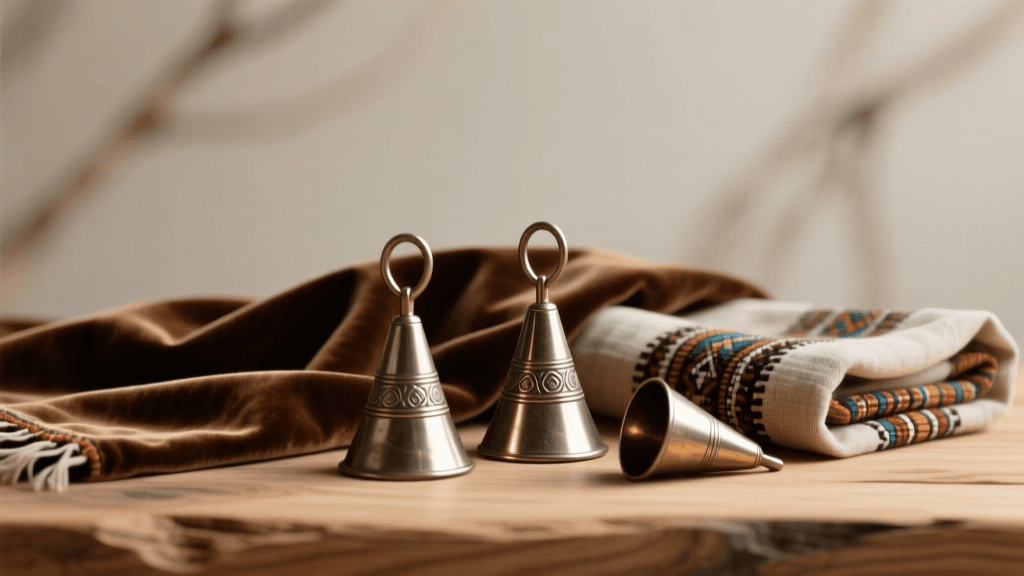
The heart of the regalia lies in the ziibaaska'iganan (the Ojibwe word for jingles). Sourcing the right metal cones is critical, as the material dictates both the sound and the weight of the dress. In 2026, dancers generally choose between stamped tin, rolled brass, and hand-cut copper.
Stamped tin jingles are the most common and affordable, often imported or mass-produced by large trading posts. They offer a bright, high-pitched 'tinkling' sound. However, many traditionalists and competition dancers in 2026 are shifting toward rolled brass or copper, which provide a deeper, more resonant, and soothing acoustic profile that carries better in large, open-air arenas.
2026 Material Comparison Chart for Jingle Cones
| Material | Average Cost (per 100 in 2026) | Acoustic Profile | Weight per 100 | Durability |
|---|---|---|---|---|
| Stamped Tin | $40 - $55 | Bright, high-pitched, sharp | 1.2 lbs | Moderate (prone to bending) |
| Rolled Brass | $85 - $110 | Deep, resonant, melodic | 2.5 lbs | High (retains shape well) |
| Hand-Cut Copper | $130 - $180 | Warm, rich, grounding | 2.8 lbs | Very High (develops patina) |
When purchasing, ensure the jingles have pre-punched, reinforced holes to prevent the sinew or thread from tearing through the metal during vigorous dance movements. Suppliers like Crazy Crow Trading Post remain a staple for bulk regalia supplies, offering reliable shipping and consistent sizing for the 2026 season.
Selecting the Right Fabrics: Velvet, Broadcloth, and Calico
The base and overlay of a Jingle Dress require fabrics that can withstand the heavy weight of hundreds of metal cones while allowing for fluid, sweeping movements. Historically, trade cloth and calico were the standards. Today, the layering technique is crucial.
- The Base Layer (Lining): A heavy-duty cotton calico or canvas is recommended for the inner layer. This provides structural integrity. In 2026, organic and sustainably milled cottons are increasingly popular, available through specialized textile vendors.
- The Outer Layer (Overlay): Velvet, broadcloth, and satin are the premier choices for the visible layer. Cotton velveteen is highly favored because it is breathable, drapes beautifully, and holds the weight of the jingles without tearing as easily as synthetic satins.
- Ribbonwork and Appliqué: To decorate the yoke, hem, and sleeves, dancers use satin ribbons or broadcloth appliqué. Sourcing ribbons from Native-owned enterprises is a growing trend. Companies like Eighth Generation offer stunning, culturally resonant patterns designed by Indigenous artists, ensuring your regalia reflects authentic Native aesthetics rather than appropriated motifs.
Construction Measurements and Spacing Guidelines
Attaching the jingles requires precision to ensure the dress moves correctly and produces the desired sound. The traditional number of jingles on a dress is 365, representing one for each day of the year, though in 2026, many adult dresses feature between 250 and 400 jingles depending on the dancer's size and weight tolerance.
- Thread Selection: Do not use standard cotton thread. In 2026, heavy-duty waxed nylon sinew or bonded polyester upholstery thread (size 69 or 92) is the standard. Waxed sinew is traditional and highly durable, but modern synthetic alternatives offer superior resistance to sweat and friction.
- Spacing: Jingles are typically attached in staggered, horizontal rows. The standard spacing is 1 inch to 1.5 inches apart horizontally, with rows spaced 2 inches to 3 inches apart vertically. This staggered grid prevents the metal cones from tangling and ensures an even distribution of sound.
- Attachment Method: Fold the top of the jingle flat, pass the needle through the reinforced holes, and secure it to the fabric using a double-loop stitch. Leave about 1/4 inch of slack between the fabric and the top of the cone so the jingle can swing freely and strike its neighbors.
- Needles: Use a size 18 or 20 leather needle or a heavy-duty denim needle if using a commercial sewing machine for the base seams. Hand-sewing the jingles is universally recommended to maintain precise tension.
Ethical Sourcing and Supporting Native Artisans
As the powwow circuit continues to grow in 2026, so does the conversation around ethical sourcing and cultural preservation. The regalia market is unfortunately flooded with mass-produced, overseas imitation 'Native' crafts. To honor the spiritual origins of the Jingle Dress, it is vital to direct your regalia budget toward Indigenous creators.
Platforms like Powwows.com frequently highlight Native artisans who hand-roll copper jingles, sew custom velvet yokes, and create traditional beadwork. Purchasing directly from these makers not only guarantees superior craftsmanship but also supports the economic sovereignty of Native communities. When buying trade cloth or ribbons, seek out vendors who explicitly state their Native ownership and involvement in the community.
Maintaining Your Regalia for the 2026 Powwow Season
A Jingle Dress is an investment of time, money, and spirit. Proper maintenance ensures it lasts for multiple seasons. After every powwow, hang the dress on a heavy-duty, padded hanger in a cool, dry place. Never fold the dress, as this will permanently crease the velvet and bend the metal jingles, altering their acoustic properties.
If you have chosen copper or brass jingles, they will naturally develop a patina over the 2026 season. Some dancers prefer this aged, antique look, while others choose to polish them gently with a natural, non-abrasive metal polish before major competitions. Always inspect the threading at the yoke and hem before traveling, as the sheer weight of the dress puts immense stress on the shoulder seams during the energetic footwork of the Jingle Dress dance.
By carefully selecting your metals, fabrics, and artisan partners, you ensure that your Jingle Dress is not only a stunning visual masterpiece but a resonant vessel of healing and tradition for the 2026 powwow trail.