2026 Oaxacan Huipil Guide: Natural Dyes & Weaving
The Enduring Legacy of the Oaxacan Huipil
The traditional huipil is far more than a simple tunic; it is a wearable codex that documents the history, cosmology, and identity of Indigenous communities across Mesoamerica. In the southern Mexican state of Oaxaca, the huipil remains a vital garment worn daily by thousands of Indigenous women, while also capturing the attention of global textile collectors, fashion historians, and ethical consumers. As we navigate the textile market in 2026, the demand for authentic, hand-woven garments has surged, driven by a growing appreciation for slow fashion and Indigenous intellectual property rights. However, this rising demand has also led to an influx of machine-made imitations. This comprehensive guide will help you identify authentic Oaxacan huipiles, understand the complex chemistry of natural dyes, and navigate the 2026 fair-trade pricing landscape to ensure your purchase directly supports the artisans who keep these ancient traditions alive.
The Anatomy of an Authentic Backstrap Loom Huipil
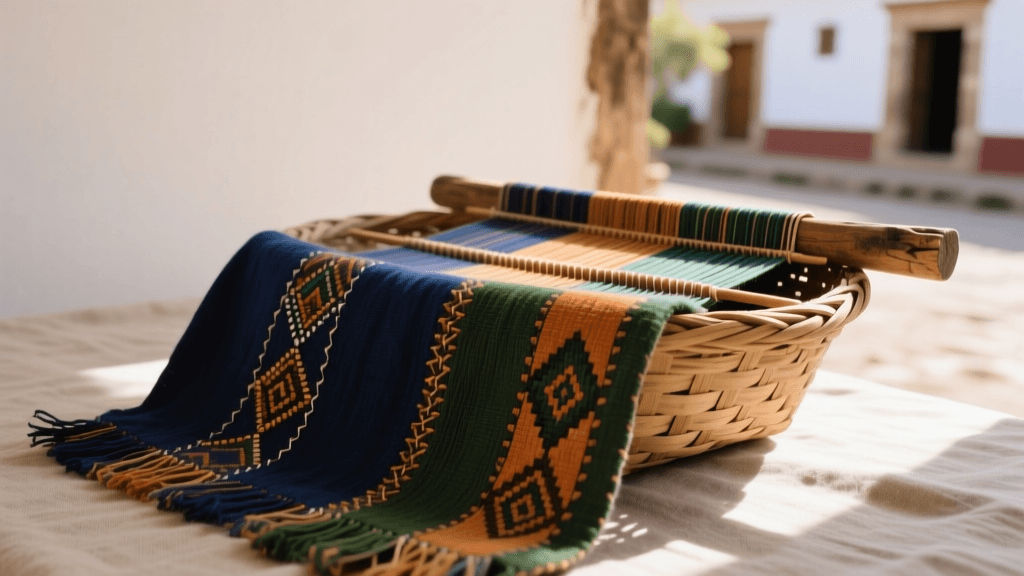
To truly appreciate an Oaxacan huipil, one must understand the technology used to create it. Authentic ceremonial and high-end everyday huipiles are woven on a telar de cintura, or backstrap loom. This pre-Columbian technology relies on the weaver's own body to create tension. One end of the loom is tied to a sturdy post or tree, while the other is secured around the weaver's lower back via a leather or wooden strap called a mecapal. By leaning forward or backward, the weaver meticulously controls the warp tension, allowing for the creation of incredibly tight, dense, and intricate textiles.
Spotting the Difference: Hand-Woven vs. Machine-Made in 2026
In 2026, industrial Jacquard looms can produce visually similar patterns in a fraction of the time, but they lack the soul and structural integrity of a backstrap-woven textile. Here is how you can authenticate a hand-woven huipil:
- The Reverse Side: Turn the garment inside out. A true supplementary weft brocade (the technique used to create the raised, embroidered-looking patterns) will show the pattern clearly on both sides, though the reverse may have longer 'floats' of thread. Machine-embroidered or printed fakes will have a messy, chaotic backing or a stiff layer of interfacing.
- The Selvedge Edges: Authentic backstrap-woven panels have finished, natural selvedge edges that are slightly uneven and organic. Machine-woven fabrics are cut from large bolts, leaving raw edges that must be stitched or serged together.
- Panel Construction: A traditional Oaxacan huipil is typically constructed from two or three narrow panels woven separately and then joined together with a decorative randa (seam). If the garment is cut from a single wide piece of fabric, it is likely a modern, mass-produced adaptation.
- Weaving Time: A master weaver may spend anywhere from one to six months weaving a single huipil. If a vendor claims a highly complex, three-panel natural-dyed garment was made in a week, it is a red flag.
Regional Variations: Zapotec and Mixtec Motifs
Oaxaca is home to 16 distinct Indigenous groups, and the huipil serves as a geographical marker. Understanding these regional variations is crucial for collectors and enthusiasts in 2026.
Zapotec Huipiles of the Isthmus and Valleys
In the Isthmus of Tehuantepec, the Zapotec huipil (often called a huipil de Tehuana) is famous for its vibrant, large-scale floral embroidery on velvet or satin, a style that evolved post-colonization. However, in the Zapotec weaving villages of the Central Valleys, such as Santo Tomás Jalieza, artisans use cotton and natural dyes to weave intricate geometric and animal motifs, including the double-headed eagle, coyotes, and pre-Columbian fretwork (grecas).
Mixtec Huipiles of the Coast and Mixteca
The Mixtec communities, particularly in coastal areas like San Juan Colorado and Pinotepa de Don Luis, produce huipiles characterized by their lightweight, gauze-like cotton weaves, perfectly suited for the tropical climate. These garments often feature horizontal bands of deep indigo and cochineal red, with delicate brocade patterns representing the local flora, fauna, and the sacred rain deities. In 2026, the preservation of these specific coastal Mixtec weaving techniques has become a focal point for UNESCO's Intangible Cultural Heritage initiatives, highlighting the urgent need to protect these localized textile dialects.
The Revival of Natural Dyes in 2026
While synthetic aniline dyes dominated the 20th century due to their low cost and bright colors, 2026 has seen a massive renaissance in natural dyeing. Artisans and cooperatives have recognized that the global market values the sustainability, historical accuracy, and unique color variations that only nature can provide.
Cochineal: The Red Gold of the Americas
The most famous of all Oaxacan dyes is cochineal, a brilliant crimson pigment derived from the cochineal insects (Dactylopius coccus) that parasitize the nopal cactus. The insects are carefully harvested, dried in the sun, and ground into a fine powder. The true magic of cochineal lies in its sensitivity to pH modifiers (mordants):
- Alum: Produces a classic, vibrant scarlet red.
- Lime Juice (Acid): Shifts the color to a bright, fiery orange.
- Baking Soda or Wood Ash (Alkaline): Deepens the hue into rich magentas and purples.
- Iron (Rusty Water): Saddens the color, creating deep maroons, browns, and near-blacks.
Indigo, Marigold, and Sacatinta
Beyond cochineal, Oaxacan dyers utilize a vast botanical palette. Wild indigo (añil) is fermented in alkaline vats to produce deep, colorfast blues that actually strengthen the cotton fibers over time. The vibrant yellow hues of the region are derived from the marigold flower (cempasúchil) and the leaves of the pericón plant. For deep, mournful blacks, weavers use sacatinta, a rare wild plant that requires a complex, multi-day fermentation process to yield a color that rivals the deepest synthetic blacks but with a soft, organic luster.
2026 Pricing Guide: Fair Trade vs. Mass Market
Navigating the pricing of traditional textiles can be challenging. In 2026, ethical consumers must recognize that paying a premium is not just about acquiring a luxury item; it is about ensuring the economic survival of Indigenous weaving communities. Organizations like Cultural Survival continuously advocate for fair compensation that reflects the hundreds of hours of labor involved in cotton spinning, natural dyeing, and backstrap weaving. Below is a breakdown of what you should expect to pay for authentic Oaxacan huipiles in the current market.
| Garment Type | Material & Dye Profile | Estimated Weaving Time | 2026 Direct Artisan Price (MXN) | 2026 Fair-Trade Retail Price (USD) |
|---|---|---|---|---|
| Everyday Huipil (Sencillo) | Commercial Cotton, Synthetic Dyes | 2 - 4 Weeks | $1,500 - $2,500 | $90 - $150 |
| Artisan Blouse (Blusa) | Hand-spun Cotton, Mixed Dyes | 1 - 2 Months | $3,000 - $5,000 | $180 - $300 |
| Ceremonial Huipil (Gala) | Commercial Cotton, 100% Natural Dyes | 3 - 5 Months | $8,000 - $15,000 | $450 - $850 |
| Masterwork Huipil (Museum Quality) | Hand-spun Cotton, Silk accents, Natural Dyes | 6 - 12 Months | $20,000 - $40,000+ | $1,200 - $2,500+ |
Note: Purchasing directly from the weaver in their village ensures they receive 100% of the retail price. Buying through international fair-trade boutiques includes shipping, import duties, and the markup required to sustain the ethical retail business.
Ethical Sourcing: Where to Buy in 2026
The line between cultural appreciation and cultural appropriation is defined by consent, credit, and compensation. When purchasing an Oaxacan huipil in 2026, prioritize transparency. Look for vendors who explicitly name the artisan, the specific village of origin (e.g., San Bartolo Yautepec, Teotitlán del Valle, or Santa María Tlahuitoltepec), and the materials used. Avoid fast-fashion brands that digitize Indigenous patterns and print them on polyester without permission or profit-sharing.
The best way to purchase is to visit Oaxaca directly, engaging with weaving cooperatives and family workshops. If traveling is not possible, seek out online platforms that are certified by recognized artisan advocacy groups or those that operate on a transparent consignment model where the artisan sets the price. Always ask for a certificate of authenticity or a detailed tag that tells the story of the garment and its maker.
Care and Maintenance of Natural-Dyed Textiles
Owning a natural-dyed huipil requires a shift in how you think about garment care. These textiles are living artifacts, and their colors are derived from organic matter that can react to harsh modern chemicals.
- Washing: Never machine wash a hand-woven, natural-dyed huipil. Hand wash it gently in cold water using a pH-neutral, biodegradable soap (such as baby shampoo or specialized wool wash). Do not soak for extended periods, as natural dyes can bleed slightly during the first few washes.
- Drying: Never wring or twist the fabric, as this can distort the tension of the backstrap weave. Gently press the water out between two clean towels. Dry the garment flat in the shade. Direct sunlight will rapidly fade natural dyes, particularly cochineal and marigold.
- Storage: Store your huipil folded in a cool, dry place, preferably wrapped in acid-free tissue paper or unbleached cotton. Avoid wire hangers, which can stretch the shoulders and distort the intricate brocade patterns over time.
Conclusion: Wearing History with Respect
The Oaxacan huipil is a testament to the resilience and brilliance of Indigenous women who have safeguarded their cultural heritage through centuries of colonization and globalization. As you explore the vibrant world of Latin American traditional garments in 2026, let your purchases be guided by respect, curiosity, and a commitment to fair trade. By understanding the intricate mechanics of the backstrap loom, the botanical alchemy of natural dyes, and the true economic value of these masterworks, you become not just a consumer, but a vital patron of one of the world's most profound living textile traditions.