LDS Garment Styles & Materials: 2026 Modern Updates Guide
The Sacred Context and Evolution of LDS Temple Garments
For members of The Church of Jesus Christ of Latter-day Saints, the temple garment is far more than a simple undergarment; it is a profound, sacred reminder of covenants made with God. As we navigate through 2026, the intersection of traditional religious devotion and modern textile engineering has resulted in an unprecedented variety of LDS garment styles, materials, and fits. Whether you are a lifelong member or preparing to attend the temple for the first time, understanding the current landscape of temple clothing is essential for both spiritual focus and daily physical comfort.
Historically, early iterations of the garment resembled 19th-century union suits, covering the body extensively from the wrists to the ankles. Over the decades, and particularly with the design updates solidified by 2026, the Church has adapted the outer cut of the garment to accommodate modern fashion, professional dress codes, and diverse global climates. Crucially, while the outer silhouettes have modernized, the sacred markings and the required coverage of the core torso and upper thighs remain strictly preserved. According to the Church's official Gospel Topics essay on Temples and Garments, the garment serves as a personal, private reminder of the covenants made in the temple, providing spiritual protection and guidance in daily life.
Textile Engineering: Core Materials Explained for 2026
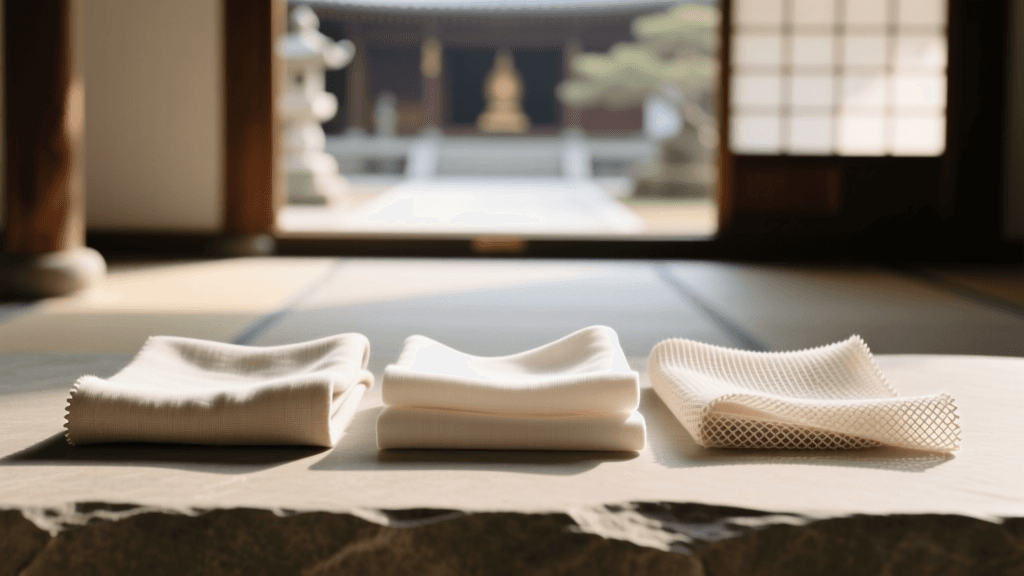
The modern distribution centers and authorized retailers like Deseret Book now offer a highly specialized array of fabrics. The choice of material is no longer just about basic comfort; it is about moisture management, thermal regulation, and drape. Here is a detailed breakdown of the primary materials available in 2026.
1. Combed and Ring-Spun Cotton
Cotton remains the traditionalist's choice and the most widely recognized garment material. The 2026 iterations utilize ring-spun, combed cotton, which removes short fibers and impurities, resulting in a noticeably softer and smoother yarn than standard cotton. It is highly breathable and excellent for individuals with sensitive skin or those living in temperate climates. However, pure cotton can retain moisture during heavy exertion and may experience slight shrinkage if not washed according to care instructions.
2. Modal and MicroModal Blends
Derived from the pulp of sustainably harvested beech trees, modal is a semi-synthetic rayon that has revolutionized formal and professional temple wear. Modal fabrics offer a silk-like drape, making them the premier choice for women wearing tailored blouses or men wearing fitted business suits, as the fabric resists bunching and pilling. In 2026, MicroModal blends are engineered to be exceptionally lightweight, resistant to shrinking, and incredibly soft against the skin, providing a luxurious feel that rivals high-end secular activewear.
3. Nylon and Spandex Athletic Blends
For members with highly active lifestyles, nylon-spandex blends are the gold standard. These garments feature high stretch recovery, meaning they move seamlessly with the body during sports, hiking, or manual labor without losing their shape. The nylon provides exceptional durability and a cool-to-the-touch sensation, while the spandex ensures the garment stays securely in place without riding up or shifting, which is vital for maintaining the proper alignment of the sacred markings.
4. Cooling Mesh and Performance Polyesters
Designed specifically for high-heat environments, tropical climates, or intense summer months, mesh garments utilize a micro-perforated polyester weave. This textile engineering allows for maximum airflow and rapid moisture-wicking. While they offer less opacity than cotton or modal, they are indispensable for members living in regions like the American Southwest, Central America, or Southeast Asia, where heat exhaustion is a genuine concern.
2026 Fabric Comparison Chart
| Material | Best Use Case | Breathability | Durability & Care |
|---|---|---|---|
| Combed Cotton | Everyday wear, sensitive skin, temperate climates | High | Moderate (Prone to slight shrinkage) |
| Modal Blend | Professional attire, formal wear, tailored clothing | Medium-High | High (Resists pilling and shrinking) |
| Nylon/Spandex | Athletics, gym workouts, active manual labor | Medium | Very High (Excellent stretch recovery) |
| Cooling Mesh | Hot climates, summer months, high-humidity areas | Very High | Moderate (Requires gentle washing) |
Modern Styles and 2026 Silhouette Updates
The Church has continually refined the outer patterns of the garments to ensure they remain hidden beneath contemporary secular clothing while maintaining modesty and covenant alignment. The official Temple Preparation guidelines emphasize that garments should be worn consistently, and the 2026 style updates reflect a deep understanding of modern wardrobe challenges.
Women's Specific Updates
Women's garments in 2026 feature a diverse array of necklines and sleeve lengths designed to remain invisible under modern fashion. The standard V-neck and scoop-neck options have been widened slightly to accommodate broader collars, while cap-sleeve and camisole-style cuts prevent sleeve lines from showing under tight t-shirts or sleeveless tops (when worn with appropriate modest outer layers). Furthermore, the 2026 catalog includes highly specialized maternity and nursing garments. These feature expandable abdominal panels and discreet, reinforced nursing clips that allow new mothers to maintain their covenants comfortably through the third trimester and postpartum periods without compromising the sacred markings.
Men's and Athletic Styles
Men's styles continue to offer the classic crew neck and V-neck options, but the 2026 athletic cuts have seen significant upgrades. Raglan sleeves are now standard on athletic tops to prevent shoulder chafing during weightlifting or swimming. For the bottoms, longer inseams and laser-cut hems prevent the fabric from riding up the thigh during running or cycling, ensuring the markings remain properly positioned over the knee and navel areas.
Sizing, Fit, and Purchasing Guide
Acquiring temple garments requires a valid, unexpired temple recommend or a signed approval from a local bishopric. As of 2026, members can purchase garments through local Church Distribution centers, authorized retailers like Deseret Book, or directly via the Official Church Distribution Store online portal.
Pricing in 2026 reflects the cost of advanced textile manufacturing. Standard cotton garments typically range from $9.00 to $10.50 per piece (top or bottom). Premium fabrics, such as MicroModal blends and specialized athletic mesh, command a slight premium, generally pricing between $11.50 and $13.50 per piece. Maternity and custom-tailored options may cost slightly more due to the additional fabric and specialized stitching required.
When sizing, it is crucial to measure accurately. Garments are not meant to be worn as compression wear; they should fit comfortably against the skin without excessive tightness, which can cause the fabric to stretch out, distort the markings, and degrade the elastic fibers prematurely. Distribution center attendants in 2026 are equipped with digital measuring guides to help members find the exact fit across the expanded size matrix, which now includes more inclusive tall, petite, and plus-size options.
Garment Care and Longevity
Proper care is essential to maintain the structural integrity of the modern fabrics used in 2026. Because these garments are worn daily, they endure significant friction and exposure to body oils.
- Washing: Always wash garments in cold or warm water using a mild detergent. Avoid chlorine bleach entirely, as it degrades the spandex in athletic blends, weakens modal fibers, and can alter the visibility of the sacred markings.
- Drying: Tumble dry on a low heat setting or air dry. High heat is the enemy of modern elastane and spandex; it will melt the micro-fibers, causing the garment to lose its shape and elasticity permanently.
- Storage: Fold garments neatly rather than hanging them, especially the bottoms, to prevent the waistbands from stretching out over time.
- Retiring Garments: When garments become worn, thin, or damaged beyond repair, members are instructed to respectfully retire them by cutting out the sacred markings and disposing of them privately, ensuring the symbols are never discarded in a recognizable state.
Conclusion
The 2026 landscape of LDS temple garments represents a beautiful harmony between ancient covenants and modern innovation. By offering a wide spectrum of materials—from breathable cotton and luxurious modal to high-performance mesh—the Church ensures that members across all walks of life, climates, and professions can wear their sacred reminders with comfort and confidence. Understanding the unique properties of each fabric and style allows members to make informed choices, ensuring that their temple clothing supports both their spiritual devotion and their active, modern lifestyles.