Oaxacan Cochineal Rebozos: 2026 Sourcing & Style Guide
The Enduring Legacy of the Oaxacan Rebozo
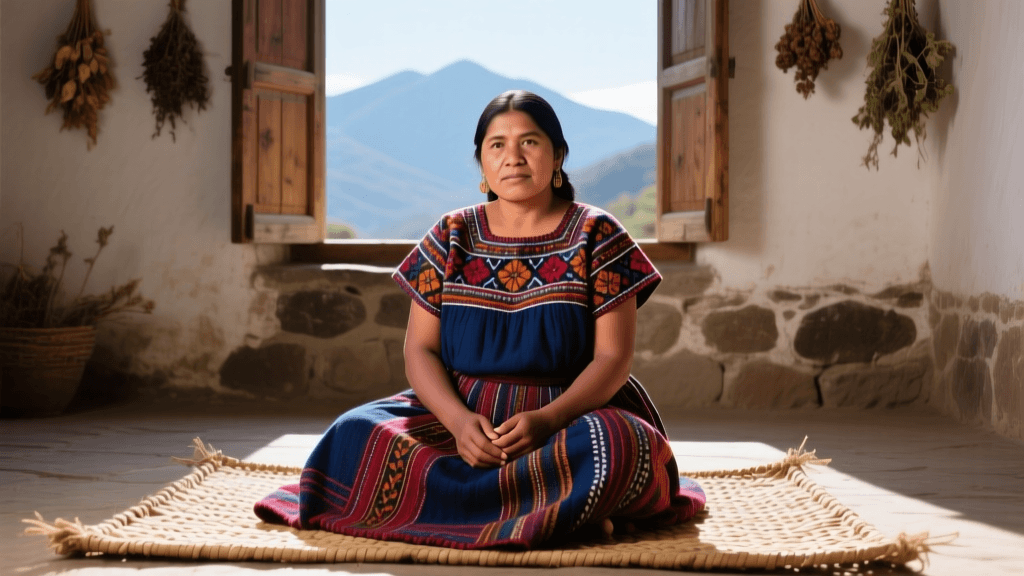
The rebozo is far more than a simple shawl; it is a profound symbol of Mexican identity, indigenous resilience, and masterful textile engineering. In the state of Oaxaca, the creation of these garments represents a continuous lineage of pre-Columbian knowledge merged with colonial influences. As we navigate the slow fashion and heritage textile markets in 2026, the Oaxacan rebozo has seen a massive resurgence among collectors, ethical fashion enthusiasts, and cultural preservationists. However, this surge in popularity has also flooded the market with mass-produced, synthetic imitations. Understanding the intricate processes behind traditional Latin American garments is essential for anyone looking to invest in authentic pieces this year.
This comprehensive 2026 buyer's guide will walk you through the alchemy of natural dyes, the structural differences in weaving techniques, and how to ethically source authentic cochineal-dyed rebozos directly from Oaxacan artisans. Whether you are a textile collector or seeking a meaningful, sustainable garment, knowing the origins and methods of these creations ensures your purchase supports the communities that keep these ancestral arts alive.
The Alchemy of Cochineal: Nature's Vibrant Red
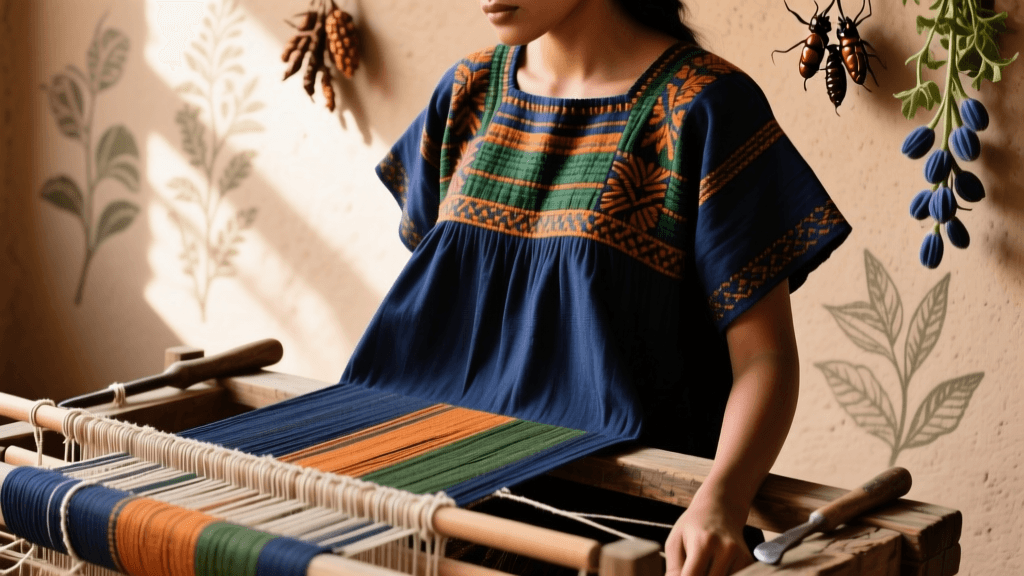
The soul of a premium Oaxacan rebozo often lies in its color, and no dye is more revered than cochineal. Derived from the Dactylopius coccus insect, which lives parasitically on the nopal (prickly pear) cactus, cochineal produces a staggering spectrum of reds, pinks, purples, and oranges. According to the Smithsonian Folklife Festival archives, cochineal was so highly prized by the Aztec Empire that it was used as a form of tribute and currency, later becoming one of the most valuable exports to Europe during the colonial era.
In 2026, the cultivation and extraction of cochineal remain a painstaking, labor-intensive process. Artisans carefully harvest the insects by hand, dry them in the sun, and grind them into a fine powder. The true magic, however, happens in the dye vat. The color produced by cochineal is highly sensitive to pH levels and mordants:
- Alum and Cream of Tartar: Used as a base mordant to bind the dye to the cotton or wool fibers, yielding a classic, vibrant crimson.
- Acidic Modifiers (Lime Juice or Hibiscus): Adding an acid shifts the dye toward bright oranges and fiery corals.
- Alkaline Modifiers (Wood Ash or Baking Soda): Introducing an alkaline substance deepens the color into rich burgundies, plums, and deep purples.
- Iron (Rusty Nails or Ferrous Sulfate): Used to 'sadden' the color, creating muted maroons, dark browns, and almost black hues.
Due to climate fluctuations in late 2025 that impacted nopal cactus yields in the Central Valleys of Oaxaca, authentic cochineal has become slightly more exclusive in 2026. This makes garments dyed with pure, unadulterated cochineal highly sought after and inherently more valuable than in previous years.
Backstrap Weaving vs. Pedal Loom: Understanding the Craft
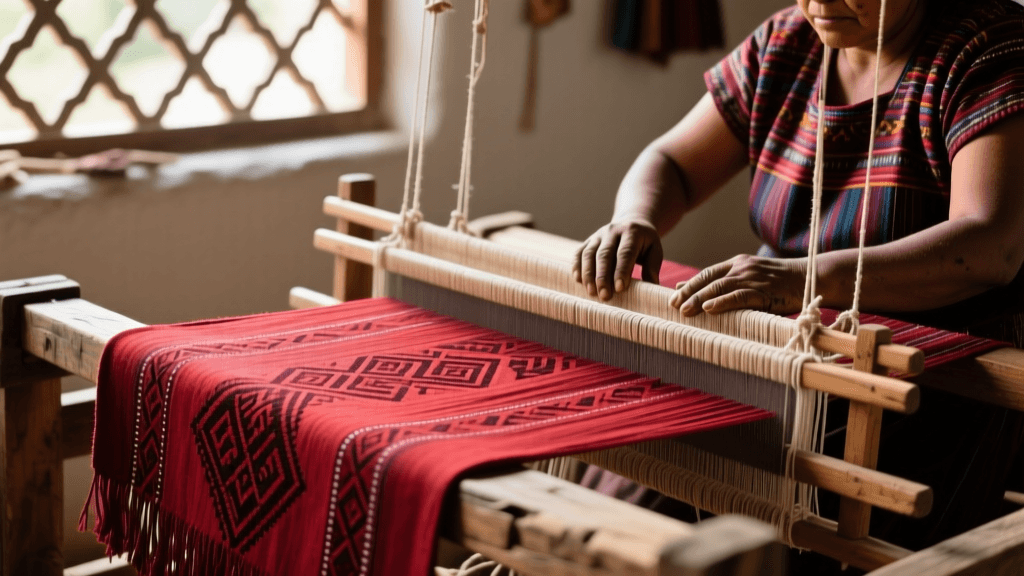
When sourcing a rebozo, the weaving technique dictates not only the price but the drape, durability, and cultural significance of the garment. In Oaxaca, you will primarily encounter two methods:
The Backstrap Loom (Telar de Cintura)
This pre-Hispanic technique involves tying one end of the loom to a fixed post and the other to a strap around the weaver's lower back. The weaver uses their body weight to control the tension of the warp threads. Backstrap weaving produces a dense, narrow, and incredibly durable fabric. Because the width is limited by the weaver's reach, creating a wide rebozo requires weaving multiple panels and joining them with a meticulous, nearly invisible hand-stitched seam called a randa. A master weaver can spend three to six months on a single, complex backstrap rebozo.
The Pedal Loom (Telar de Pedal)
Introduced by the Spanish in the 16th century, the pedal loom is a large wooden frame operated with foot pedals. This method allows for wider, continuous pieces of fabric and a faster production time. While pedal loom rebozos are beautiful and more accessible, they generally lack the extreme tensile density and intricate brocade capabilities of the backstrap loom. Communities like Teotitlán del Valle and Mitla are famous for their pedal loom mastery, particularly when working with wool and heavy cotton blends.
2026 Market Guide: Pricing, Grading, and Ethical Sourcing
Navigating the textile market in 2026 requires a discerning eye. The price of an Oaxacan rebozo is determined by the loom type, the complexity of the weave (such as the rapacejo, or hand-knotted fringe), and the origin of the dyes. Below is a structured breakdown of what you should expect to pay for authentic pieces in the current market.
| Textile Grade | Loom Type | Dye Source | 2026 Average Price (USD) |
|---|---|---|---|
| Commercial / Tourist | Pedal Loom | Synthetic / Aniline | $45 - $85 |
| Artisan Standard | Pedal Loom | Natural Indigo / Marigold | $120 - $280 |
| Master Weaver | Backstrap | Pure Cochineal & Wild Cotton | $450 - $950+ |
| Museum / Heirloom | Backstrap | Cochineal, Indigo, Caracol Purpura | $1,500 - $3,500+ |
Note: The inclusion of Caracol Purpura (a rare purple dye from sea snails) is heavily regulated and incredibly rare, reserved for the highest tier of heirloom garments.
Verified Ethical Cooperatives to Support in 2026
To ensure your money directly benefits the artisans and preserves traditional techniques, bypass middlemen and resort boutiques. Instead, seek out verified cooperatives and cultural institutions. The Museo Textil de Oaxaca (MTO) is an invaluable resource; their on-site shop and affiliated network guarantee that textiles are sourced ethically, with full transparency regarding the artisan and the materials used.
Another exceptional organization is Colectivo 1050°, an NGO and fair-trade collective that works directly with indigenous pottery and textile communities across Oaxaca. Purchasing through their network ensures that weavers receive a living wage and that the intellectual property of their ancestral designs is protected against cultural appropriation.
Spotting Fakes: Synthetic vs. Natural Dyes
As the demand for 'natural' and 'sustainable' fashion peaks in 2026, so does the prevalence of greenwashing. Many vendors in tourist markets will claim a rebozo is dyed with cochineal when it is actually dyed with synthetic aniline reds. Here is how to tell the difference:
- The Smell Test: Synthetic dyes often carry a faint, chemical, or metallic odor, especially when the fabric is rubbed or warmed by your hands. Natural dyes smell earthy, like dried herbs, wood smoke, or damp soil.
- Color Variation: Synthetic dyes are unnaturally uniform. A genuine cochineal-dyed rebozo will have subtle, beautiful variations in color depth, especially along the warp threads, due to the organic nature of the dye bath.
- The Rub Test: While natural dyes can bleed slightly on the first wash, synthetic reds often rub off onto your skin immediately if the fabric is damp or if you rub it vigorously with a white cloth.
- Price Reality: If a vendor is selling a 'cochineal' rebozo for $40, it is synthetic. The raw cost of dried cochineal insects alone makes a low price point mathematically impossible for a genuine piece.
The Art of the Rapacejo (Fringe)
A defining feature of the traditional Mexican rebozo is the rapacejo, the intricately knotted fringe at both ends of the garment. This is not merely decorative; it is a structural necessity that prevents the warp threads from unraveling. The art of tying the rapacejo, known as anudar, is a specialized skill often performed by a different artisan than the weaver. In 2026, master anudadoras in Santa María del Río and Oaxacan weaving villages can spend up to 40 hours tying a single, complex fringe featuring geometric patterns, names, or even small animals. When inspecting a high-end rebozo, examine the fringe closely; the knots should be tight, uniform, and mathematically precise.
Caring for Your Natural-Dyed Textile
Owning a cochineal-dyed rebozo is an investment in living history, and proper care is essential to maintain its vibrancy for generations. Natural dyes are more sensitive to modern laundry chemicals than synthetic ones.
- Washing: Never use commercial laundry detergents, which are highly alkaline and will drastically alter the pH, potentially turning your deep red rebozo into a muddy brown. Instead, hand wash in cold water using a pH-neutral soap, such as baby shampoo or a specialized textile wash like Eucalan.
- Drying: Never wring or twist the fabric, as this can break the hand-spun fibers. Gently press the water out by rolling the rebozo in a clean, dry towel. Lay it flat to dry in a shaded, well-ventilated area. Direct sunlight will rapidly fade natural cochineal and indigo.
- Storage: Store your rebozo folded in a breathable cotton bag or wrapped in acid-free tissue paper. Avoid plastic bags, which trap moisture and can lead to mildew. Keep cedar blocks or dried lavender in the storage area to naturally repel moths without using harsh chemical mothballs that can react with the natural mordants.
Conclusion
The Oaxacan cochineal rebozo is a masterpiece of Latin American textile art, embodying centuries of indigenous science, mathematics, and aesthetic brilliance. As the global fashion industry continues to grapple with sustainability and ethical production in 2026, these heritage garments offer a profound alternative to fast fashion. By understanding the intricate dyeing processes, recognizing the value of backstrap weaving, and committing to ethical sourcing through verified cooperatives, you do more than acquire a beautiful garment. You become an active participant in the preservation of Oaxaca's rich cultural tapestry, ensuring that the vibrant reds of the cochineal continue to be woven for generations to come.