Authentic Maya Huipil Brocade: 2026 Ethical Sourcing Guide
The Enduring Legacy of the Maya Huipil
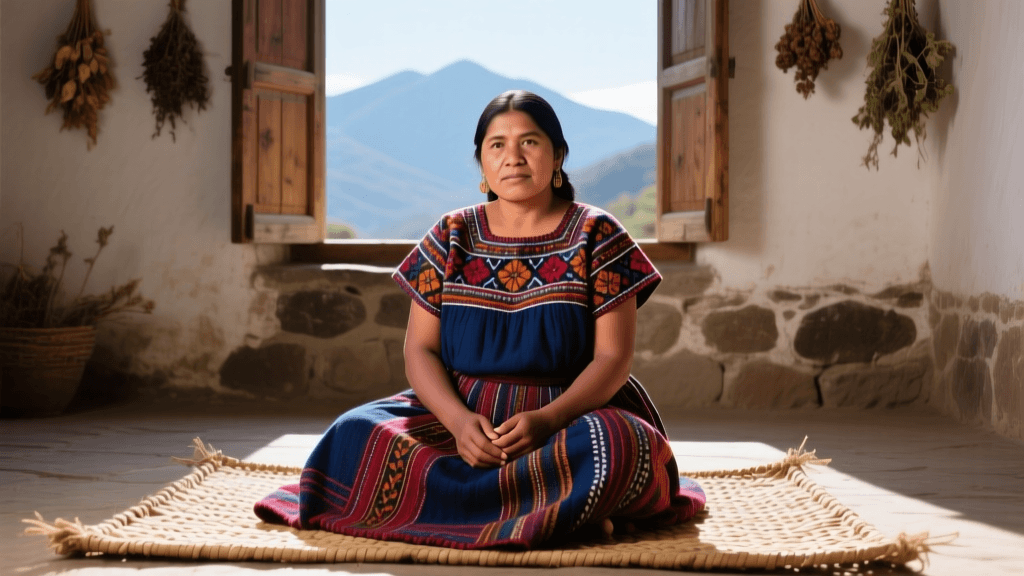
The huipil is far more than a traditional garment; it is a wearable codex, a living archive of Mesoamerican history, cosmology, and indigenous identity. Worn primarily by Maya women across Guatemala and southern Mexico, the huipil has been a cornerstone of Latin American textile arts for centuries. As we navigate the global slow fashion landscape in 2026, the demand for authentic, handwoven indigenous garments has reached unprecedented heights. However, this surge in popularity brings a critical responsibility for collectors, designers, and conscious consumers to prioritize ethical sourcing and cultural preservation.
According to the Smithsonian National Museum of the American Indian, indigenous textiles serve as vital markers of community affiliation, marital status, and spiritual belief. In 2026, the intersection of traditional craftsmanship and modern ethical supply chains offers a unique opportunity to support artisan livelihoods while acquiring museum-quality textile arts. This comprehensive guide explores the intricate brocade techniques of the Maya backstrap loom, outlines regional variations, and provides an actionable framework for ethically sourcing authentic huipiles in today's market.
The Anatomy of Brocade: Supplementary Weft vs. Embroidery
To truly appreciate the value of a Maya huipil, one must understand the technical mastery required to create it. The most prized huipiles feature brocado (brocade), a complex weaving technique that is frequently—and incorrectly—confused with embroidery by untrained buyers.
The Backstrap Loom (Telar de Cintura)
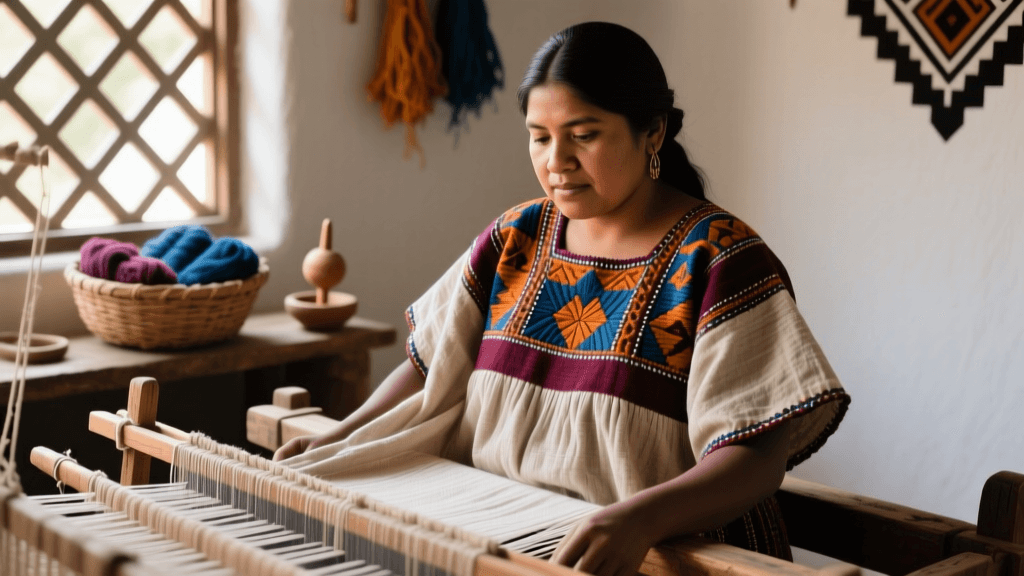
The traditional Maya huipil is woven on a backstrap loom, an ancient technology where one end of the warp is attached to a fixed post or tree, and the other is secured to a belt around the weaver's waist. The weaver's body provides the tension, allowing for an intimate, rhythmic connection between the artisan and the textile. This method naturally produces narrow panels (usually 18 to 24 inches wide), which are then hand-stitched together using a decorative randa (joinery stitch) to form the wider garment.
Supplementary Weft Technique
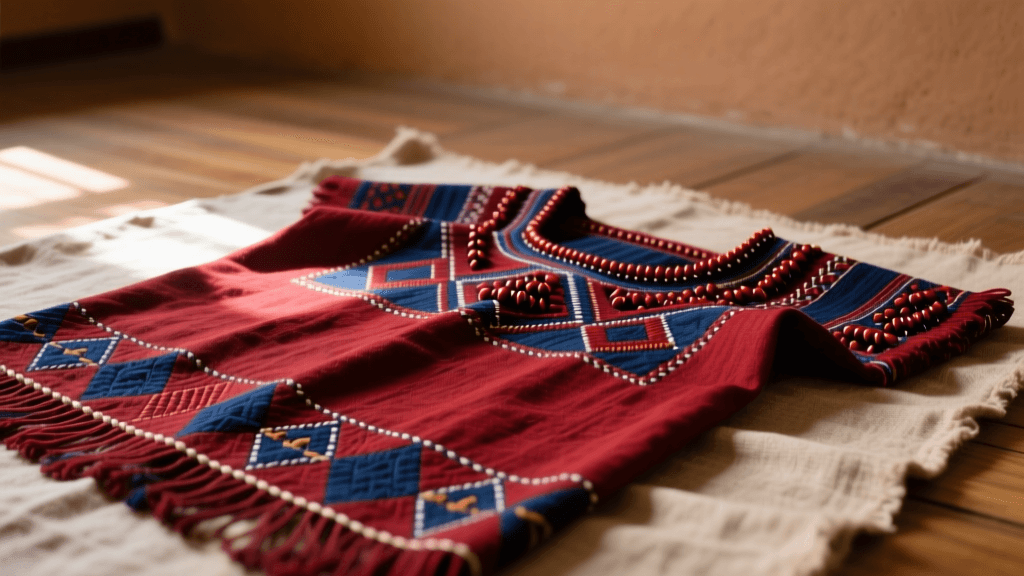
Brocade is a supplementary weft technique. Instead of adding decorative threads to a finished piece of cloth (as in embroidery), the weaver introduces additional, often vibrantly colored or metallic threads during the weaving process itself. Using a small stick or bone pick, the artisan manually manipulates the warp threads to create intricate geometric, floral, or zoomorphic patterns that are structurally integrated into the fabric. In 2026, master weavers in cooperatives are combining ancestral brocade methods with sustainably sourced, colorfast mercerized cotton and recycled metallic yarns, ensuring the garments are both culturally authentic and highly durable.
Regional Variations: A Map of Textile Identity
Every Maya municipality possesses a distinct textile dialect. Understanding these regional signatures is essential for authenticating and valuing huipiles in the 2026 market.
- Sololá: Known for heavy, durable cotton and deep, rich colors. The brocade patterns often feature tight geometric grids and stylized birds, reflecting the region's highland climate and agricultural heritage.
- Nahualá: Huipiles from this K'iche' Maya community are instantly recognizable by their bold, contrasting colors and prominent use of star motifs, double-headed eagles, and stylized horses. The weaving is exceptionally dense, providing warmth in the chilly highlands.
- Chichicastenango: Often considered the pinnacle of ceremonial weaving, these garments feature expansive, intricate floral and avian brocade work, frequently accented with velvet appliqués and elaborate hand-stitched randa seams.
- San Juan Cotzal (Ixil Triangle):strong> Famous for their use of natural dyes and the integration of coyuche (naturally brown indigenous cotton). The Ixil brocade often depicts the 'Tree of Life' and local flora, making them highly sought after by textile collectors.
2026 Fair Trade Pricing and Investment Guide
The pricing of authentic huipiles has evolved significantly. In 2026, fair-trade cooperatives and ethical sourcing platforms have established transparent pricing models that ensure living wages for the weavers. The days of haggling for pennies in tourist markets are being replaced by direct-to-consumer cooperative models that value time, skill, and materials.
| Garment Classification | Weaving Time | Materials & Dyes | 2026 Fair Trade Price (USD) |
|---|---|---|---|
| Everyday Huipil (Diario) | 4 - 8 Weeks | Commercial Cotton, Synthetic Brocade | $140 - $220 |
| Semi-Formal / Market Day | 2 - 4 Months | Mercerized Cotton, Metallic Threads | $300 - $550 |
| Ceremonial Huipil | 5 - 8 Months | Silk/Cotton Blends, Natural Dyes | $800 - $1,500+ |
| Vintage / Antique (Pre-1990) | Historical | Hand-spun Cotton, Cochineal/Indigo | $1,200 - $4,000+ |
Note: Prices reflect direct purchases from verified fair-trade cooperatives or ethical galleries in 2026. Purchasing through middlemen or unverified online marketplaces often results in either exploited artisan wages or the acquisition of machine-made counterfeits.
Ethical Sourcing and Digital Traceability in 2026
The most significant advancement in Latin American textile sourcing over the last few years is the implementation of digital traceability. Leading cooperatives, supported by organizations like the World Fair Trade Organization (WFTO), now utilize blockchain-backed artisan passports. When you purchase a high-end huipil in 2026, it frequently arrives with a scannable QR code woven into the tag or printed on recycled seed paper. This digital passport reveals the name of the weaver, her specific village, the hours logged on the backstrap loom, and the exact breakdown of how your purchase supports community initiatives like girls' education and clean water projects.
For buyers looking to source ethically, it is imperative to verify that the vendor is a certified member of recognized bodies such as the Fair Trade Federation. These organizations conduct rigorous annual audits to ensure that indigenous intellectual property is respected and that cultural appropriation is actively combated through equitable profit-sharing.
How to Spot Machine-Made Counterfeits
As the aesthetic of indigenous textiles has been co-opted by fast-fashion brands, the market is flooded with power-loom imitations. Use these actionable steps to verify authenticity:
- Inspect the Reverse Side: True brocade will show a distinct, slightly textured 'float' of threads on the back of the fabric where the supplementary weft was picked. Machine embroidery will show a uniform backing or bobbin thread, and printed fabrics will show the pattern faintly bleeding through to the reverse.
- Check the Selvedge: Handwoven panels on a backstrap loom have perfectly finished, natural selvedge edges on the sides. If the edges are raw, hemmed, or serged, the fabric was cut from a large bolt of machine-woven cloth.
- Look for the Randa: Authentic huipiles are made of two or three narrow panels joined together. Look for the intricate, hand-stitched randa seam running vertically down the garment. Machine-made fakes are often printed with a line that merely mimics this seam.
- Assess the Symmetry: While master weavers possess incredible precision, handwoven textiles possess a 'human heartbeat'—minor, beautiful irregularities in tension and pattern alignment that machines cannot replicate.
Preservation and Care for Handwoven Textiles
Investing in an authentic Maya huipil requires a commitment to proper textile conservation. The heavy cottons and metallic threads used in modern brocade are durable, but they demand specific care to maintain their structural integrity and vibrancy.
- Washing: Never machine wash or dry clean a handwoven huipil. The agitation can distort the warp tension and cause metallic threads to tarnish or snap. Hand wash in cold water using a pH-neutral detergent or specialized textile wash.
- Drying: Never wring or twist the fabric, as this breaks the delicate supplementary weft threads. Gently press the water out between two clean, dry towels, and lay the garment flat to dry in the shade. Direct sunlight will rapidly degrade natural dyes like cochineal and indigo.
- Storage: Store your huipil flat or gently rolled around an acid-free cardboard tube to prevent permanent creasing along the fold lines. Avoid wire hangers, which can stretch the heavy cotton and distort the neckline over time.
Conclusion: Wearing History with Integrity
The Maya huipil is a testament to the resilience and genius of indigenous women who have preserved their cosmological narratives through the warp and weft of the backstrap loom. As the textile market continues to evolve in 2026, the power to protect these traditions lies in the hands of the consumer. By prioritizing direct cooperative relationships, demanding digital traceability, and educating ourselves on the technical nuances of supplementary weft brocade, we can ensure that the acquisition of these magnificent garments serves as an act of cultural preservation rather than exploitation. When you drape a handwoven huipil over your shoulders, you are not just wearing a piece of clothing; you are honoring a living, breathing lineage of Mesoamerican artistry.