LDS Temple Garments 2026: Sacred Meaning, Styles, and Cultural Roots

The Intersection of Faith and Fabric in the Americas
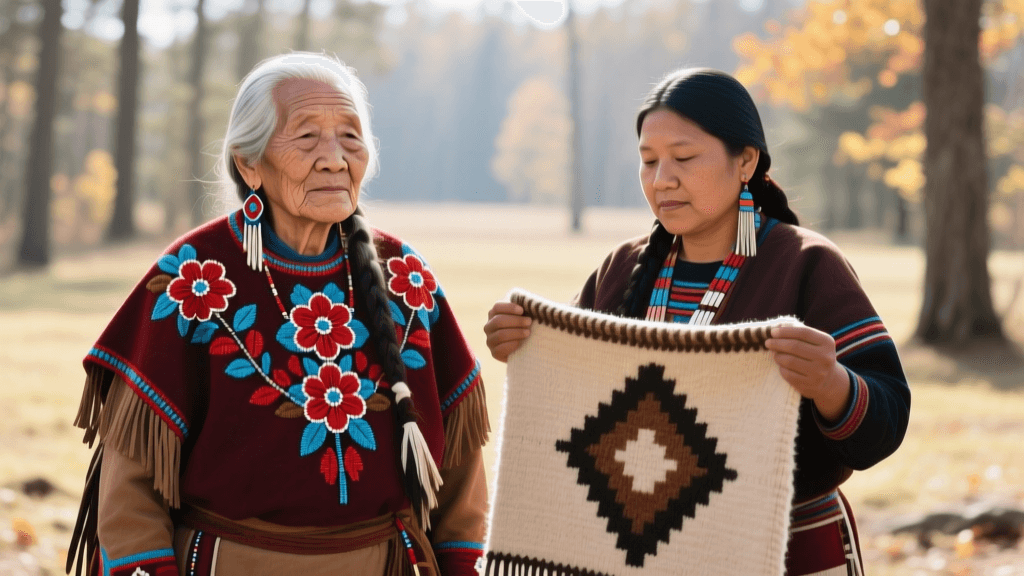
Across the Americas, clothing has long served as a powerful marker of cultural identity, spiritual devotion, and community belonging. From the intricate beadwork and regalia of Indigenous North American tribes to the plain, modest dress of Anabaptist communities, what a person wears often communicates their deepest values to the world. However, some of the most profound religious clothing traditions are those that remain entirely hidden from public view. For millions of members of The Church of Jesus Christ of Latter-day Saints (often referred to as Mormons), the temple garment represents a deeply personal, sacred commitment. As we navigate the cultural and religious landscape in 2026, understanding the significance, evolution, and modern iterations of LDS temple garments provides a unique window into how faith is woven into the very fabric of daily life.
Historical Origins and the Nauvoo Era
The origins of the temple garment trace back to the early 1840s in Nauvoo, Illinois. During this formative period, Joseph Smith, the founder of the Latter-day Saint movement, introduced the temple endowment—a sacred ceremony involving covenants (promises) made between the individual and God. As part of this ceremony, participants were clothed in a special undergarment. According to the Church's historical records, the initial garments were one-piece, long-sleeved, and full-length union suits, reflecting the standard underclothing styles of the 19th century. As detailed in the Church's official historical volume, Saints, Volume 1: The Standard of Truth, the introduction of these sacred vestments was designed to provide a constant, physical reminder of the spiritual covenants made within the walls of the temple.
Over the decades, as secular fashion and textile manufacturing evolved, the Church adapted the physical design of the garment to meet the practical needs of its members while preserving its sacred function. The transition from a one-piece suit to the modern two-piece design (a separate top and bottom) occurred in the early 20th century, allowing for greater mobility and comfort in an increasingly active and industrialized world.
The Sacred Symbolism of the Marks
What distinguishes a temple garment from ordinary underclothing is the presence of specific woven or embroidered marks. These symbols are not merely decorative; they are deeply allegorical, serving as mnemonic devices to remind the wearer of their spiritual promises. While the exact nature of these marks is considered sacred and is not typically discussed in casual or secular settings by faithful members, their general symbolic meanings have been outlined in Church teachings and the Gospel Topics essays on Temples.
- The Square: Represents honor, integrity, and the moral uprightness expected of the wearer in their dealings with others.
- The Compass: Symbolizes an undeviating course toward eternal truth and the desire to keep one's passions and desires within the bounds set by God.
- The Navel Mark: Serves as a reminder to never sever the spiritual ties that bind the individual to the divine, emphasizing continuous spiritual nourishment.
- The Knee Mark: Represents the willingness to bow the knee and submit one's will to the Almighty, acknowledging God as the source of all power and grace.
For the wearer, these marks transform a simple piece of cotton or modal fabric into a wearable sanctuary, a private shield that offers spiritual comfort throughout the trials of daily life.
Cultural Identity and the Concept of Spiritual Armor
In contemporary Latter-day Saint culture, the garment is frequently referred to as the 'armor of God.' Church leaders consistently teach that while the garment does not possess magical or physical protective properties, the act of wearing it faithfully invites the Spirit and provides a psychological and spiritual barrier against the temptations of the modern world. In 2026, as digital media and secular influences permeate every aspect of society, many Latter-day Saints view the garment as an essential anchor to their faith.
Culturally, the garment also dictates standards of modesty. Because the garment covers the torso and upper thighs, members who wear it naturally adopt clothing styles that accommodate these dimensions. This results in a cultural norm of modesty—avoiding low-cut necklines, sleeveless shirts, and short shorts—not merely as a rule of fashion, but as a practical necessity to keep the sacred garment covered and respected. This shared standard creates a subtle but powerful sense of solidarity and mutual recognition among members across the globe.
2026 Garment Styles, Materials, and Innovations
The Church's Distribution Services has continuously refined garment materials to accommodate diverse climates, lifestyles, and sensory needs. In 2026, members have access to a highly specialized range of fabrics and cuts, ensuring that the sacred clothing can be worn comfortably in almost any environment, from the humid tropics to freezing winters, and during high-intensity athletic activities.
| Fabric Type | Best For | Key Features (2026 Lineup) | Price Range (USD) |
|---|---|---|---|
| 100% Cotton | Everyday wear, sensitive skin | Breathable, traditional feel, durable, pre-shrunk | $8.50 - $10.00 |
| Cotton/Poly Blend | Office wear, travel | Wrinkle-resistant, retains shape, softer drape | $9.00 - $11.00 |
| Modal (Beechwood) | Hot climates, formal wear | Ultra-soft, lightweight, moisture-wicking, cool to touch | $11.50 - $13.00 |
| Mesh / Stretch | High heat, layering | Maximum airflow, high elasticity, virtually invisible under thin clothes | $10.00 - $12.00 |
| Athletic Performance | Sports, gym, outdoor labor | Anti-odor tech, rapid sweat evaporation, reinforced seams | $14.00 - $16.00 |
The introduction of the Athletic Performance line in recent years, now fully optimized for 2026, has been a game-changer for younger members, military personnel, and athletes. These garments feature advanced synthetic blends that prevent chafing and manage moisture, addressing historical complaints about wearing cotton during heavy physical exertion. Furthermore, the Church offers specialized cuts for women, including V-neck, scoop-neck, and cap-sleeve options, ensuring the garments remain hidden beneath contemporary fashion trends while maintaining the required coverage.
Purchasing, Sizing, and Respectful Retirement
Unlike ordinary clothing, temple garments cannot be purchased in standard retail stores. They are exclusively available through the Church's official distribution channels, either in person at local Distribution Centers or via the official online Church Store. To purchase them, a member must have an active temple recommend, which is verified digitally at the point of checkout. This restriction underscores the sacred nature of the item; it is not a commodity for public consumption but a reserved vestment for covenant-keeping members.
Sizing in 2026 is highly precise, with modular options allowing members to mix and match top and bottom sizes. The Church provides detailed digital measuring guides on their app to ensure a proper fit, which is crucial for both comfort and the correct placement of the symbolic marks.
When a garment becomes worn, torn, or unusable, it is not simply thrown in the trash. The cultural and religious protocol for retiring a garment requires the member to carefully cut out the sacred marks. These marks are then destroyed or disposed of privately and respectfully. The remaining fabric, now stripped of its sacred symbols, can be discarded in the regular waste or repurposed as cleaning rags. This meticulous process of retirement highlights the profound reverence members hold for the symbols, ensuring they are never treated as common refuse.
Conclusion
The LDS temple garment is far more than a piece of underclothing; it is a profound expression of faith, a historical link to the religion's 19th-century roots, and a daily, tactile reminder of spiritual commitments. As textile technology advances in 2026, the Church's commitment to providing comfortable, accessible, and high-quality garments ensures that this sacred tradition remains a viable and cherished part of Latter-day Saint life. For those studying the intersection of religion and apparel in the Americas, the temple garment stands as a remarkable testament to the enduring power of sacred dress in shaping personal identity and spiritual resilience.