Diné Velvet Skirts & Shirts: 2026 Sourcing & Regional Style Guide
The Historical Roots of Diné Velvet Garments
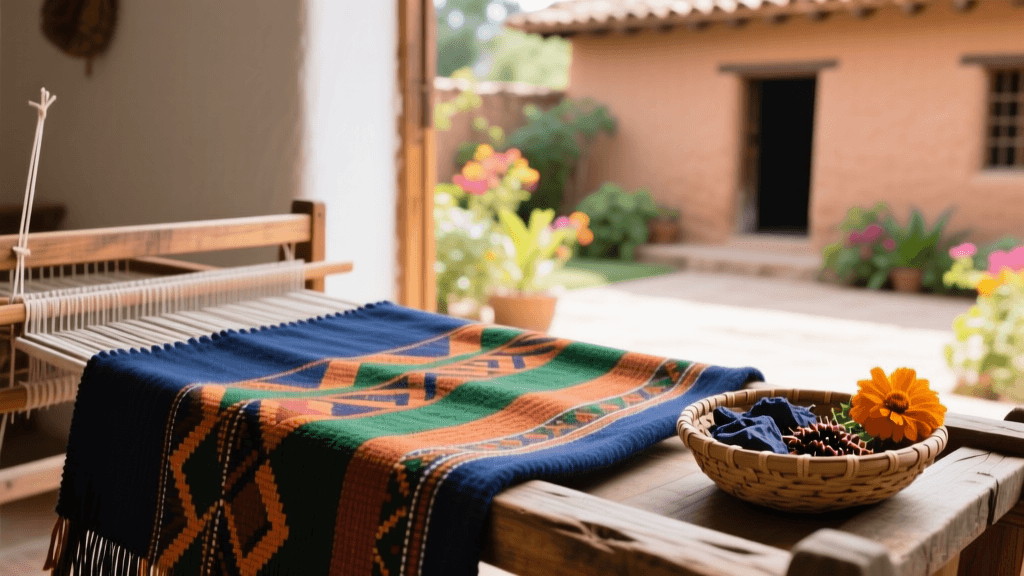
The traditional clothing of the Diné (Navajo) people is a profound testament to resilience, adaptation, and cultural continuity. While pre-colonial Diné clothing was primarily crafted from woven yucca, cedar bark, and later, hand-spun churro sheep wool, the introduction of commercial fabrics in the mid-19th century sparked a sartorial revolution. Following the tragic period of forced internment at Bosque Redondo (1864–1868), the US government issued rations that included commercial cotton and velvet fabrics.
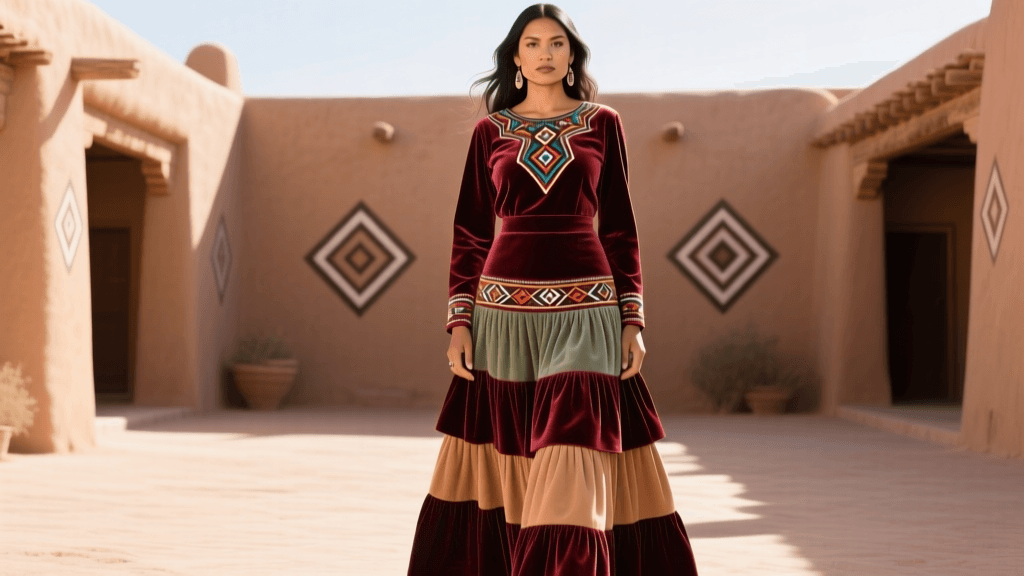
Rather than merely adopting Euro-American clothing styles, Diné women masterfully adapted these materials into garments that reflected their own aesthetic sensibilities and cultural values. Velvet, with its rich texture and deep light-absorbing qualities, quickly became a highly prized material. As noted by historians at the Metropolitan Museum of Art's Heilbrunn Timeline of Art History, the integration of trade goods like velvet, calico, and silver coins into Diné dress represents a brilliant synthesis of external materials and internal cultural identity. Today, in 2026, the velvet tiered skirt and matching long-sleeve shirt remain the quintessential formal and ceremonial wear for Diné women, worn at graduations, weddings, powwows, and political inaugurations.
Anatomy of the Traditional Tiered Skirt
The classic Diné velvet skirt is characterized by its sweeping, floor-length silhouette and structured tiers. While modern interpretations sometimes experiment with asymmetrical hems or fewer tiers, the traditional 2026 standard remains the three-tier or four-tier gathered skirt, paired with matching rickrack and bias tape accents.
Measurement and Gathering Mathematics
Creating a perfectly balanced tiered skirt requires precise mathematical planning to ensure the gathers drape elegantly without adding excessive bulk at the waist. For a standard three-tier skirt tailored for an average adult height (requiring a finished length of roughly 40 inches from waist to ankle), the fabric distribution typically follows a 1:1.5 or 1:2 gathering ratio.
- Tier 1 (Yoke/Waistband): Cut to the exact waist measurement plus 2 inches for seam allowance and ease. This tier is usually 8 to 10 inches wide and sits flat against the hips to prevent bunching under the heavy concho belt.
- Tier 2 (Middle Gather): Cut at 1.5 times the width of Tier 1. This tier provides the initial flare and is typically 12 to 14 inches wide.
- Tier 3 (Bottom Flounce): Cut at 1.5 to 2 times the width of Tier 2. This bottom tier requires the most fabric—often spanning 120 to 150 inches in circumference—to create the dramatic, sweeping movement that is the hallmark of the garment during the Navajo Shuffle dance or formal walking.
Between each tier, sewers traditionally apply wide cotton rickrack or folded bias tape. In 2026, there is a strong trend toward using contrasting colors—such as pairing deep navy velvet with metallic gold or bright turquoise rickrack—to make the geometric lines of the skirt pop in natural sunlight.
Regional Variations Across the Navajo Nation
The Navajo Nation spans over 27,000 square miles across Arizona, New Mexico, and Utah, and regional aesthetics heavily influence velvet skirt construction and styling.
Eastern Agency Styles (Window Rock, Chinle, Fort Defiance)
In the eastern regions of the Navajo Nation, skirts often lean toward a more conservative, elongated silhouette. Seamstresses in the Window Rock area frequently utilize four tiers with narrower widths, creating a column-like effect that flares dramatically only at the very bottom. Darker, jewel-toned velvets—such as burgundy, forest green, and deep plum—are highly favored here, often accented with silver-toned rickrack and elaborate turquoise beadwork integrated directly into the waistband.
Western and Northern Agency Styles (Tuba City, Kayenta, Page)
Western and Northern Diné communities often embrace bolder color blocking and wider tiers. It is common to see skirts in Tuba City featuring a black velvet top tier that transitions into a vibrant royal blue or deep red bottom tier. The rickrack used in these regions tends to be wider, sometimes incorporating double rows of contrasting bias tape to emphasize the horizontal lines of the garment. Furthermore, Northern Agency dancers often pair these skirts with slightly shorter, cropped velvet bolero jackets rather than the traditional tucked-in long-sleeve shirts, a stylistic evolution that has gained widespread popularity in 2026.
2026 Sourcing Guide: Materials and Pricing
Sourcing high-quality velvet is the most critical step in garment creation. The market has shifted significantly in recent years, with pure cotton velvet becoming a luxury textile due to global supply chain adjustments and agricultural shifts. Most contemporary Diné seamstresses now rely on high-grade cotton-polyester blend velvets (often 80% cotton, 20% polyester) which offer the rich drape of traditional cotton with the wrinkle-resistance and durability of synthetic fibers.
For those sourcing materials in 2026, local trading posts remain the cultural and commercial hubs of the Navajo Nation. Establishments like certified authentic Native art dealers and trading posts (as verified by the Indian Arts and Crafts Board) not only sell finished garments but also stock bulk notions. For online sourcing, specialized textile vendors in the Southwest offer bulk discounts for tribal members and Indigenous designers.
2026 Fabric and Notion Cost Breakdown
The following table outlines the estimated material requirements and 2026 retail costs for constructing a standard, high-quality three-tier Diné velvet skirt (Size Medium/Large).
| Material | Quantity Required | 2026 Average Unit Price | Total Estimated Cost |
|---|---|---|---|
| Cotton-Blend Velvet (54' width) | 8 to 10 Yards | $28.00 - $34.00 / yard | $224.00 - $340.00 |
| Wide Cotton Rickrack (1-inch) | 15 Yards | $3.50 / yard | $52.50 |
| Double-Fold Bias Tape (1/2-inch) | 6 Packs (3 yards each) | $4.00 / pack | $24.00 |
| Heavy-Duty Polyester Thread | 2 Spools (500m) | $6.00 / spool | $12.00 |
| Hook-and-Eye Closure (Heavy) | 1 Set | $3.50 / set | $3.50 |
| Total Material Cost | $316.00 - $432.00 |
Note: Prices reflect 2026 retail averages at Southwest fabric retailers and online Indigenous craft suppliers. Purchasing directly from wholesale trading posts in Gallup, NM, or Farmington, NM, can reduce these costs by up to 20%.
The Velvet Shirt and Silver Concho Belt
The tiered skirt is only half of the ensemble. The traditional top is a high-collared, long-sleeve velvet shirt, tucked neatly into the skirt's flat yoke. In 2026, the shirt design has seen subtle modernizations. While the classic Mandarin collar remains the standard for formal events, many younger Diné women are opting for subtle V-necks or scoop necks lined with delicate lace or turquoise beadwork, blending Victorian influences with contemporary Indigenous fashion sensibilities.
No Diné velvet ensemble is complete without the silver concho belt. Originating from the adaptation of Mexican and Plains Indian metalwork, the Navajo concho belt is a masterpiece of silversmithing. A high-quality, hand-stamped sterling silver concho belt featuring turquoise inlay can range from $3,500 to over $15,000 in 2026, depending on the reputation of the silversmith and the quality of the stones. These belts are often generational heirlooms, passed down from grandmother to granddaughter, and serve to cinch the heavy velvet skirt while providing a brilliant flash of silver at the waistline. As reported by ICT (formerly Indian Country Today), the revitalization of traditional sand-cast and tufa-cast silversmithing techniques among young Navajo artisans has led to a renaissance in belt designs that feature heavier, more rustic silverwork compared to the highly polished styles of the late 20th century.
Preservation and Care for Heirloom Garments
Given the significant financial and emotional investment in a Diné velvet outfit, proper care is paramount. Velvet is notoriously prone to crushing and water-spotting.
- Storage: Never fold a velvet skirt for long-term storage, as this will create permanent creases in the pile. In 2026, the recommended standard is to hang the skirt on a wide, padded hanger inside a breathable cotton garment bag. Stuff the tiers loosely with acid-free tissue paper to help them retain their bell shape.
- Cleaning: Avoid traditional washing machines, which can strip the velvet of its luster and cause the rickrack to bleed. Dry cleaning is the safest route for 100% cotton velvet. For cotton-poly blends, spot cleaning with a specialized velvet upholstery foam and gentle steaming to lift crushed fibers is highly effective.
- Travel: When traveling to powwows or ceremonies, roll the skirt loosely around a cardboard tube rather than folding it, and steam it immediately upon arrival to restore the fabric's natural nap.
Conclusion
The Diné velvet skirt and shirt represent far more than mere clothing; they are a wearable archive of Navajo history, a canvas for regional artistic expression, and a powerful symbol of Indigenous sovereignty and pride. Whether you are a Diné woman preparing for your Kinaaldá (coming-of-age ceremony), a seamstress looking to master the mathematics of the tiered gather, or an admirer of Indigenous textile arts, understanding the nuances of these garments deepens our appreciation for the living, breathing nature of Native American fashion in 2026.