LDS Temple Garments 2026: Cultural Meaning and Modern Styles

The Sacred Thread: Understanding LDS Temple Garments
Clothing is universally recognized as a profound expression of human identity, culture, and belief. Across the Americas and Indigenous cultures, textiles and garments have long served as markers of spiritual status, community belonging, and sacred covenants. Within the context of American-born religious traditions, few garments carry as much cultural weight, personal significance, and theological depth as the temple garments worn by members of The Church of Jesus Christ of Latter-day Saints (LDS). As of 2026, the intersection of ancient covenant-making and modern textile innovation continues to shape the daily lives of millions of Latter-day Saints across the globe.
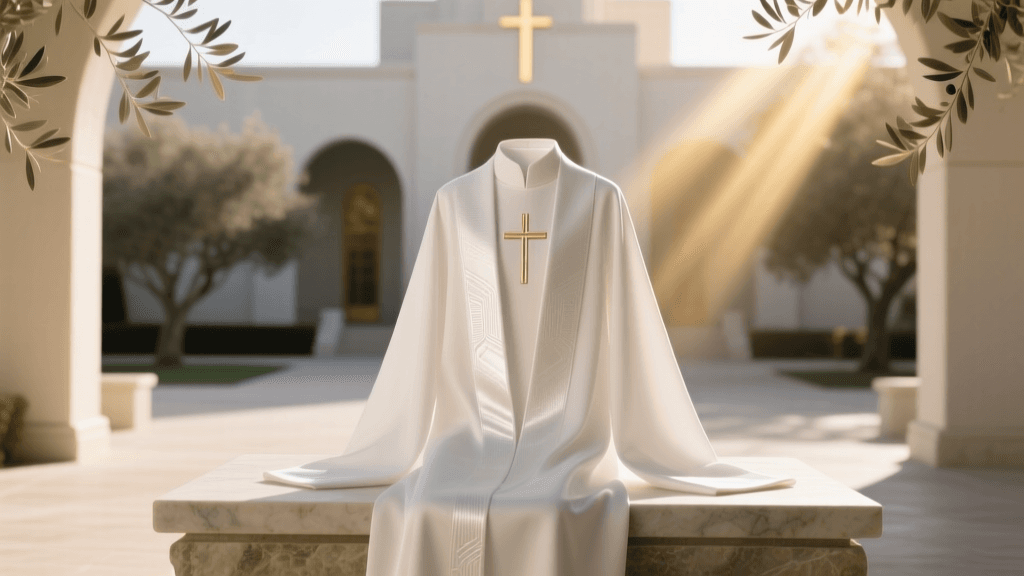
Often referred to simply as "garments" by church members, these undergarments are far more than functional clothing. They are deeply intertwined with the Latter-day Saint temple experience, serving as a continuous, physical reminder of sacred promises made to God. To understand the garment is to understand a core pillar of Latter-day Saint cultural and religious identity in the 21st century.
Historical Origins and the Endowment Covenants
The tradition of wearing sacred vestments is not unique to the Latter-day Saints; it echoes ancient Israelite priestly garments and various Indigenous American ceremonial regalia that designate spiritual readiness and purity. However, the LDS temple garment has a distinct origin tied to the early 19th-century American restoration movement. Introduced by the Prophet Joseph Smith in the 1840s in Nauvoo, Illinois, the garment was established as part of the "Endowment"—a sacred temple ordinance.
According to the Encyclopedia of Mormonism, the garment was originally a one-piece union suit that extended to the wrists and ankles, featuring specific woven marks that served as mnemonic devices. These marks correspond to the covenants made during the Endowment ceremony, representing concepts such as truth, direction, life, and humility. While the physical design of the garment has evolved significantly over the decades to accommodate modern lifestyles, the spiritual significance of the marks and the covenants they represent remains entirely unchanged.
For practicing Latter-day Saints, the garment is often conceptually linked to the "Armor of God" described by the Apostle Paul in Ephesians 6. It is viewed as a spiritual shield, offering protection against the temptations and moral compromises of the secular world. This theological framework transforms a simple piece of cotton or synthetic fabric into a vital component of a member's spiritual armor.
Cultural Significance in the Modern Era
In the cultural landscape of 2026, wearing the temple garment profoundly influences the daily routines, fashion choices, and social interactions of Latter-day Saints. Because the garment is worn beneath everyday clothing, it acts as a private, intimate boundary between the individual and the outside world. This boundary naturally encourages adherence to the Church's standards of modesty, which generally include covering the shoulders, midriff, and upper thighs.
Sociologically, the garment fosters a strong sense of in-group identity and community solidarity. When a Latter-day Saint travels, moves to a new city, or navigates a secular workplace, the knowledge that they are wearing the garment provides a psychological anchor to their faith community. It is a private devotion made public only through the subtle outward choices in modest dress and ethical behavior. Furthermore, the garment serves as an equalizer within the Church; regardless of socioeconomic status, professional rank, or cultural background, all endowed members wear the same sacred vestment, reinforcing the theological principle that all are equal before God.
2026 Innovations: Fabric, Fit, and Global Accessibility
As the Church's membership has expanded dramatically across diverse global climates—from the humid tropics of Central America to the arid regions of the American Southwest—the need for functional, comfortable, and culturally adaptable garments has grown. In 2026, the Church's distribution centers utilize advanced textile manufacturing to offer a wider array of styles than ever before, ensuring that the sacred nature of the garment is not compromised by physical discomfort.
Recent years have seen a major push toward inclusive sizing, sustainable cotton sourcing, and specialized cuts for women, athletes, and expecting mothers. The integration of moisture-wicking technologies and antimicrobial fabric treatments has revolutionized how members experience the garment in extreme heat or during rigorous physical activity. These updates reflect a broader institutional effort to make the covenant-keeping experience as accessible and practical as possible for a diverse, global membership.
Comparison of 2026 Temple Garment Styles
The Church's official distribution network currently offers several distinct styles to meet the varied needs of its members. Below is a comparison of the primary styles available in 2026:
| Garment Style | Primary Material | Best Use Case | Key Features |
|---|---|---|---|
| Classic Cotton | 100% Combed Cotton | Everyday wear, temperate climates | Traditional feel, breathable, durable, standard neckline. |
| Stretch Mesh | Cotton/Polyester/Spandex Blend | Hot climates, active lifestyles | Lightweight, moisture-wicking, form-fitting, quick-drying. |
| Women's Specific | Modal/Cotton Blend | Modern women's fashion, varied necklines | Rounded and V-neck options, cap sleeves, tailored feminine fit. |
| Athletic Compression | Synthetic Performance Blend | Sports, gym workouts, outdoor labor | Compression support, anti-chafing seams, high sweat evaporation. |
| Maternity | Stretch Cotton Blend | Pregnancy and postpartum | Expandable midsection, extra-soft fabric, accommodating fit. |
Navigating Misconceptions and Secular Curiosity
Because the temple ceremonies of the Church are kept sacred and private, the garment has historically been the subject of intense curiosity, speculation, and occasional mockery in mainstream media. The derogatory term "magic underwear" has occasionally been used by critics to dismiss the garment's significance. However, the Church has actively worked to dispel these myths through transparent educational resources.
According to the official Gospel Topics essay on Temple Garments, the garment holds no magical or mystical properties. It does not possess inherent power to protect the wearer from physical harm or illness. Instead, its "protective" nature is entirely spiritual and psychological. It serves as a visual and tactile reminder of the wearer's covenants, encouraging them to make righteous choices and avoid compromising situations. By openly addressing these misconceptions, Church leaders in 2026 continue to foster a culture of respect and understanding regarding their sacred practices.
The Intersection of Modesty, Identity, and Faith
The decision to wear the temple garment is a deeply personal commitment that follows a period of spiritual preparation. According to the Church's General Handbook, members are instructed to wear the garment throughout their lives, removing it only for activities where it would be impractical or easily damaged, such as swimming or intense athletic competition. This continuous wear requires a high degree of personal discipline and serves as a daily recommitment to one's faith.
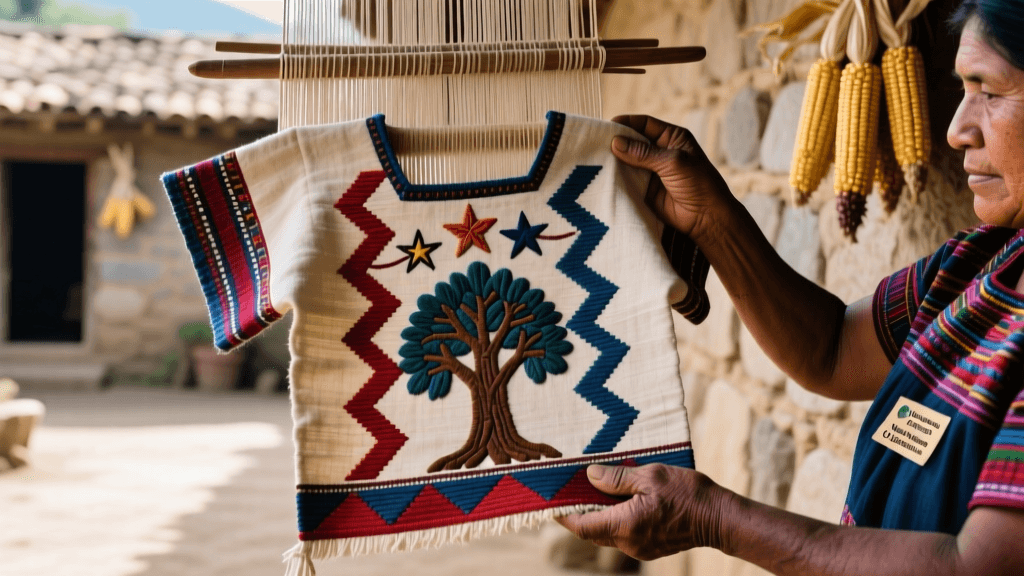
For many Indigenous and Latin American Latter-day Saints, the garment also represents a unique synthesis of their cultural heritage and their adopted faith. Just as traditional Indigenous regalia is treated with immense reverence and is often reserved for sacred ceremonies, the temple garment is treated with strict respect. Members are instructed to care for, repair, and eventually dispose of worn-out garments in a specific, reverent manner, mirroring the respect given to sacred texts or ceremonial objects in various cultures across the Americas.
Conclusion
As we navigate the complexities of the modern world in 2026, the LDS temple garment stands as a remarkable testament to the enduring power of physical symbols in spiritual life. Far from being an archaic relic, the garment has evolved in its textiles and styles while remaining fiercely anchored to its 19th-century American origins and ancient theological roots. For the millions of Latter-day Saints who wear it, the garment is a quiet, constant companion—a sacred thread woven into the very fabric of their daily lives, reminding them of who they are, the promises they have made, and the divine potential they strive to achieve.