Jingle Dress Regalia Guide 2026: Materials & Etiquette
The Healing Origins of the Jingle Dress
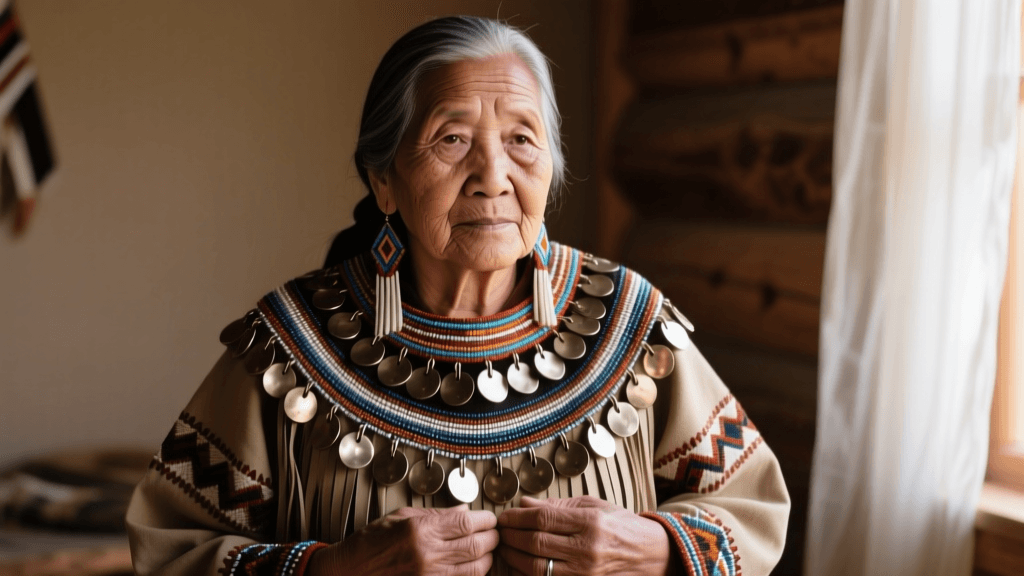
The powwow trail of 2026 is already shaping up to be one of the most vibrant and culturally significant seasons in recent memory. Across North America, from the Gathering of Nations in New Mexico to the Crow Fair in Montana, the rhythmic, rain-like sound of metal cones striking one another signals the arrival of the Jingle Dress dancers. Often referred to as the healing dance, the Jingle Dress is far more than a beautiful garment; it is a profound spiritual vessel rooted in Ojibwe (Anishinaabe) tradition. For those looking to understand, construct, or respectfully participate in this tradition, navigating the material requirements, construction techniques, and strict cultural protocols is essential.
The Jingle Dress dance originated in the early 20th century among the Ojibwe people, specifically tied to the devastating 1918 influenza pandemic. According to oral histories documented by institutions like the Smithsonian Magazine, a medicine man received a vision of a dress that could heal his sick granddaughter. The vision instructed him to create a dress adorned with metal jingles, and to have the girl dance to a specific song. Upon doing so, she was healed. The dance quickly spread from the Great Lakes region to other tribes, evolving into a pan-Indian symbol of healing, resilience, and prayer. Today, as noted by PBS Native America, the Jingle Dress remains a powerful conduit for community healing, with dancers often asked to pray for those who are sick or grieving. Understanding this spiritual weight is the first and most critical step before handling or creating the regalia.
Sourcing Authentic Materials for the 2026 Season
Constructing a Jingle Dress requires specific materials that ensure both the authentic sound and the durability needed for the rigorous powwow season. In 2026, supporting Native-owned textile and beadwork suppliers is more accessible than ever, and it is highly recommended to source your materials from Indigenous artisans and businesses whenever possible. The most critical component is the jingle itself. Traditional jingles are made from rolled tin or copper, often fashioned from the lids of snuff cans in historical contexts. Today, you can purchase pre-rolled metal jingles, but they must be metal to produce the correct rain-like sound. Plastic or aluminum substitutes are generally discouraged as they lack the proper acoustic resonance and spiritual authenticity.
The fabric of the dress is typically cotton broadcloth or calico, chosen for its breathability and ability to hold the weight of the metal cones. Velvet is frequently used for accent appliqués and ribbonwork. Below is a breakdown of the essential materials, their estimated costs for the 2026 market, and sourcing tips for your project.
| Material | Specification | Estimated 2026 Cost | Sourcing Tip |
|---|---|---|---|
| Cotton Broadcloth | 4-6 yards, 45" wide | $45 - $80 | Look for colorfast dyes to prevent bleeding during summer heat. |
| Metal Jingles | 2.5" rolled tin, 1 gross (144 pcs) | $30 - $55 | Purchase from Native-owned regalia suppliers; avoid cheap plastic. |
| Ribbon Appliqué | 100% polyester satin, 1" width | $15 - $25 | Use a hot knife to seal edges before sewing to prevent fraying. |
| Heavy-Duty Thread | Upholstery or nylon bead thread | $8 - $15 | Standard cotton thread will snap under the weight of the metal. |
| Waistband Interfacing | Heavy canvas or leather strip | $10 - $20 | Essential for distributing the 10-15 lb weight of a full dress. |
Step-by-Step Construction and Spacing Techniques
The construction of a Jingle Dress is a labor-intensive process that requires patience, precision, and respect for the garment's purpose. A standard adult dress can feature anywhere from 100 to 365 jingles, with the latter number representing the days of the year and requiring a significant amount of structural reinforcement.
Pattern Drafting and Assembly
The traditional silhouette is a simple, comfortable T-shape or a gathered skirt with a blouse, allowing for freedom of movement during the side-step and footwork required in the dance. The seams must be double-stitched or reinforced with a serger to handle the dynamic stress of dancing. Before attaching any jingles, complete all ribbonwork and fabric appliqués. This ensures that your sewing machine foot does not get caught on the metal cones during the decorative sewing phases.
Attaching and Spacing the Jingles
The placement of the jingles is what gives the dress its signature sound and visual flow. Jingles are typically arranged in horizontal rows or V-shaped patterns across the bodice and skirt. The standard spacing between each jingle is 1.5 to 2 inches. If they are placed too close together, they will tangle and muffle the sound; if placed too far apart, the dress will lack the continuous 'rain' acoustic effect.
To attach a jingle, fold the top of the cone inward to create a small loop. Thread your heavy-duty upholstery needle through the loop and then through the fabric. It is vital to tie off each jingle individually with a secure knot, such as a surgeon's knot, on the inside of the dress. Do not run a continuous thread through multiple jingles; if the thread breaks during a powwow, you risk losing an entire row of cones. Many veteran regalia makers recommend using waxed dental floss or specialized nylon bead thread for the final tie-off, as these materials resist fraying and snapping under the repetitive impact of the dance.
Powwow Etiquette and Sacred Protocol
As you enter the powwow grounds in 2026, it is imperative to remember that a Jingle Dress is not a costume; it is sacred medicine. The etiquette surrounding this regalia is strict and must be observed by dancers, spectators, and organizers alike.
- Never Touch Without Permission: It is deeply disrespectful to touch another person's regalia without explicit permission. The jingles are considered sacred, and handling them casually is a breach of protocol.
- Fallen Jingles: If a jingle falls off a dress during the dance, the dancer usually does not pick it up immediately. Depending on the specific tribal protocol, the jingle may be left on the ground until the song is finished, or it may be retrieved by a designated veteran or elder who then returns it to the dancer with a prayer or a small gift of tobacco.
- Photography Restrictions: Always ask before taking photographs. Furthermore, during specific healing songs, prayers, or honor songs, photography and audio recording are strictly prohibited out of respect for the spiritual nature of the moment.
- Substance-Free Zones: The Jingle Dress is a healing garment. It is strictly forbidden to wear the dress, or even handle it, if you have been consuming alcohol or recreational substances. Many dancers also fast or pray before putting on their regalia for a competition or healing dance.
Caring for and Storing Your Regalia
Proper maintenance ensures your regalia lasts for generations. Because the jingles are made of metal, moisture is your biggest enemy. After a powwow, especially if you danced in the rain or high humidity, gently wipe down the metal cones with a dry microfiber cloth to prevent rust. Never store a Jingle Dress in a plastic bag, as plastic traps moisture and accelerates oxidation. Instead, store the dress in a breathable cotton garment bag or wrap it in clean, unbleached muslin. Keep the dress in a cool, dry place, and periodically check the interior knots to ensure the heavy thread has not degraded. By honoring the materials, the construction process, and the sacred protocols, you help preserve the profound healing legacy of the Jingle Dress for the 2026 season and beyond.