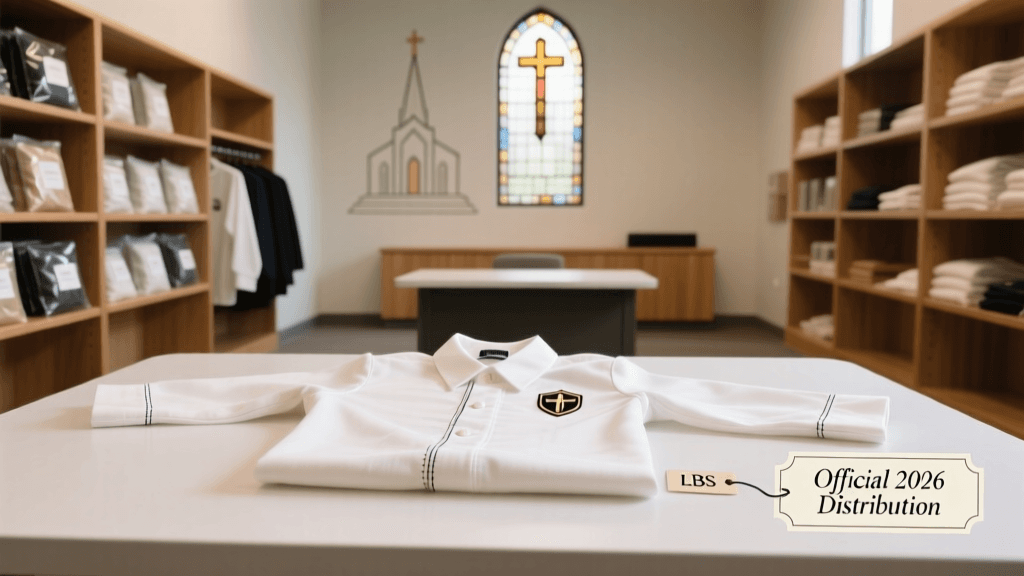
Understanding LDS Temple Garments in 2026: Meaning and Styles

The Sacred Origins and Religious Significance
For members of The Church of Jesus Christ of Latter-day Saints, temple garments represent far more than a simple undergarment. They are sacred vestments that serve as a deeply personal, constant reminder of the covenants made with God. Rooted in ancient Abrahamic traditions, the concept of sacred clothing dates back millennia. In the Book of Exodus, the Lord commanded that Aaron and his sons be clothed in sacred vestments to serve in the tabernacle, symbolizing purity, consecration, and divine protection. Today, this ancient tradition continues in Latter-day Saint temples across the globe.
Unlike outer clothing, which is often used to signal social status, wealth, or fashion trends, temple garments are worn beneath everyday attire. This hidden nature is central to their spiritual meaning. They are not meant for public display; rather, they are an intimate expression of faith. According to the official Gospel Topics essay on Temple Garments, they serve as a 'shield and a protection' to the wearer, reminding them of their commitment to live a righteous life in a modern, often secular world. Wearing the garment is a privilege extended only to adult members who have participated in the temple endowment ceremony, a sacred ordinance that introduces the deeper theological meanings behind the vestments.
The Symbolism of the Garment Marks
Woven or embroidered into the fabric of the temple garment are specific symbols, known as 'marks,' which carry profound spiritual significance. While the exact ceremony of the endowment is kept sacred and private by church members, the general symbolic meanings of these marks have been shared in public church manuals, such as True to the Faith. These symbols act as visual anchors for the wearer's spiritual journey:
- The Compass: Located on the left breast, this mark symbolizes an undeviating course in relation to the things of God, pointing the wearer toward the celestial kingdom and eternal life.
- The Square: Found on the right breast, it represents honor, integrity, and loyalty. It reminds the wearer to keep their actions and thoughts square with virtue and truth.
- The Navel Mark: Situated near the center, this symbolizes continuous nourishment and the need to constantly seek spiritual sustenance from God, much like a physical body relies on the umbilical cord for life.
- The Knee Mark: Located on the lower leg, it serves as a reminder to bow the knee in prayer, humility, and submission to the will of the Almighty.
Historical Evolution: From Union Suits to Modern Innovations
The physical design of the temple garment has evolved significantly since the mid-19th century to accommodate the changing lifestyles, climates, and needs of a global church membership. In the 1840s and 1850s, early garments were long, one-piece wool union suits that extended to the wrists and ankles, reflecting the modesty standards and harsh pioneer climates of the era. As the 20th century progressed and global mobility increased, the Church introduced the two-piece design (a separate top and bottom) for greater practicality and comfort.
Heading into 2026, the evolution of garment design has reached an unprecedented level of inclusivity and technological advancement. Over the past few years, Church leadership actively sought feedback from members worldwide, particularly women and those living in tropical or highly active environments. This resulted in a massive expansion of the official catalog. Today, the garment is not a one-size-fits-all mandate but a diverse wardrobe of sacred clothing designed to fit seamlessly into the lives of modern disciples, whether they are sitting in a corporate boardroom, hiking in humid climates, or nursing an infant.
Cultural Impact: Identity, Modesty, and Boundaries
Culturally, the temple garment plays a massive role in shaping the daily lives and identities of Latter-day Saints. It serves as a personal boundary-setter. Because the garment covers the torso and upper thighs, members naturally gravitate toward outer clothing that accommodates it, which inherently promotes a standard of modesty. However, in 2026, the cultural conversation around the garment has shifted from strict legalism to a more holistic view of body positivity and personal agency.
For many women, the expanded 2026 styles—including rounded necklines, cap sleeves, and ultra-lightweight mesh—have been transformative. It allows them to participate fully in modern fashion, athletic wear, and professional attire without compromising their sacred covenants. Furthermore, the garment acts as a psychological barrier against the hyper-sexualization prevalent in modern media and society. It is a private, tactile reminder of one's inherent divine worth, separate from physical appearance or societal validation.
2026 Garment Styles and Fabric Innovations
As of 2026, Church Distribution Services offers a wide array of styles tailored to different body types, climates, and personal preferences. The introduction of advanced moisture-wicking fabrics and four-way stretch materials has revolutionized the daily wearing experience. Below is a comparison of the most popular garment styles available this year:
| Garment Style (2026 Lineup) | Fabric Composition | Best Use Case |
|---|---|---|
| Women's Rounded Neck | 95% Combed Cotton, 5% Spandex | Everyday wear, professional settings, layered outfits |
| Women's Cap Sleeve Mesh | Performance Stretch Mesh (Nylon/Spandex) | Hot climates, intense athletic activities, summer wear |
| Women's V-Neck Soft Blend | Modal and Cotton Blend | Sensitive skin, evening wear, open-collar tops |
| Men's Standard Crew | 100% Combed Cotton | Traditional fit, cooler weather, daily office wear |
| Men's Athletic V-Neck | Moisture-Wicking Polyester Blend | Gym, outdoor manual labor, humid global regions |
How to Measure and Purchase in 2026
Purchasing temple garments is a straightforward process managed exclusively through the Church's official distribution channels. To ensure the garment serves as a comfortable, second-skin reminder rather than a distraction, proper fitting is essential. In 2026, the official Church Distribution Store online and via the mobile app offers highly detailed, interactive measuring guides.
Measuring Tips:
- Tops: Measure around the fullest part of the chest/bust, and from the base of the neck to the desired hemline. The 2026 sizing charts account for the stretch in modern spandex blends, meaning you may need to size down compared to older, rigid cotton models.
- Bottoms: Measure the natural waist (where you prefer the waistband to sit) and the inseam. Women's bottoms now come in varied inseam lengths (ranging from 3-inch shorts to mid-thigh) to accommodate different skirt and dress lengths.
Pricing and Availability:
As of early 2026, individual garment pieces range from $8.50 to $12.50 USD, depending on the fabric technology. Standard cotton pieces remain at the lower end of the spectrum, while specialized stretch-mesh and modal blends are slightly higher. Global distribution centers in regions like South America, Africa, and Asia now stock a much wider variety of these specialized fabrics locally, drastically reducing international shipping times and costs for members outside of North America.
Proper Care and Respectful Disposal
Caring for temple garments involves standard laundry practices, but with an underlying mindset of reverence. They should be washed with regular laundry detergent and can be machine dried, though air-drying the stretch-mesh varieties is recommended to preserve the elasticity of the spandex fibers over time.
When garments become worn, torn, or stained beyond use, they must be disposed of respectfully. The sacred marks must be carefully cut out of the fabric and destroyed—typically by burning or shredding—so they cannot be recognized or treated as common refuse. The remaining, unmarked fabric can then be discarded in regular household trash or repurposed as cleaning rags. This practice ensures that the holy symbols associated with the covenants of the temple are never subjected to disrespect or commercial exploitation.
Conclusion
The cultural and religious significance of LDS temple garments in 2026 remains as profound as it was in the 19th century, even as the physical garments have adapted to the modern world. They stand as a quiet, steadfast rebellion against the superficiality of modern fashion, offering millions of Latter-day Saints a daily, tactile connection to the divine and a deeply personal armor for the spiritual battles of everyday life.