Diné Traditional Dress & Textiles: 2026 Regional Guide
The Enduring Legacy of Diné Textile Arts
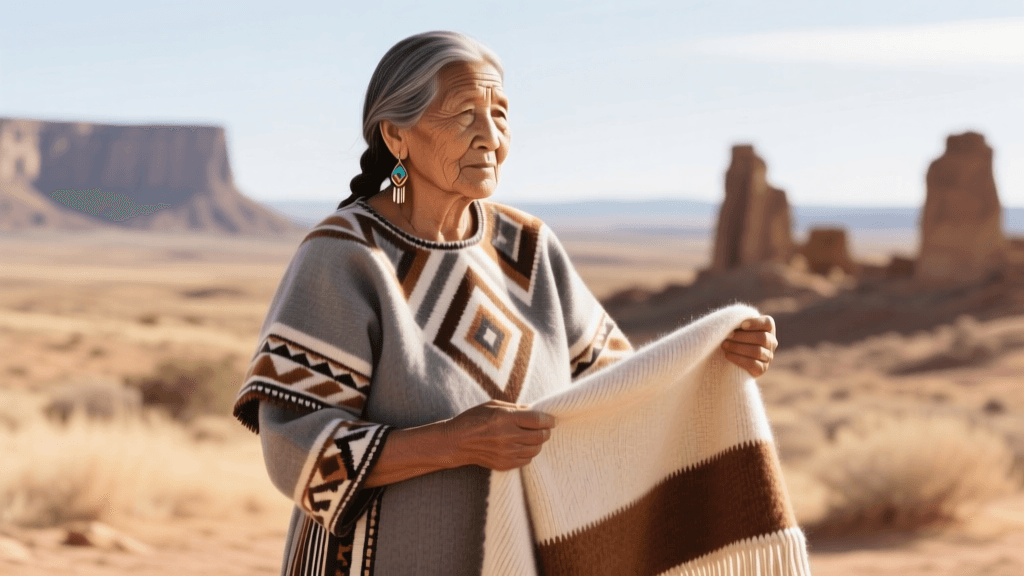
The Diné (Navajo) people possess one of the most celebrated, complex, and enduring textile traditions in North America. Far beyond simple garments or floor coverings, Diné weavings are profound cultural artifacts that map the cosmos, record regional histories, and sustain Indigenous economies. As we navigate the 2026 market for Indigenous arts, the demand for authentic, hand-spun Navajo-Churro wool garments and textiles has reached unprecedented heights. Collectors, cultural institutions, and Indigenous community members alike are seeking out master weavers who maintain the sacred techniques passed down through generations. This comprehensive guide explores the anatomy of traditional Diné dress, the regional variations of textile patterns, and actionable advice for sourcing authentic pieces in 2026.
Spiritual Origins and the Upright Loom
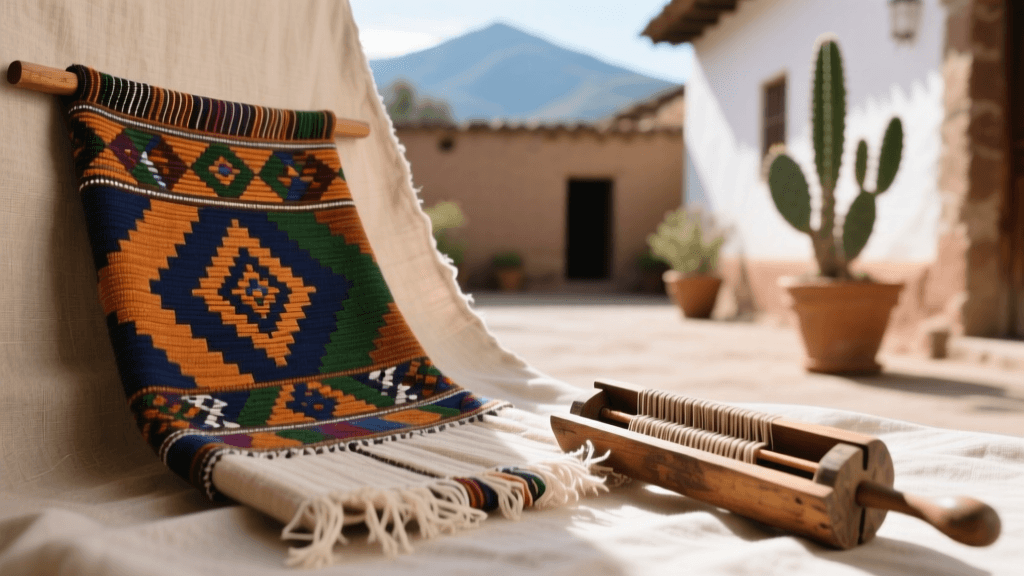
To understand Diné dress and textiles, one must first understand their spiritual foundation. According to Diné cosmology, the art of weaving was taught to the people by Na'ashjé'íí Asdzáá (Spider Woman), while Spider Man constructed the first loom. The traditional upright loom is a microcosm of the universe. The cross poles represent the sky and the earth; the warp sticks represent the sun's rays; the heddles represent the sheet lightning; and the batten represents the sun's halo. When a Diné weaver sits at the loom, they are not merely making fabric; they are actively participating in the maintenance of Hózhó (balance, beauty, and harmony).
The continuous warp technique, a hallmark of Diné weaving, allows the weaver to create a tubular or seamless edge, meaning the spirit of the weaver is not trapped within the four corners of the textile. This spiritual architecture is especially critical when weaving garments meant to be worn close to the body, such as the traditional biil dress.
The Biil: Anatomy of Traditional Diné Dress
Before the widespread introduction of commercial calico and velvet in the late 19th century, the traditional dress for Diné women was the biil (pronounced 'beel'). The biil is a striking, two-piece woven garment that remains a vital piece of ceremonial and formal regalia in 2026, frequently worn during Kinaaldá (coming-of-age ceremonies), graduation ceremonies, and traditional dances.
- Construction: The biil consists of two rectangular panels woven on an upright loom. The panels are placed front and back, then laced together at the sides and shoulders with hand-spun yarn.
- Design Elements: The top and bottom edges typically feature terraced or stepped geometric motifs, representing the changing seasons and the sacred mountains. The center often features a diamond or zigzag pattern symbolizing lightning and water.
- The Sash (Yistéésh): The dress is secured at the waist with a heavily woven, fringed sash. The fringes represent the rain, while the tight weave provides structural support and warmth.
- Contemporary Wear: In 2026, while everyday wear has modernized, the biil is experiencing a massive revitalization among young Diné women reclaiming their sartorial heritage. Master weavers are currently experimenting with natural plant dyes—such as wild walnut, sage, and Navajo tea—to create modern color palettes that respect traditional methodologies.
The Navajo-Churro Sheep: A 2026 Revitalization Triumph
The soul of Diné dress is the Navajo-Churro sheep. Brought to the Americas by Spanish explorers in the 16th century, the Churro sheep became the absolute center of the Diné economy and spiritual life. Following the devastating Long Walk of 1864 and the US government's forced livestock reduction in the 1930s, the Churro breed was pushed to the brink of extinction. Today, thanks to the tireless efforts of organizations like Diné be'iiná (Navajo Lifeway) and local shepherds, the breed has triumphantly returned. By 2026, garments woven from 100% hand-carded, hand-spun Navajo-Churro wool command a premium, prized for their lustrous sheen, durability, and low lanolin content, which makes them ideal for spinning without extensive washing.
Regional Styles: A Guide to Diné Textile Patterns
Diné weaving is not monolithic; it is deeply tied to specific geographic regions and trading posts. While the biil dress often incorporates personal and family motifs, the broader textile and sash market is defined by these regional styles. Understanding these variations is crucial for collectors and cultural enthusiasts in 2026.
| Regional Style | Color Palette | Design Characteristics | Best Use in Dress/Regalia |
|---|---|---|---|
| Ganado | Deep commercial red, black, grey, white | Bold geometric diamonds, crosses, and terraced borders. High contrast. | Ceremonial sashes and winter shawls. |
| Two Grey Hills | Natural wool colors (brown, black, white, tan) | Intricate, concentric geometric borders. Un-dyed, showcasing the sheep's natural fleece. | High-end biil dresses and formal shawls. |
| Teec Nos Pos | Vibrant multi-colored (aniline dyes) | Complex, busy, Persian-rug influenced patterns with hook and serrated motifs. | Decorative dance shawls and contemporary fashion accents. |
| Wide Ruins | Earth tones, soft pastels | Horizontal banded patterns, step-frets, open spaces. Less border-heavy. | Everyday wrap skirts and lightweight summer sashes. |
| Burnham | Muted vegetal dyes (sage, yellows, soft browns) | Strictly vegetal-dyed, featuring diamond and squash blossom motifs. | Subtle, earth-toned biil dresses for daytime ceremonies. |
For an in-depth visual history of these regional variations, the Smithsonian National Museum of the American Indian maintains an extensive digital and physical archive of Diné textiles that tracks the evolution of these patterns from the 19th century into the modern era.
2026 Market Guide: Pricing and Sourcing Authentic Pieces
The market for Indigenous textiles is unfortunately plagued by mass-produced, overseas knockoffs that steal traditional patterns and undercut Native artisans. When purchasing a biil dress, sash, or rug in 2026, it is imperative to verify authenticity. Under US law, the Indian Arts and Crafts Board strictly enforces regulations that make it illegal to offer or display for sale any art or craft product in a manner that falsely suggests it is Indian-produced. Always buy directly from the weaver, from tribal cooperatives, or from galleries that provide a signed certificate of authenticity detailing the artist's name and tribal enrollment.
2026 Pricing Guide for Authentic Diné Textiles
Pricing reflects the hundreds of hours required to shear, card, spin, dye, and weave the wool. Below are the current market averages for authentic, Diné-made pieces in 2026:
| Item Type | Material & Technique | 2026 Estimated Price Range (USD) |
|---|---|---|
| Woven Hair Tie / Small Sash | Hand-spun Churro, vegetal dyed | $150 - $350 |
| Ceremonial Fringed Sash (Yistéésh) | Hand-spun, complex twill weave | $600 - $1,200 |
| Contemporary Biil Dress (Standard) | Two-piece, commercial & hand-spun blend | $1,500 - $2,800 |
| Master-Weaver Biil Dress (Museum Quality) | 100% Navajo-Churro, natural dyes, continuous warp | $4,000 - $8,500+ |
| Large Ceremonial Shawl / Blanket | Two Grey Hills or Ganado style, fine weave | $5,000 - $15,000+ |
Caring for Hand-Spun Churro Wool Garments
Owning an authentic Diné biil dress or woven sash is a significant investment in Indigenous art. Proper care ensures these garments last for generations.
- Cleaning: Never machine wash or dry clean hand-spun Churro wool. The harsh chemicals and agitation will cause severe felting and shrinkage. Spot clean only with cold water and a mild, pH-neutral wool wash. For a full clean, consult a professional textile conservator who specializes in Indigenous artifacts.
- Storage: Store woven garments flat in a cool, dark, and dry environment. Avoid hanging heavy biil dresses for long periods, as the weight of the wool can distort the warp threads over time.
- Moth Prevention: Churro wool is highly susceptible to clothes moths. Store garments in archival-quality cotton storage boxes alongside natural cedar blocks or dried lavender bundles. Avoid chemical mothballs, as the harsh odors will permanently embed themselves into the porous wool fibers.
Conclusion: Wearing Culture Forward
The traditional dress and textile arts of the Diné people are not relics of the past; they are living, breathing expressions of resilience and beauty. As we move through 2026, supporting authentic Diné weavers ensures that the teachings of Spider Woman continue to be woven into the fabric of the future. Whether you are acquiring a ceremonial sash, commissioning a custom biil dress, or simply educating yourself on the profound regional styles of the Navajo Nation, you are participating in the vital preservation of one of the world's greatest textile traditions.