Oaxacan Huipil Buyer's Guide 2026: Sourcing Authentic Textiles
The Renaissance of Oaxacan Textiles in 2026
Oaxaca remains the undisputed epicenter of Mexico's indigenous textile heritage, offering some of the most intricate and culturally significant garments in the Americas. As we navigate the 2026 global fashion landscape, the demand for authentic, handwoven Latin American garments has surged. This shift is driven by a collective consumer move toward slow fashion, cultural preservation, and transparent supply chains. However, this popularity has also spawned a market flooded with mechanized imitations and culturally appropriated designs. For collectors, cultural enthusiasts, and conscious consumers, understanding the nuances of traditional Oaxacan weaving is no longer just an appreciation of art; it is a necessity for ethical purchasing.
In this comprehensive 2026 buyer's guide, we explore the distinct regional styles of the Oaxacan huipil, the revival of Zapotec natural dyes, and the actionable steps you must take to source these masterpieces directly from indigenous artisan cooperatives.
Understanding the Huipil: San Pedro Amuzgos vs. San Juan Colorado
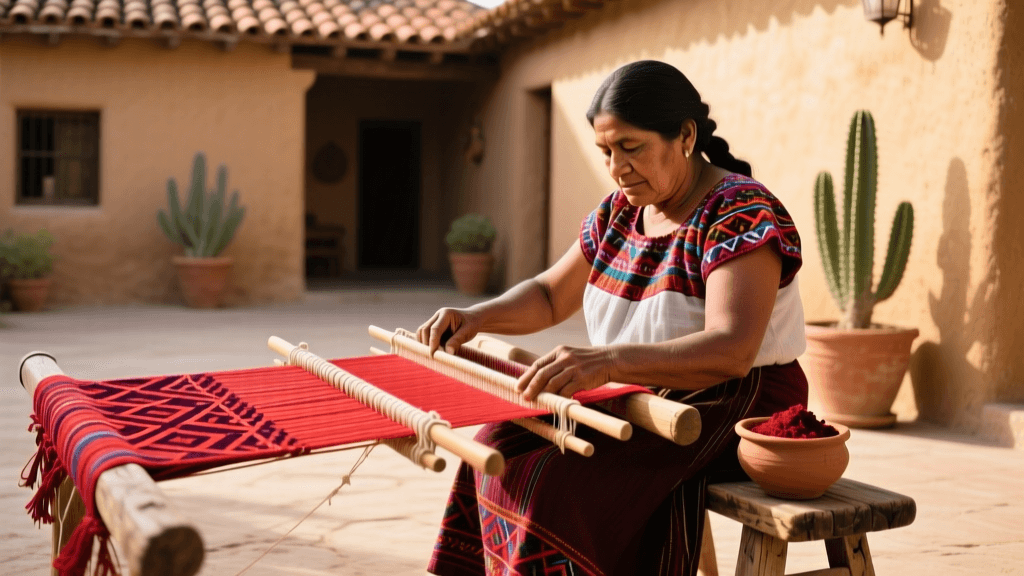
The huipil is a traditional Mesoamerican tunic, but its construction, motifs, and materials vary drastically from village to village. In Oaxaca, two communities stand out for their exceptional cotton brocade techniques: San Pedro Amuzgos and San Juan Colorado. While both utilize the traditional backstrap loom (telar de cintura), their aesthetic and structural outputs are distinctly different.
San Pedro Amuzgos: The Brocade Masters
The Amuzgo weavers of San Pedro Amuzgos are renowned for their elaborate brocade work, where supplementary weft threads are woven directly into the fabric to create complex geometric and zoomorphic patterns. In 2026, authentic Amuzgo huipiles are highly prized for their lightweight, gauze-like cotton base, which is heavily embellished with motifs such as the double-headed eagle, stylized dogs (representing guides to the underworld), and the 'pata de perro' (dog's paw) diamond. A genuine, full-ceremonial Amuzgo huipil takes a master weaver between four to six months to complete, working up to eight hours a day on the backstrap loom.
San Juan Colorado: The Coyuche Cotton Tradition
Conversely, the Mixtec weavers of San Juan Colorado are famous for their use of 'coyuche' cotton. Unlike the stark white commercial cotton, coyuche is a naturally occurring brown and white cotton varietal native to the Oaxacan coast. Weavers here spin the cotton by hand using a malacate (drop spindle), resulting in a yarn with beautiful, natural slubs and color variations. The motifs in a San Juan Colorado huipil are often tighter and more geometric, featuring the 'mariposa' (butterfly) and the 'estrella de ocho puntas' (eight-pointed star). The natural brown hues of the coyuche cotton mean these garments require zero synthetic dyes, making them highly sought after by eco-conscious buyers in 2026.
Zapotec Wool and the Natural Dye Revival
While the Mixtec and Amuzgo communities dominate cotton backstrap weaving, the Zapotec weavers of Teotitlán del Valle and Santo Tomás Jalieza are the undisputed masters of the pedal loom (telar de pedal) and sheep's wool. The 2026 market has seen a massive resurgence in authentic natural dyes, moving away from the harsh aniline dyes that plagued the mid-20th century.
Master dyers in Teotitlán del Valle utilize a profound botanical and entomological knowledge to achieve their color palettes:
- Cochineal (Dactylopius coccus): A parasitic insect native to the nopal cactus, dried and ground to produce vibrant crimsons, purples, and deep pinks. The pH is altered using lime juice (acid) or baking soda (alkaline) to shift the color spectrum.
- Indigo (Añil): Sourced from the indigofera plant, fermented in clay pots to produce rich, colorfast blues.
- Marigold (Cempasúchil) and Pecan Shells: Used in combination with alum mordants to yield deep ochres, golds, and warm browns.
- Moss and Lichen: Harvested sustainably from local oak trees to create soft, earthy greens and yellows.
2026 Pricing and Sourcing Matrix
Understanding the fair market value of these textiles is crucial to ensuring artisans are compensated equitably. The following table outlines the 2026 direct-from-cooperative pricing for authentic Oaxacan garments. Note that purchasing through middlemen or boutique retailers in major cities will typically add a 100% to 300% markup.
| Garment / Textile Type | Average Direct Price (USD) | Loom Type | Production Time | Primary Materials |
|---|---|---|---|---|
| San Pedro Amuzgo Ceremonial Huipil | $450 - $700 | Backstrap | 4 - 6 Months | White Cotton, Cotton Brocade |
| San Juan Colorado Coyuche Huipil | $350 - $550 | Backstrap | 3 - 5 Months | Hand-spun Coyuche Cotton |
| Teotitlán del Valle Zapotec Rug (Large) | $600 - $1,200 | Pedal | 2 - 4 Months | Churra Sheep Wool, Natural Dyes |
| Santo Tomás Jalieza Cotton Belt (Cinturón) | $80 - $150 | Backstrap | 2 - 3 Weeks | Commercial Cotton, Brocade |
| Zapotec Natural Dye Rebozo (Shawl) | $250 - $400 | Pedal / Backstrap | 1 - 2 Months | Wool/Cotton Blend, Cochineal/Indigo |
Ethical Sourcing and the 2026 Legal Landscape
The most critical development for indigenous textile buyers in 2026 is the stringent enforcement of the Mexican Federal Law for the Protection of the Cultural Heritage of Indigenous and Afro-Mexican Peoples. Originally passed to combat cultural appropriation, the law's 2026 enforcement mechanisms now heavily penalize international brands that mass-produce indigenous designs without community consent and profit-sharing.
As a buyer, you must prioritize transparency. Organizations like Nest Global provide vital frameworks for artisan economies, ensuring that the cooperatives you purchase from meet rigorous standards for fair wages, safe working conditions, and cultural intellectual property protection. When sourcing online or via direct-trade platforms, always look for the specific name of the artisan, the village of origin, and the cooperative's affiliation with recognized ethical trade alliances. Avoid vendors who use vague terms like 'Mexican-style' or 'boho-chic indigenous' without providing verifiable provenance.
Authenticity Tests: Spotting Synthetics in the Field
When purchasing in person at markets like the Mercado de Artesanías in Oaxaca City or the Sunday market in Tlacolula, you must be equipped to verify authenticity. Here are three practical tests to perform before handing over your pesos:
- The Rub Test for Cochineal: Natural cochineal dye is incredibly colorfast, but it has a distinct organic depth. Rub a slightly damp white cloth over a red section of the wool. If bright, synthetic-looking pink transfers heavily to the cloth, it is likely an aniline dye. Natural cochineal may transfer a very faint, dusty pink, but the core color remains locked in the wool fiber.
- The Burn Test for Wool vs. Acrylic: If a vendor claims a Zapotec rug is 100% sheep's wool, ask for a tiny clipping of a loose thread from the back fringe. Light it with a match. Genuine wool smells like burning hair and turns to a crushable, brittle ash. Acrylic or synthetic blends will melt into a hard, plastic bead and emit a harsh chemical odor.
- The Tension Check for Backstrap Looms: Genuine backstrap-woven cotton will have microscopic irregularities in the warp tension. Hold the huipil up to the light. If the weave is mathematically perfect, uniform, and lacks any slight slubs or variations in the weft, it was likely woven on a mechanized power loom.
Care and Maintenance for Handwoven Textiles
Investing in an authentic Oaxacan garment requires a commitment to proper preservation. The natural fibers and botanical dyes used in these textiles react differently to modern cleaning methods than commercial garments.
Washing Best Practices
Never machine wash or dry clean a handwoven huipil or natural-dyed wool garment. The agitation will cause the hand-spun cotton to felt or tear, and the harsh chemicals in dry cleaning will strip natural oils from the wool and alter the pH of cochineal dyes, turning vibrant reds into dull, muddy browns.
- For Cotton Huipiles: Submerge the garment in cool water with a pH-neutral, botanical soap (such as a mild castile soap). Gently agitate by hand for no more than three minutes. Rinse thoroughly in cool water. Do not wring; instead, roll the garment in a clean, dry towel to press out excess moisture, then lay it flat on a drying rack in the shade.
- For Zapotec Wool: Wool garments and rugs should rarely be washed. Spot clean with a damp cloth and mild wool wash. For full rugs, professional cleaning by a specialist who understands natural mordants is highly recommended in 2026.
Storage and Sunlight Protection
While indigo is remarkably resistant to UV fading, cochineal and marigold dyes are photosensitive. Prolonged exposure to direct sunlight will cause reds and yellows to fade prematurely. Store your huipiles folded in acid-free tissue paper inside a cedar chest or a breathable cotton bag. Avoid plastic bins, which trap moisture and encourage mildew growth in natural fibers. For wool textiles, incorporate natural pest deterrents like dried lavender or cedar blocks to protect against moth larvae, avoiding chemical mothballs that will permanently taint the fibers with a toxic odor.
Conclusion
The traditional garments of Oaxaca are not merely clothing; they are wearable archives of indigenous history, cosmology, and botanical science. By understanding the distinct characteristics of Amuzgo brocade, San Juan Colorado coyuche cotton, and Zapotec natural dyes, you empower yourself to make purchases that honor the artisan's labor. In 2026, ethical sourcing is more accessible than ever, provided buyers remain vigilant, demand transparency, and respect the profound cultural weight these textiles carry. For further reading on protecting indigenous artisan rights and combating cultural appropriation, resources provided by Cultural Survival and Fashion Revolution offer excellent, up-to-date guidelines for conscious consumers navigating the global textile market.