LDS Temple Garment Shopping 2026: Where and How to Buy
Understanding the Sacred Textile Tradition of LDS Garments
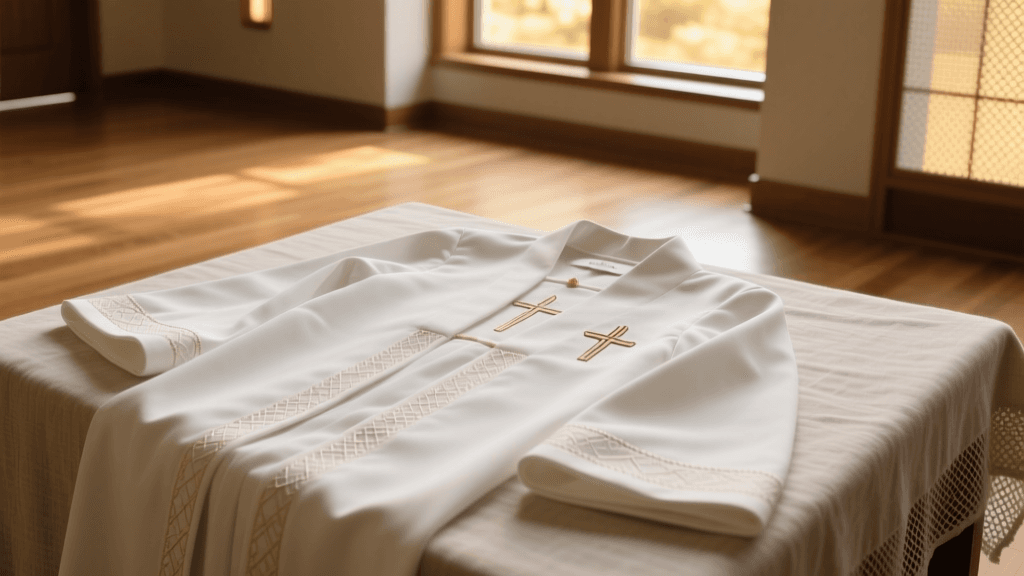
For members of The Church of Jesus Christ of Latter-day Saints, the temple garment represents a deeply personal and sacred commitment. Originating in the Americas during the 19th century, this unique religious dress serves as a constant, physical reminder of covenants made within the temple. Unlike secular clothing or standard religious vestments worn only during worship services, LDS temple garments are designed for daily wear, functioning as an intimate layer of spiritual armor and modesty. As of 2026, the procurement of these garments remains a highly structured process, prioritizing reverence, privacy, and accessibility for endowed members worldwide.
Shopping for temple garments is distinctly different from purchasing everyday apparel. Because of their sacred nature, they are not available in commercial retail stores, shopping malls, or standard e-commerce platforms. Instead, the Church operates a dedicated supply chain through its Distribution Services. Whether you are a newly endowed member preparing to purchase your first set, or a lifelong member looking to update your wardrobe with the latest 2026 fabric technologies, understanding where and how to buy these garments is essential.
Where to Buy: Official LDS Distribution Channels
To purchase temple garments, an individual must hold a current, valid temple recommend. This requirement ensures that the sacred nature of the garments is respected and that they are only distributed to those who have participated in the temple endowment ordinance. As of 2026, there are two primary avenues for purchasing garments:
1. The Official Online Store
The most common and convenient method for purchasing garments in 2026 is through the official LDS Distribution Services online store. The digital portal has been recently updated to provide a seamless, private shopping experience. Members log in using their Church Account (formerly LDS Account), which automatically verifies their temple recommend status in the Church's membership system. Once verified, the store interface unlocks, allowing members to browse the full catalog of garment styles, fabrics, and sizes. The online store offers global shipping, making it the primary resource for members living far from physical distribution centers.
2. Physical Distribution Centers
For those who prefer to see and feel the fabrics before purchasing, or who need immediate replacements, physical LDS Distribution Centers remain a vital resource. These centers are typically located adjacent to or inside temples, as well as in select standalone Church-owned retail spaces. Visiting a physical center in 2026 still requires a valid temple recommend, which a distribution missionary or employee will verify at the point of sale. Physical centers are highly recommended for first-time buyers who may need in-person assistance with measuring and fitting.
Choosing the Right Fabric for Your Climate and Lifestyle
One of the most significant aspects of shopping for LDS garments is selecting the appropriate fabric. The Church has continuously refined its textile offerings to accommodate diverse global climates, active lifestyles, and sensory needs. In 2026, the fabric lineup is more advanced than ever, focusing on breathability, durability, and sustainable sourcing.
- Cotton: The traditional choice. 100% cotton garments are highly breathable, soft, and ideal for those with sensitive skin or allergies to synthetic blends. However, they may require more careful laundering to prevent shrinkage.
- Cotton/Polyester Blend: A highly popular option that combines the softness of cotton with the durability and wrinkle-resistance of polyester. This blend holds its shape well and dries faster than pure cotton.
- Modal: A semi-synthetic fabric made from beech tree pulp. Modal garments are exceptionally soft, lightweight, and offer a slight stretch. They are highly favored in 2026 for their luxurious feel and excellent moisture-wicking properties.
- Stretch Cotton: Incorporating a small percentage of spandex, stretch cotton garments provide a more form-fitting silhouette that moves with the body. This is an excellent choice for active individuals or those who prefer a modern, tailored fit under contemporary clothing.
- Mesh: Designed specifically for extreme heat and humidity. Mesh garments feature a lightweight, open-weave construction that maximizes airflow. They are essential for members living in tropical climates or those who work in high-temperature environments.
Navigating Styles and Necklines
Modesty and personal comfort are paramount when selecting garment styles. The Church offers a variety of necklines and sleeve lengths for the garment top, as well as different lengths for the garment bottom. This variety allows members to wear the garments discreetly under a wide array of secular clothing, from professional business attire to athletic wear. According to the official temple clothing and garments guide, the markings on the garments are consistent across all styles, ensuring the spiritual symbolism remains intact regardless of the cut.
| Garment Top Style | Description & Best Use Case |
|---|---|
| Crew Neck | The traditional, higher neckline. Ideal for wearing under button-down shirts, sweaters, and modest casual wear. |
| V-Neck | A lower neckline designed to remain hidden under open-collared shirts or blouses. |
| Carmen (Off-the-Shoulder) | Features a wide, horizontal neckline. Perfect for wearing under boat-neck tops or wide-scooped dresses. |
| Low Neck / Scoop | A deeper cut that accommodates modern women's fashion, including lower-cut blouses and summer dresses. |
| Sleeveless / Cap Sleeve | Designed for hot weather or wearing under sleeveless dresses and tank tops while maintaining the required coverage. |
For garment bottoms, members can choose between standard mid-thigh lengths, longer knee-length options, and specialized maternity cuts that accommodate a growing belly with soft, stretchable waistbands.
How to Measure and Order Correctly
Proper fit is crucial for both comfort and the longevity of the garment. A garment that is too tight may wear out prematurely or cause discomfort, while one that is too loose may bunch up under clothing. When ordering online in 2026, the Distribution portal provides an interactive digital measuring guide.
For the garment top, you will need to measure your chest/bust and waist. The sizing algorithm will recommend a size (e.g., Small, Medium, Large, or specific numerical sizes) based on these inputs. For the garment bottom, you must measure your waist, hips, and inseam. The inseam measurement is particularly important to ensure the garment falls at the correct point on the thigh. If you are between sizes, Church guidelines generally recommend sizing up for comfort, especially if you are purchasing 100% cotton, which may experience slight shrinkage over time.
Pricing and Budgeting in 2026
Temple garments are sold as separate pieces (tops and bottoms), allowing members to mix and match sizes and styles according to their specific needs. As of 2026, the pricing structure remains heavily subsidized by the Church to ensure they are affordable for members globally. Standard cotton and cotton-blend garments typically range from $9.00 to $12.00 per piece. Premium fabrics, such as Modal and specialized Stretch blends, are priced slightly higher, generally between $13.00 and $16.00 per piece.
Members are encouraged to purchase garments in bulk to save on shipping costs and ensure they always have an adequate supply on hand. The online store frequently offers bundled shipping options, and physical distribution centers often provide discounted multi-pack pricing for local members.
Global Accessibility and Adaptive Options
The Church has made significant strides in ensuring that all endowed members have access to appropriate garments, regardless of their physical abilities or geographic location. In 2026, the Distribution catalog includes adaptive garments designed for individuals with limited mobility, featuring modified closures and easier access for medical needs. Furthermore, the global supply chain has been optimized, reducing international shipping times and expanding the localized fabric options available in regions with high humidity, such as Southeast Asia and South America.
As noted by the Church Newsroom, the garment is a symbol of devotion and a personal reminder of the wearer's commitment to live a righteous life. The continuous improvements in fabric technology, style variety, and purchasing accessibility reflect the Church's ongoing effort to support its members in honoring their covenants comfortably and discreetly in the modern world.
Conclusion
Shopping for LDS temple garments in 2026 is a streamlined, respectful, and highly personalized experience. By utilizing the official Distribution channels, understanding the diverse range of modern fabrics, and carefully selecting the right styles for your wardrobe, you can ensure that your garments provide both spiritual comfort and physical ease. Whether ordering online from the comfort of your home or visiting a local temple distribution center, the process is designed to honor the sacred nature of this unique American religious textile tradition.