2026 NYC & LA Garment Districts: Heritage Textiles
The Evolution of American Fashion Hubs in 2026
The landscape of American fashion manufacturing and sourcing has undergone a radical transformation by 2026. While the late 2010s and early 2020s were defined by the decentralization of supply chains and the rise of overseas micro-factories, the premier domestic hubs—specifically the New York City Garment District and the Los Angeles Fashion District—have pivoted to become vital epicenters for heritage, traditional, and Indigenous textile sourcing. For designers creating traditional Native American regalia, Latin American artisanal garments, and contemporary Indigenous fashion, these urban districts are no longer just remnants of industrial mass production. Instead, they have evolved into specialized marketplaces for natural fibers, ethically sourced trims, and culturally significant textiles.
According to industry insights from the Council of Fashion Designers of America (CFDA), 2026 has seen a massive surge in heritage-focused micro-manufacturing and domestic artisan collaborations. Designers are increasingly rejecting synthetic, mass-produced fabrics in favor of organic cottons, raw silks, hand-woven wools, and natural dyes that honor traditional garment-making techniques across the Americas. Navigating these sprawling districts requires an understanding of their unique geographies, specialized vendors, and the modern digital tools that have streamlined the sourcing process for traditional artisans.
Navigating the NYC Garment District for Heritage Materials
The New York City Garment District, primarily located between 34th and 42nd Streets from Fifth to Ninth Avenues, remains a dense, multi-story labyrinth of fabric stores, trim shops, and specialized suppliers. For Indigenous designers and traditional garment makers from the Northern Plains, Woodlands, and Northeast regions, the NYC district is unparalleled for sourcing heavy-weight natural fibers, specialized leathers, and high-quality brass or copper findings used in traditional regalia.
Key Streets and Specialized Vendors
In 2026, the district's zoning protections have successfully preserved legacy businesses that might have otherwise been priced out by commercial real estate developers. When sourcing for traditional garments, specific streets offer distinct advantages:
- 38th Street (The Trim Hub): This street is essential for sourcing specialized metallic trims, natural fiber ribbons, and custom brass cones. Many vendors here now offer 3D-printing services for custom metalwork, allowing Indigenous designers to replicate historical trade-era bells and cones using sustainably sourced recycled brass.
- 39th and 40th Streets (Wool and Canvas): For those crafting heavy winter garments, wool coats, or canvas-based traditional wear, these floors house importers of raw, unspun wool and heavy-duty organic cotton canvas. Sourcing Navajo-Churro style wools or heavy melton wools for Métis capotes and traditional winterwear is highly feasible here, with many vendors now providing full traceability reports via blockchain-verified QR codes.
- Beading and Embellishment Suppliers: Several legacy shops in the high 30s have adapted to the 2026 market by stocking ethically sourced bone, horn, and glass beads, catering specifically to the booming market for contemporary Native American beadwork and quillwork backings.
Historical textile conservation resources, such as those maintained by the Fashion Institute of Technology (FIT) Museum, frequently highlight the historical continuity of these NYC supply chains, noting how modern Indigenous designers utilize the exact same geographic hub that their ancestors accessed during the early 20th-century trade eras, albeit with vastly improved ethical standards.
The LA Fashion District: Sourcing for Indigenous and Latin American Designs
While NYC excels in heavy wools and specialized metalwork, the Los Angeles Fashion District—centered around Maple Avenue, 9th Street, and the sprawling alleyways of the Downtown LA (DTLA) wholesale market—is the undisputed North American gateway for Latin American traditional textiles, Southwestern Indigenous materials, and lightweight natural fibers.
Finding Natural Dyes and Artisan Imports
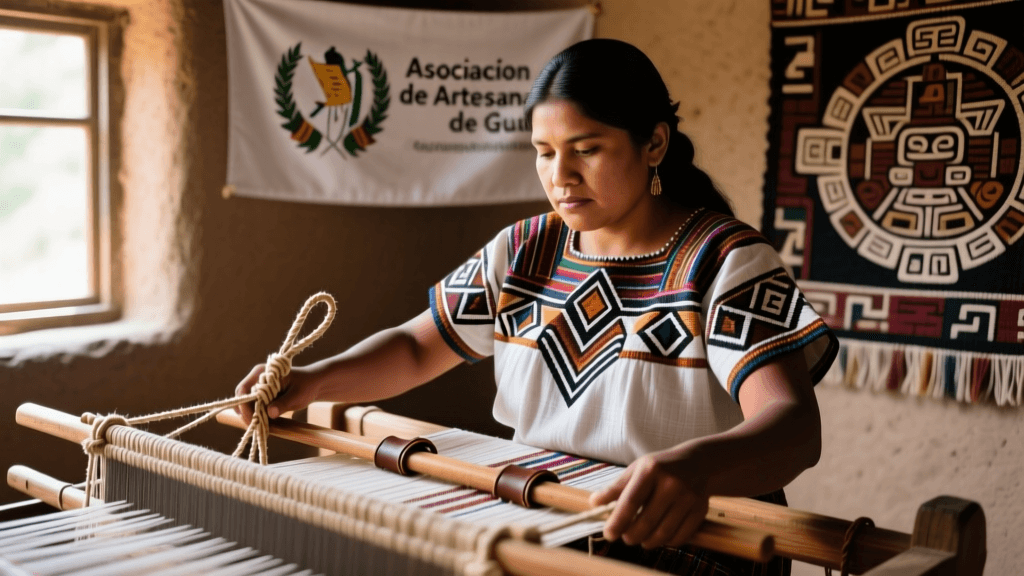
The LA district in 2026 is heavily influenced by the vibrant traditions of Oaxaca, Chiapas, and the Andean regions. It serves as the primary distribution hub for authentic, fair-trade huipiles, rebozos, and hand-woven manta cloth. For designers integrating traditional Latin American textile arts into modern silhouettes, or for Indigenous artisans from the Southwest seeking specific cotton weaves, LA is indispensable.
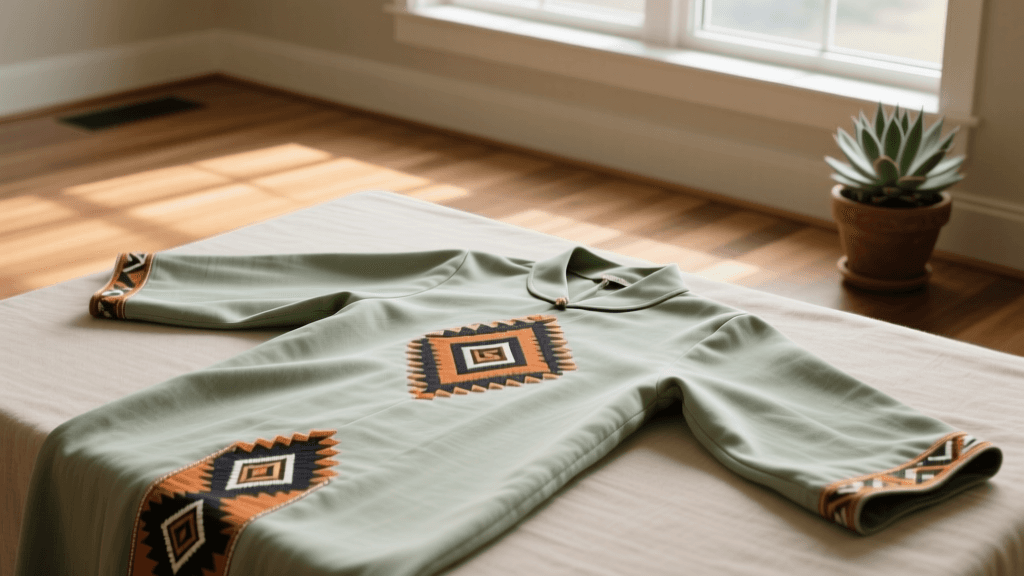
- Maple Avenue (Cotton and Manta): Vendors here specialize in unbleached, organic manta cloth and heavy cotton twills that are foundational for traditional Mexican and Southwestern Native garments, such as the ribbon shirts and traditional dance regalia that require breathable, durable natural fibers.
- 9th Street (Silk and Embroidery Backings): For the intricate embroidery traditions of Latin America and the floral beadwork of the Great Lakes tribes (who often source lighter materials for summer powwow regalia), 9th Street offers premium raw silks, linen blends, and specialized stabilizing backings that prevent puckering during heavy, multi-layered beadwork.
- Natural Dye Apothecaries: A new wave of micro-vendors in the DTLA arts adjacent zones now specialize in natural dyes. Sourcing authentic cochineal, indigo, and marigold dyes in bulk has become significantly easier in 2026, supported by the district's new Fair Trade Textile Initiative which ensures that indigenous farming communities in the Americas are compensated equitably.
Comparison Chart: NYC vs. LA District Sourcing (2026)
| Feature | NYC Garment District | LA Fashion District |
|---|---|---|
| Primary Heritage Focus | Heavy wools, canvas, leather, metal findings, Northern/Plains regalia supplies. | Organic cottons, manta, Latin American imports, natural dyes, Southwest/Mesoamerican textiles. |
| Best For Traditional Garments | Winterwear, Métis capotes, heavy beadwork backings, brass cone jingle supplies. | Ribbon shirts, huipil integrations, lightweight powwow regalia, embroidered textiles. |
| 2026 Sustainability Initiative | Artisan Preservation Zoning & Recycled Metals Mandate. | Fair Trade Textile Initiative & Natural Dye Traceability. |
| Minimum Order Expectations | Generally higher (wholesale focused), but 'cutting' services available for registered artisans. | Highly flexible; many vendors sell by the yard to independent makers and small ateliers. |
| Digital Integration | QR-coded swatch books with blockchain fiber origin tracking. | AR-enabled fabric draping apps and direct-to-reservation freight portals. |
Ethical Sourcing and Indigenous Collaborations
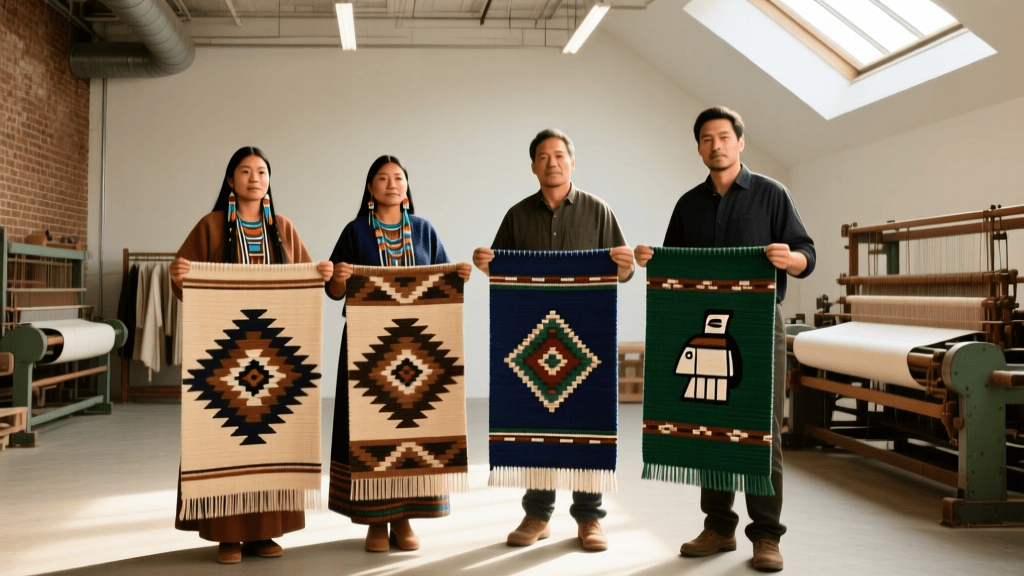
A critical aspect of sourcing in 2026 is the emphasis on ethical partnerships and the avoidance of cultural appropriation. Both the NYC and LA districts have implemented strict vendor guidelines regarding the marketing of 'Native-inspired' or 'tribal' prints. Today, the focus is on providing the raw, high-quality materials that allow Indigenous and traditional artisans to create authentic pieces from their own cultures.
Furthermore, grants and logistical support for traditional artisans are increasingly supported by organizations like the National Endowment for the Arts (NEA), which in 2026 expanded its creative placemaking and traditional arts grants to include supply-chain subsidies. This means that recognized Indigenous artisans and tribal cooperatives can often access subsidized freight shipping from these major urban hubs directly to sovereign reservations and rural ateliers, bridging the gap between urban textile centers and remote traditional communities.
Practical Tips for 2026 District Visits
Whether you are an established designer or an emerging traditional artisan planning a sourcing trip, navigating these districts requires strategy. The days of wandering aimlessly with a physical map are over. Here is how to optimize your sourcing trip in 2026:
- Timing is Everything: Both districts operate on strict B2B schedules. Visit Tuesday through Thursday, between 9:00 AM and 2:00 PM. Avoid Mondays (when vendors process weekend wholesale orders) and Fridays (when shipping docks are overwhelmed).
- Leverage Digital Swatch Systems: In 2026, carrying heavy physical swatch books is obsolete. Most legacy vendors in NYC and LA use standardized QR-coded memo systems. Bring your smartphone or a district-provided tablet to scan fabrics, instantly downloading the material's weight, fiber origin, care instructions, and ethical certifications to your digital design board.
- Register as an Artisan Maker: Both districts now offer 'Artisan Maker' badges. By registering with your tribal affiliation, cultural cooperative, or small-business certification, you gain access to wholesale pricing and low-minimum 'cutting' privileges that are normally reserved for large-scale corporate buyers.
- Utilize Consolidated Freight Hubs: If you are sourcing heavy bolts of canvas from NYC or bulk manta from LA for a rural studio, do not rely on standard parcel carriers. Both districts feature consolidated freight hubs specifically designed to ship to remote areas, including sovereign tribal lands, utilizing specialized routing that ensures materials arrive safely and cost-effectively.
Conclusion
The NYC and LA Garment Districts in 2026 are far from obsolete; they have been reborn as vital arteries for the preservation and evolution of traditional and Indigenous fashion across the Americas. By understanding the unique strengths of each hub—from the heavy wools and brass of Manhattan to the organic cottons and natural dyes of Downtown Los Angeles—artisans can source the authentic, high-quality materials necessary to keep traditional garment-making thriving for generations to come. Embracing the new digital tools and ethical standards of these districts ensures that the clothes we create are as deeply rooted in cultural integrity as they are in historical tradition.