Mormon Temple Garments in 2026: Meaning, Purpose & Styles
The Sacred Context: What Are Mormon Garments?
Within the diverse tapestry of religious and traditional clothing across the Americas, few garments carry as much personal spiritual significance—and external curiosity—as the Mormon temple garment. Officially referred to by members of The Church of Jesus Christ of Latter-day Saints as the 'garment of the holy priesthood,' this sacred underclothing is worn by adult members who have participated in the temple endowment ceremony. As of 2026, the garment remains a foundational element of daily life for millions of Latter-day Saints, serving as a deeply personal reminder of their faith, covenants, and commitment to modesty.
It is crucial to distinguish the garment from temple clothing. Temple clothing refers to the white robes, aprons, and veils worn exclusively inside the temple during sacred ordinances. The garment, conversely, is worn beneath everyday attire, functioning as a constant, tactile connection to the divine in the secular world. Understanding the meaning, purpose, and modern iterations of the garment provides profound insight into a uniquely American-born religious tradition that has now spread globally.
Theological Meaning and Spiritual Purpose
The primary purpose of the temple garment is spiritual, not physical. According to the Gospel Topics: Temple Garments essay published by the Church, the garment represents the sacred covenants made between the individual and God. It is not viewed as a talisman, an amulet, or 'magic underwear'—a common and offensive misconception perpetuated by popular media. Rather, it holds no intrinsic magical power; its power lies entirely in what it represents to the wearer.
The garment serves several key spiritual functions:
- A Shield and Protection: Members are taught that the garment provides spiritual protection against temptation and evil influences, acting as a visual and physical boundary that encourages modesty and righteous living.
- A Reminder of Covenants: Just as a wedding ring reminds a spouse of their marriage vows, the garment reminds the wearer of the promises they made in the temple.
- A Symbol of Equality: Because the garment is worn underneath clothing by members of all socioeconomic backgrounds, it serves as a great equalizer. A CEO and a construction worker wear the same sacred undergarments, reinforcing the theological belief that all are equal before God.
Historical Evolution: From Nauvoo to 2026
The origins of the garment trace back to the 1840s in Nauvoo, Illinois, when Church founder Joseph Smith introduced the temple endowment. Early garments were one-piece 'union suits' made of heavy cotton or wool, featuring long sleeves extending to the wrists and long legs reaching the ankles. They were collarless and fastened with strings or buttons.
As the 20th century progressed, the practicalities of modern life, military service, and changing fashion necessitated adaptations. In the 1920s and 1930s, the Church authorized shorter sleeves and legs. By the late 20th century, the one-piece suit was entirely phased out in favor of the modern two-piece design (a t-shirt and shorts/briefs).
In 2026, the design philosophy balances reverence with advanced textile engineering. Recent years have seen a simplification of the physical 'marks' (symbols woven or stitched into the fabric that correspond to teachings in the endowment). The Church has shifted focus away from the literal placement of the marks on the fabric, emphasizing instead the spiritual covenants they represent, allowing for more comfortable, seamless, and modern manufacturing techniques.
2026 Garment Styles, Fabrics, and Sizing Guide
The Official Church Store: Temple Garments distribution network has vastly expanded its catalog to accommodate diverse climates, body types, and lifestyles. In 2026, members can choose from a highly specialized array of fabrics and cuts designed to be worn discreetly under contemporary fashion, including athletic wear and professional attire.
| Fabric Type | Best For | Key Features | 2026 Price Range (USD) |
|---|---|---|---|
| 100% Cotton | Everyday wear, sensitive skin | Highly breathable, traditional feel, durable | $12.00 - $14.50 |
| Modal Blend | Travel, office wear, active lifestyles | Exceptionally soft, resists shrinking, drapes well | $14.50 - $18.00 |
| Stretch Cotton | Athletics, form-fitting clothing | Spandex blend, moves with the body, retains shape | $15.00 - $19.00 |
| Heat-Weather Mesh | Tropical climates, high-heat summers | Ultra-lightweight, moisture-wicking, quick-dry | $16.50 - $21.00 |
| Maternity Panel | Pregnancy and postpartum | Expandable abdominal mesh, soft waistbands | $18.00 - $22.00 |
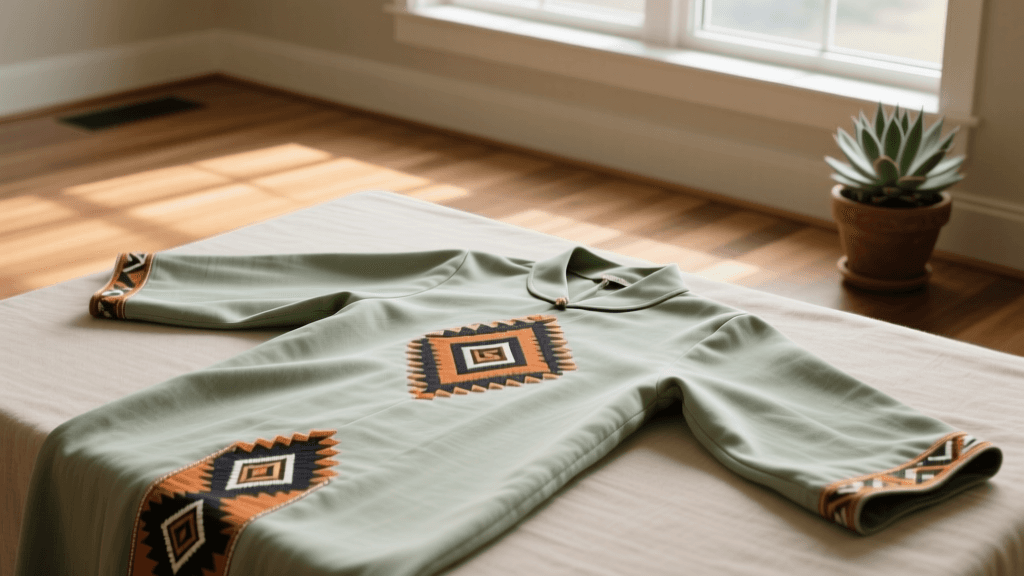
For women, 2026 styles include cap sleeves, v-necks, scoop necks, and 'youth' styles designed for young women preparing to enter the temple. Men's styles range from traditional crew necks to deep v-necks and athletic cuts. The Church has also made significant strides in 2026 toward sustainable sourcing, utilizing ethically harvested cotton and closed-loop modal production to reduce the environmental footprint of global garment manufacturing.
Indigenous and Cultural Intersections in the Americas
As a religion that originated in the Americas, the intersection of LDS temple garments and Indigenous cultural dress is a fascinating area of textile and cultural study. For Native American, First Nations, and Latin American Indigenous Latter-day Saints, the garment serves as a base layer that allows them to participate fully in their ancestral cultural traditions while honoring their religious covenants.
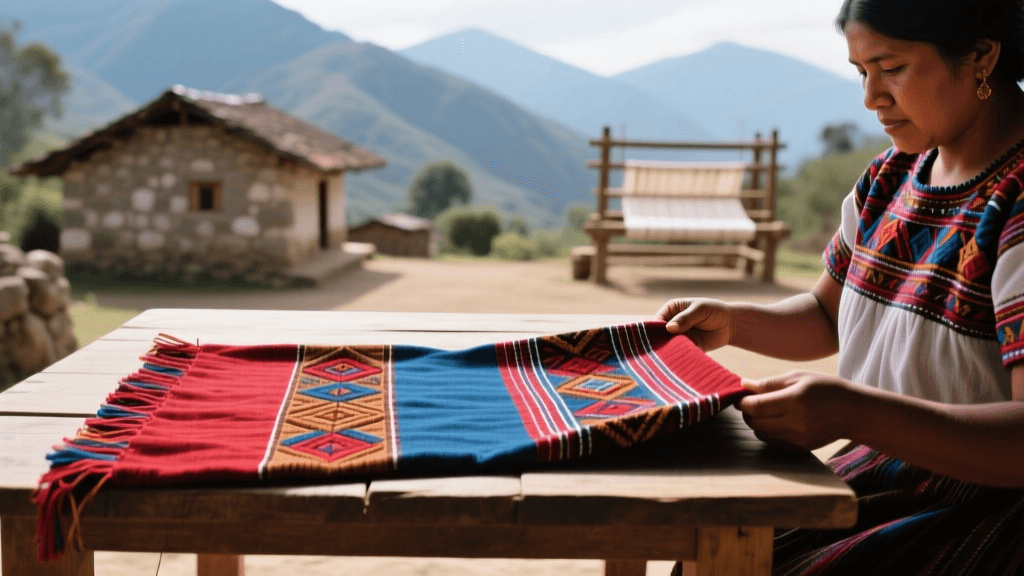
For example, among Diné (Navajo) Latter-day Saints, it is common to wear the garment beneath traditional velvet shirts and turquoise jewelry during cultural gatherings or church services. In Mesoamerica, Indigenous women who weave and wear traditional huipiles often select specific garment necklines (like the scoop or v-neck) that remain entirely hidden beneath the intricate, hand-woven embroidery of their cultural dress. During powwows or traditional dances, Indigenous LDS members wear the garment beneath their regalia, viewing their spiritual covenants and their cultural heritage as complementary rather than contradictory. This synthesis highlights how a standardized religious garment adapts to the vibrant, diverse textile traditions of the Americas.
Purchasing Guidelines and Distribution
Purchasing temple garments is restricted to members who hold a current 'temple recommend'—a card signed by local and regional ecclesiastical leaders verifying the member's worthiness and standing in the Church. This restriction is enforced to maintain the sacred nature of the clothing.
In 2026, members have several purchasing avenues:
- Online Distribution: Members can log into their secure Church account and order directly from the Church Newsroom: Temple Garments Resource links or the official store, with items shipped discreetly to their homes.
- Local Distribution Centers: Located near temples and major chapels, these centers allow members to try on different sizes and fabrics in person.
- Deseret Book: The Church-owned retail chain carries a selection of garments, though purchasing requires verification of a temple recommend at the register.
Care, Maintenance, and Respectful Disposal
Unlike some religious garments that require specialized ritual washing, the LDS temple garment is cared for like any other high-quality undergarment. Members are instructed to wash them with regular laundry using standard detergents. The focus is on cleanliness and respect, rather than ritualistic laundering.
When a garment becomes worn, torn, or unusable, it cannot simply be thrown in the trash or donated to thrift stores. The established tradition for respectful disposal involves cutting the garment into pieces so that it is no longer recognizable as a sacred item. The fabric scraps are then discarded in the regular waste stream. In recent years, some environmentally conscious members have begun separating the 100% cotton scraps for textile recycling programs, provided the sacred marks are completely destroyed first, aligning religious reverence with 2026 sustainability goals.
Conclusion
The Mormon temple garment is far more than a piece of clothing; it is a profound expression of faith, identity, and covenant. As of 2026, the garment continues to evolve in its textiles and cuts, adapting to the modern climates and diverse cultures of the Americas and the world. Whether worn beneath a business suit in New York, athletic wear in Utah, or traditional Indigenous regalia in the Southwest, the garment remains a quiet, unifying thread in the lives of millions, weaving together the sacred and the everyday.