Authentic Guatemalan Huipil Buying Guide 2026: Patterns & Fair Trade
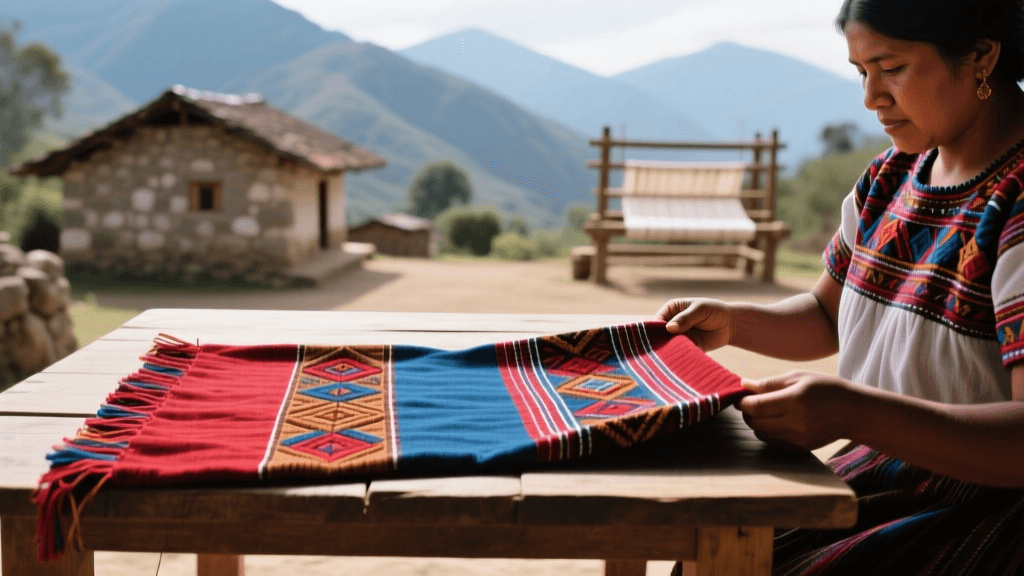
The Guatemalan huipil is far more than a traditional blouse; it is a wearable codex, a geographic identifier, and a profound expression of Maya cosmology. As we navigate the global textile market in 2026, the demand for authentic, ethically sourced Latin American garments has reached an all-time high. However, this surge in popularity has also led to an influx of machine-made imitations and culturally appropriated designs. For collectors, cultural enthusiasts, and ethical fashion advocates, understanding the nuances of regional embroidery, weaving techniques, and fair-trade purchasing is essential.
In this comprehensive 2026 guide, we explore the intricate world of Guatemalan textile arts, providing you with the actionable knowledge needed to identify authentic pieces, decode regional motifs, and directly support the Indigenous weaving cooperatives that keep these ancestral traditions alive.
The Living History and Cosmology of the Huipil
Historically, the huipil has served as a visual language. Before the widespread use of written Spanish in rural highland communities, a woman’s huipil communicated her village of origin, her marital status, and her social standing within the community. The very structure of the garment is deeply symbolic. Woven on a backstrap loom, the textile is created in distinct panels that are later joined together using a decorative randa (seam). The center of the huipil, where the neck opening is cut, represents the axis mundi—the center of the universe—while the four corners of the textile represent the four cardinal directions essential to Maya agricultural and spiritual life.
Today, organizations dedicated to cultural preservation, such as those recognized by UNESCO Intangible Cultural Heritage, continue to advocate for the protection of these ancestral weaving practices against the homogenizing forces of global fast fashion.
The Mechanics of the Backstrap Loom in 2026
To truly appreciate the value of a handwoven huipil, one must understand the tool used to create it: the backstrap loom, or telar de cintura. Unlike the rigid, floor-standing foot looms introduced by the Spanish, the backstrap loom is an extension of the weaver’s own body. One end of the warp threads is tied to a sturdy tree or post, while the other is attached to a strap that wraps around the weaver’s lower back.
By leaning forward or backward, the weaver controls the tension of the warp threads with her own body weight. This intimate connection between creator and textile allows for incredible precision in complex brocade patterns. In 2026, master weavers in cooperatives across the Sololá and Quiché departments are combining these ancient tension techniques with newly spun, high-tensile organic cottons, resulting in textiles that are both historically accurate and remarkably durable for modern wear.
Natural Dyes: The 2026 Renaissance of Color
A major trend in the 2026 Latin American textile market is the return to pre-Columbian natural dyeing methods. While the mid-20th century saw a massive shift toward cheap, synthetic acrylic yarns, contemporary weaving cooperatives are now commanding premium prices for naturally dyed threads. When sourcing an authentic, high-end huipil today, look for these traditional colorants:
- Cochineal (Rojo/Purple): Derived from the dried bodies of the Dactylopius coccus insect found on nopal cacti. By altering the pH with lime juice or volcanic ash, weavers can extract brilliant crimson, soft pinks, and deep purples.
- Indigo (Azul): Cultivated from the añil plant. The fermentation and oxidation process required to create a stable indigo vat is a closely guarded cooperative secret in villages like San Juan La Laguna.
- Sacatinta (Black/Grey): A local shrub used to create deep, colorfast blacks and slate greys, often used for the base warp of ceremonial garments.
- Marigold and Pericón (Yellow/Orange): Wild-harvested botanicals that provide vibrant, sun-baked yellows and earthy oranges.
Decoding Regional Embroidery and Brocade Patterns
Guatemala is home to over 30 distinct Maya ethnolinguistic groups, and the huipil designs vary drastically from village to village. Below is a comparison chart of four highly sought-after regional styles in the 2026 collector’s market.
| Region | Dominant Colors | Key Motifs | Primary Technique |
|---|---|---|---|
| Chichicastenango | Deep reds, purples, gold | Sun gods, geometric roses, birds | Heavy supplementary weft brocade |
| San Juan Cotzal | Vibrant reds, greens, blues | Quetzal birds, deer, diamond earth symbols | Dense, tapestry-like weave |
| Nahualá | Navy blue, white, red accents | Geometric zig-zags, stylized animals | Warp-faced stripe with subtle brocade |
| San Antonio Aguas Calientes | Multi-colored pastel and jewel tones | European floral imports, birds, horses | Double-faced brocade (identical front/back) |
How to Authenticate Handwoven Textiles
With the rise of digital marketplaces, distinguishing between a genuine, hand-brocaded huipil and a machine-embroidered factory replica is a critical skill. As highlighted in cultural preservation reports by Smithsonian Magazine, the proliferation of imported, machine-made knock-offs severely undercuts Indigenous artisans. Use these three authentication steps when evaluating a piece in 2026:
1. The 'Wrong Side' Test
Turn the textile over. Machine embroidery relies on a bobbin thread, which leaves a messy, tangled, or distinctly uniform interlocking pattern on the reverse side. True hand-brocade, created by weaving a supplementary weft thread directly into the warp on the loom, will look remarkably neat on the back. In premium pieces from San Antonio Aguas Calientes, the pattern is double-faced and virtually identical on both sides.
2. Examine the Selvedge and Seams
Handwoven panels are woven to a specific width dictated by the weaver's arm span. A genuine huipil is made of two or three panels joined by a randa (a decorative, hand-stitched seam). If the fabric is continuous, wide, and lacks these structural seams, it was likely cut from a bolt of commercial yardage.
3. Feel the Tension Irregularities
Because the backstrap loom relies on human breath and posture, the warp tension will have microscopic variations. Run your fingers across the fabric; a slight, organic unevenness is a hallmark of human creation, whereas machine-woven textiles feel perfectly flat and rigidly uniform.
2026 Pricing Guide and Fair Trade Compensation
Understanding the true cost of labor is vital for ethical purchasing. A single, intricate ceremonial huipil can take a master weaver between four to eight months of daily labor to complete. When purchasing directly from fair-trade cooperatives or vetted galleries in 2026, expect the following pricing tiers (in USD):
- Everyday Huipil (Cotton/Acrylic Blend, Simple Brocade): $85 – $160. These are lighter, designed for daily wear, and feature less dense patterning.
- Fine Artisan Huipil (100% Handspun Cotton, Natural Dyes): $250 – $450. These pieces feature complex, village-specific motifs and are woven entirely with natural, locally sourced materials.
- Ceremonial Cofradia Huipil (Museum Quality): $600 – $1,200+. Woven with metallic threads, heavy silk, or exhaustive double-faced brocade, these are reserved for spiritual leaders and festivals.
- Vintage/Antique (Pre-1980): $800 – $3,000+. Sourced from textile archives, valued for their use of now-extinct regional pattern variations and antique silk threads.
To ensure your money directly supports the weavers, prioritize purchasing through organizations certified by the Fair Trade Federation, or buy directly from cooperative websites that transparently break down their profit-sharing models.
Caring for Your Handwoven Garment
Proper care ensures these textiles survive for generations. Never machine wash or dry clean a hand-brocaded huipil. The agitation will destroy the delicate supplementary weft floats, and harsh chemicals will strip natural dyes like cochineal. Instead, hand wash the garment in cold water using a pH-neutral, botanical soap. Gently press the water out—never wring or twist the fabric. Lay the huipil flat on a clean towel in a shaded, well-ventilated area. Direct sunlight will rapidly fade natural indigo and marigold dyes. When storing, fold the textile with acid-free tissue paper to prevent permanent creasing along the warp threads.
Conclusion
Purchasing a Guatemalan huipil in 2026 is an investment in cultural continuity. By learning to read the intricate language of the brocade, demanding transparent supply chains, and fairly compensating the artisans, collectors and enthusiasts play a direct role in ensuring that the backstrap loom remains a vibrant, living tradition for generations to come.