Women's LDS Garments 2026: Fit, Styles & Sizing Guide
The Evolution of Women’s Temple Garments
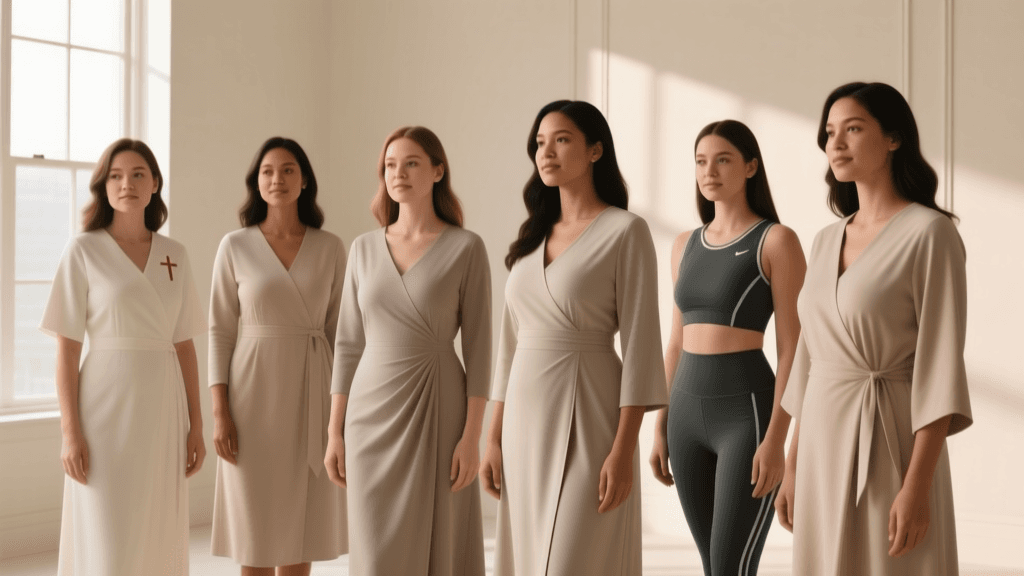
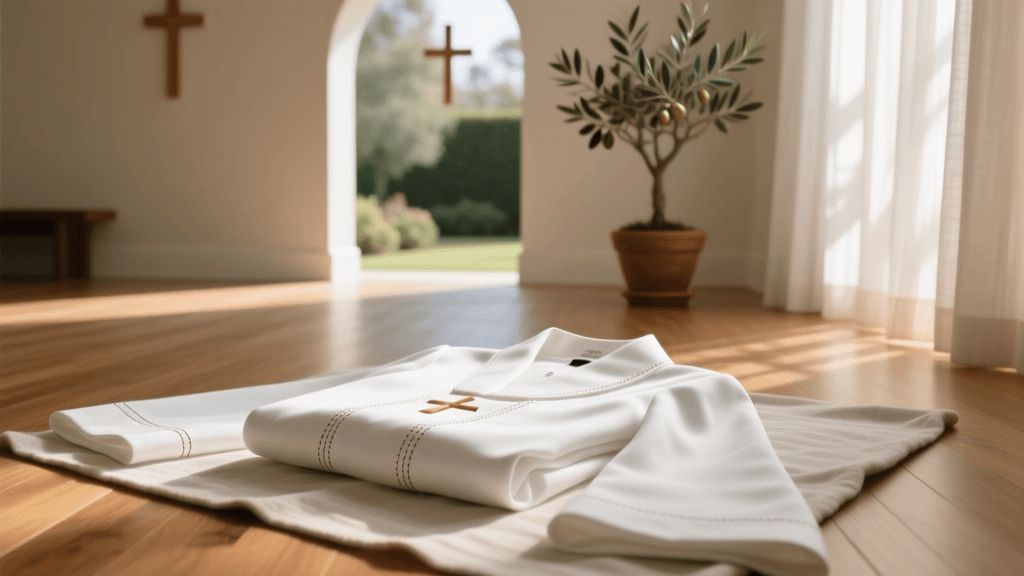
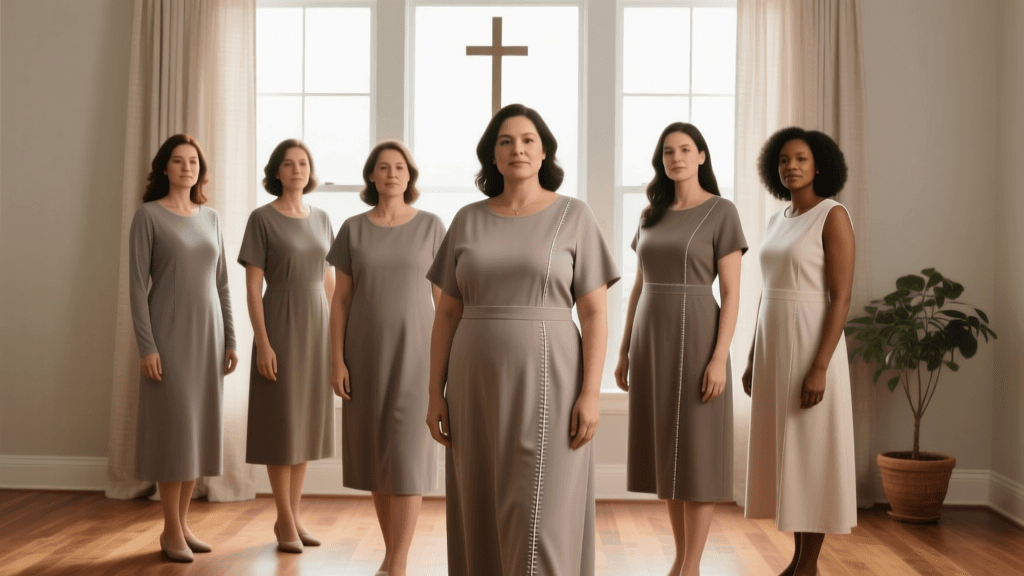
For members of The Church of Jesus Christ of Latter-day Saints, the temple garment is far more than a simple undergarment; it is a sacred reminder of covenants made in the temple. As we navigate 2026, the intersection of faith, modesty, and practical daily living has never been more seamlessly integrated into the design and availability of women's temple garments. Over the past decade, and culminating in the diverse options available this year, the Church has significantly expanded the styles, fabrics, and fits to accommodate the varied lifestyles, climates, and wardrobes of women worldwide.
Whether you are a newly endowed member preparing to purchase your first set, or a lifelong member looking to update your wardrobe with the latest 2026 fabric blends, understanding the nuances of fit, style, and material is essential. This comprehensive guide will walk you through everything you need to know about women's LDS garments, ensuring you find the perfect balance of spiritual reverence and physical comfort.
According to the Church Newsroom, the garment serves as a deeply personal and sacred reminder of the wearer's covenants, providing a spiritual shield and protection in daily life. Understanding how to properly wear, fit, and care for these garments is a vital part of that ongoing commitment.
Comprehensive Guide to Women's Garment Styles
In 2026, women have access to a wider variety of garment tops and bottoms than ever before. The Church has worked diligently to ensure that the sacred markings remain intact while adapting the outer cut and hemlines to suit modern fashion and practical needs.
Cap Sleeve and Short Sleeve
The cap sleeve top remains the most popular and versatile option for everyday wear. It provides adequate coverage for the shoulders while remaining invisible under most standard t-shirts, blouses, and casual dresses. The short sleeve variant offers slightly more coverage, extending further down the upper arm. This is particularly useful for women who wear wider necklines or looser armholes, ensuring the garment remains hidden and the shoulder area is fully covered according to modesty standards.
Long Sleeve and Three-Quarter Sleeve
For colder climates or professional environments requiring sheer or lightweight outer layers, long sleeve and three-quarter sleeve garments are indispensable. The 2026 iterations of these styles feature improved, stretchable cuffs that lay flat against the wrist without bunching, making them ideal for wearing under fitted blazers or tight winter sweaters. The three-quarter sleeve is especially favored for transitional weather, offering elbow coverage while keeping the forearms cool.
The Camisole Style
One of the most highly anticipated releases in recent years, which has become a staple by 2026, is the women's camisole garment top. Designed with a sleeveless cut and a slightly scooped neckline, the camisole maintains all required sacred markings while allowing women to wear tank tops, sleeveless summer dresses, and athletic wear comfortably. The armholes are carefully tailored to provide modest coverage of the underarm area without restricting movement, making it a favorite for active women and those living in tropical or desert climates.
Maternity and Nursing Options
Pregnancy and postpartum periods bring unique physical changes, and the Church offers specialized maternity and nursing garments. These tops feature empire waists, extra room in the bust and abdomen, and discreet nursing clasps. The bottoms are designed with stretchy, over-the-bump or under-the-bump panels that accommodate a growing or postpartum belly without putting pressure on the waist. These specialized garments ensure that women can maintain their covenants comfortably during one of life's most physically demanding transitions.
Fabric Options: Choosing the Right Material for 2026
The fabric of your garment drastically impacts its breathability, durability, and overall comfort. In 2026, the distribution centers offer several distinct fabric blends, each engineered for specific needs.
100% Cotton
Traditional 100% cotton garments are highly breathable, hypoallergenic, and soft against the skin. They are an excellent choice for individuals with sensitive skin or those who prefer natural fibers. However, cotton is prone to shrinking if washed in hot water or dried on high heat. Members choosing cotton are advised to size up slightly or adhere strictly to cold-water washing and air-drying protocols to maintain the proper fit over time.
Cotton-Modal Blend
The cotton-modal blend has surged in popularity due to its exceptional drape, softness, and resistance to shrinking. Modal, a semi-synthetic fiber derived from beech tree pulp, adds a luxurious stretch to the garment. This blend is ideal for women who want a form-fitting garment that moves with their body and remains virtually invisible under tight clothing. It also wicks moisture slightly better than pure cotton, making it a great all-around choice for year-round wear.
Mesh and Lightweight Options
For women living in extremely hot and humid environments, or those who engage in rigorous outdoor activities, mesh and lightweight synthetic blends are a lifesaver. These fabrics are engineered with micro-perforations that maximize airflow and rapidly evaporate sweat. While they offer less opacity than cotton or modal, they are designed to be worn under appropriate outer clothing and provide immense relief during the peak of summer.
Sizing, Fit, and Measurement Guide
A proper fit is crucial. Garments should feel comfortable and supportive, never restrictive or binding. The 2026 sizing charts have been updated to reflect more inclusive and accurate body measurements. When ordering, you will need to know your bust, waist, hip, and inseam measurements.
- Bust: Measure around the fullest part of your chest, keeping the tape measure level across your back.
- Waist: Measure around your natural waistline, typically the narrowest part of your torso, just above the belly button.
- Hips: Measure around the fullest part of your hips and buttocks.
- Inseam (for bottoms): Measure from the crotch seam down to your desired hem length. Women's garment bottoms typically come in standard, short, and long inseams to accommodate different heights.
If your measurements fall between two sizes, it is generally recommended to size up for comfort, particularly if you are purchasing 100% cotton garments that may experience slight shrinkage. For modal and stretch blends, true-to-size sizing is usually the best approach.
2026 Fabric and Style Comparison Matrix
| Garment Style | Best Use Case | Recommended Fabric | Neckline / Hemline |
|---|---|---|---|
| Cap Sleeve | Everyday wear, casual outfits | Cotton or Modal | Standard crew / Mid-bicep |
| Short Sleeve | Wider necklines, modest coverage | Cotton-Modal Blend | Standard crew / Lower bicep |
| Long Sleeve | Winter, professional sheer tops | Lightweight Modal | Crew or V-neck / Wrist cuff |
| Camisole | Tank tops, summer dresses, athletics | Mesh or Modal | Scoop / Sleeveless |
| Maternity | Pregnancy, postpartum nursing | Stretch Cotton | Empire waist / Nursing clip |
Care, Maintenance, and Purchasing Guidance
Proper care extends the life of your garments and preserves the integrity of the fabric and sacred markings. In 2026, the Church continues to emphasize respectful care for these items. Always wash garments in cold or warm water with like colors. Avoid using harsh bleach, which can degrade the fibers and fade the markings. When drying, tumble dry on a low heat setting or line dry in the shade. High heat is the primary culprit for warped fabrics and shrunken hems.
When it is time to retire a garment that is worn out, torn, or no longer usable, the proper protocol is to carefully cut out the sacred markings and destroy them (often by burning or shredding) so they cannot be recognized. The remaining fabric can then be disposed of in the regular trash.
Purchasing garments is restricted to endowed members and is handled exclusively through official channels. You can order garments online via the official Church store, or visit a local Church distribution center. Distribution center staff are highly trained and can provide private, respectful fittings and personalized recommendations based on your specific wardrobe needs and lifestyle.
For further doctrinal context and to understand the deep spiritual significance behind the temple and its associated clothing, members and interested individuals are encouraged to explore the Temples section of the Church's official website. The resources provided there offer profound insights into the covenants that make the wearing of the garment such a cherished and sacred privilege for women and men alike.
Ultimately, finding the right women's LDS garment in 2026 is about honoring your covenants while living fully and comfortably in the modern world. With the expansive array of styles, advanced fabric technologies, and inclusive sizing available today, every woman can find the perfect fit to support her spiritual and physical journey.