2026 LDS Women's Garment Fit Guide: Styles, Sizing & Fabrics
The Sacred Context and 2026 Innovations
For women of The Church of Jesus Christ of Latter-day Saints, the temple garment is far more than a basic undergarment; it is a profound, sacred reminder of covenants made in the house of the Lord. Wearing the garment is a deeply personal commitment that provides spiritual protection and serves as a constant physical reminder of one's faith and promises. As we move through 2026, the options available through Church Distribution have evolved significantly, reflecting a modern understanding of women's diverse lifestyles, body types, and comfort needs.
In recent years, and culminating in the 2026 catalog updates, the Church has expanded its sizing inclusivity and introduced advanced textile blends designed to withstand the rigors of modern life. Whether you are a busy professional, an active mother, an athlete, or someone living in a hot climate, finding the right fit and fabric is essential for wearing the garment comfortably and reverently every single day. According to the Gospel Topics essay on Garments, the garment represents a commitment to live righteously, and ensuring it fits properly allows members to focus on their spiritual journey rather than physical discomfort.
Neckline and Sleeve Variations: Finding Your Ideal Style
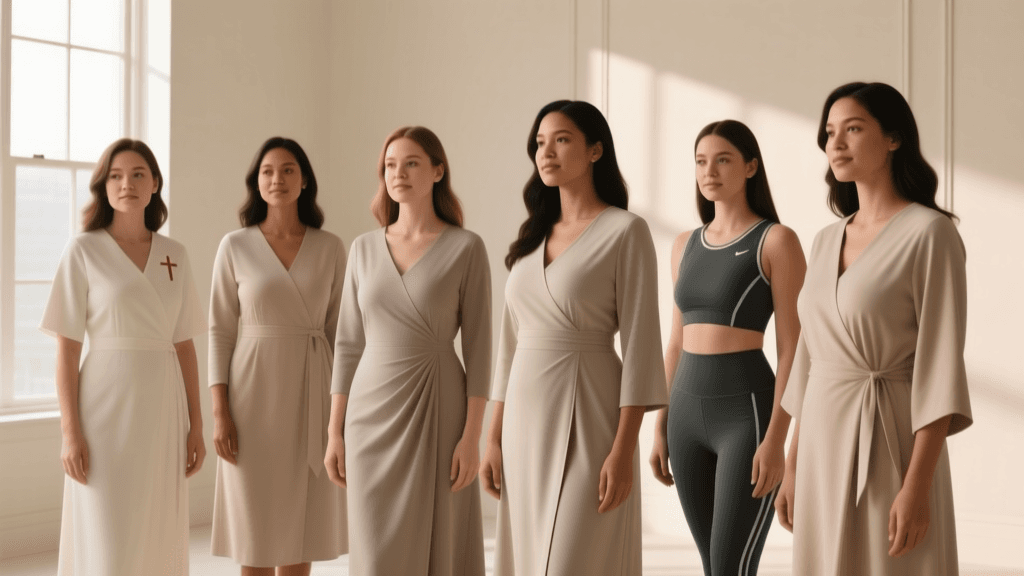
The Church offers several distinct style variations for women's tops, allowing members to choose the cut that best accommodates their outer clothing while maintaining the required coverage of the sacred markings. In 2026, the primary neckline options include the Carriage (crew neck), the V-neck, and the Scoop neck. Sleeve lengths generally fall into two categories: the cap sleeve and the short sleeve.
Choosing the right neckline is often dictated by your personal wardrobe. If you frequently wear blouses with higher collars or modest crew-neck t-shirts, the traditional Carriage style provides excellent coverage and prevents the garment from peeking out. Conversely, the V-neck and Scoop neck options have become increasingly popular in 2026 for women who wear open-collar blouses, wrap dresses, or wider necklines, as they remain hidden while still fully covering the required areas.
| Style Profile | Neckline Cut | Sleeve Length | Best Wardrobe Pairings for 2026 |
|---|---|---|---|
| Classic Carriage | Crew (High) | Cap or Short | Crew-neck tees, modest button-ups, winter layering |
| Modern V-Neck | V-Shape (Medium) | Cap or Short | Wrap dresses, open-collar blouses, V-neck sweaters |
| Contemporary Scoop | U-Shape (Lower) | Cap or Short | Wide-neck tops, boat-necks, summer dresses |
| Active Performance | Crew or V-Neck | Cap (Raglan) | Athletic wear, hiking gear, moisture-wicking tops |
Fabric Profiles: Choosing the Right Material
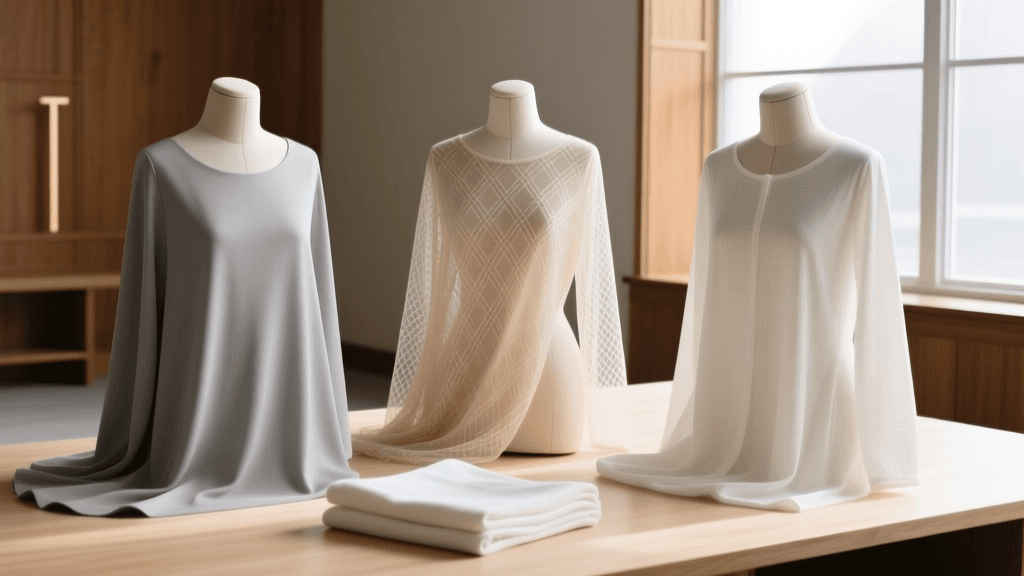
The fabric of your garment dictates its breathability, drape, and longevity. In 2026, the Church's Distribution centers offer three primary fabric categories for women, each engineered for specific environments and preferences.
1. 100% Cotton (The Classic Choice)
The traditional 100% cotton garment remains a favorite for its natural breathability and softness against the skin. It is highly recommended for women with sensitive skin or those who prefer natural fibers. However, cotton requires careful laundering. To prevent shrinkage—which can alter the fit of the armholes and neckline—it is crucial to wash these in cold water and tumble dry on low heat. Cotton is ideal for temperate climates and everyday office wear.
2. Modal and Spandex Blends (The Stretch Line)
The Women's Stretch line, utilizing a blend of modal and spandex, has seen massive adoption in 2026. Modal is a semi-synthetic fabric made from beech tree pulp, known for its silky feel and exceptional drape. The addition of spandex provides a four-way stretch that moves with the body, making it the ultimate choice for active women, mothers chasing toddlers, or anyone who finds traditional cotton too restrictive. The stretch fabric also resists wrinkling and retains its shape wash after wash, ensuring the neckline and sleeves do not become baggy over time.
3. Performance and Mesh Blends
For women living in tropical climates, working outdoors, or engaging in rigorous physical activities, the performance mesh and moisture-wicking blends are indispensable. These synthetic blends pull sweat away from the body and dry rapidly, preventing the chafing and discomfort that can occur with cotton in high humidity.
The 2026 Sizing and Measurement Guide
A proper fit is essential not only for physical comfort but also for spiritual reverence. The General Handbook outlines that garments should be worn properly to ensure the sacred markings are covered and protected. A garment that is too tight can cause the fabric to pull away from the skin, while one that is too loose may bunch up or fail to cover the markings adequately during movement.
How to Measure for the Perfect Fit
- Bust: Measure around the fullest part of your chest, keeping the measuring tape level and snug but not tight. This ensures the neckline will lay flat against your collarbone.
- Waist: Measure around your natural waistline (the narrowest part of your torso). While women's garments are often cut straighter than modern fashion tops, knowing your waist helps determine if you need a size up for a comfortable drape.
- Hips: Measure around the fullest part of your hips and buttocks. This is the most critical measurement for the bottom portion of the garment to ensure it does not ride up or bind when sitting.
- The Two-Finger Rule: When trying on a new garment, you should be able to comfortably slide two fingers under the armhole and the neckline. This indicates that the fit is modest and secure without restricting blood flow or causing friction.
If you find yourself between sizes, the general guidance for 2026 is to size up for cotton (to account for potential shrinkage) and choose your true size for modal/spandex blends (as they are designed to stretch and conform to your exact measurements).
Navigating Modern Modesty and Layering
Fashion trends in 2026 continue to experiment with sheer fabrics, off-the-shoulder cuts, and lower backlines. Maintaining your covenants while participating in professional and social events requires strategic layering. The garment is designed to be an undergarment, and it is entirely appropriate to wear additional modesty layers over it to accommodate current fashion trends.
For sheer or lightweight summer tops, consider wearing a lightweight, breathable camisole over your garment. For dresses with lower backlines, modesty panels or specialized shawls can bridge the gap between your outerwear and the required garment coverage. The key is to view the garment as your foundational layer of spiritual armor, while your outer clothing reflects your personal style and adherence to the principle of modesty.
Specialty Fits: Maternity and Extended Sizing
The Church has made significant strides in ensuring all women can comfortably wear their garments during every season of life. In 2026, the maternity garment options feature expandable side panels and longer torso cuts designed to accommodate a growing belly without riding up or putting pressure on the bust. These are typically available in the modal stretch fabric, which provides the necessary give for the second and third trimesters.
Additionally, extended sizing options have been refined to provide better proportions for plus-size women, ensuring that armholes are not too tight and that the hemline sits correctly at the hip. Women can order these specialized fits directly through the official Church Store or their local Distribution center, often with the option to consult with sizing specialists who understand the unique tailoring requirements of temple garments.
Care, Washing, and Longevity
Treating the garment with respect extends to how it is laundered. To preserve the integrity of the fabrics and the sacred markings, follow these 2026 care guidelines:
- Washing: Always use cold or warm water. Hot water degrades spandex fibers and causes severe cotton shrinkage.
- Detergent: Use a mild, non-bleach detergent. Bleach and harsh stain removers can weaken the fibers and damage the markings.
- Drying: Tumble dry on low heat or air dry. High heat is the enemy of elastic and modal blends, leading to pilling and loss of shape.
- Ironing: If you prefer to iron your cotton garments, never iron directly over the sacred markings. Use a pressing cloth or iron the garment inside out on a low setting.
Conclusion
Choosing the right LDS temple garment is a deeply personal process that balances spiritual reverence with practical, everyday comfort. By understanding the 2026 fabric innovations, accurately measuring for your specific body type, and selecting the neckline that best suits your wardrobe, you can ensure that your garment remains a comfortable and constant reminder of your sacred covenants. Whether you opt for the classic breathability of cotton or the modern flexibility of modal stretch, the most important factor is that you wear it with faith, confidence, and peace.