NYC & LA Garment Districts 2026: Sourcing Traditional Textiles
Navigating the 2026 American Fashion Hubs for Traditional Garments
The landscape of American textile manufacturing and sourcing has undergone a significant transformation by 2026. For designers, historians, and artisans focused on the Americas and Indigenous categories, the New York City Garment District and the Los Angeles Fashion District remain the undisputed epicenters for material procurement. However, the way we source traditional fabrics—from wool broadcloth used in Native American ribbon shirts to heavy canvas and leather for Western and Latin American heritage garments—has evolved. Today, ethical sourcing, digital inventory integration, and strict adherence to authenticity guidelines define the modern sourcing trip.
Whether you are designing a contemporary collection inspired by traditional Mesoamerican weaving or sourcing authentic trims for Indigenous regalia, understanding the current layout, minimum order quantities (MOQs), and ethical guidelines of these two major hubs is essential. This comprehensive 2026 guide will walk you through the best streets, showrooms, and practices for sourcing traditional American and Indigenous textiles.
The NYC Garment District: Heritage Trims and Broadcloth
Despite decades of real estate pressure, the Save the Garment District initiative has successfully preserved the core manufacturing and sourcing blocks in Midtown Manhattan. In 2026, the district is highly specialized, with a distinct focus on high-quality trims, silks, and specialized wools that are critical for traditional garment construction.
Key Streets for Indigenous and Traditional Sourcing
West 38th Street remains the holy grail for fabric sourcing. Mood Fabrics and New York Elegant Fabrics have fully integrated digital swatch-card systems in 2026, allowing buyers to scan QR codes on fabric bolts to view the exact origin, fiber content, and ethical certifications of the material. For traditional Native American garments, such as ribbon shirts and jingle dresses, sourcing high-quality silk ribbons and wool broadcloth is paramount. Spandex House and specialized trim vendors like Sil Thread offer extensive inventories of metallic trims, heavy-duty cotton threads, and silk ribbons necessary for intricate appliqué and beadwork foundations.
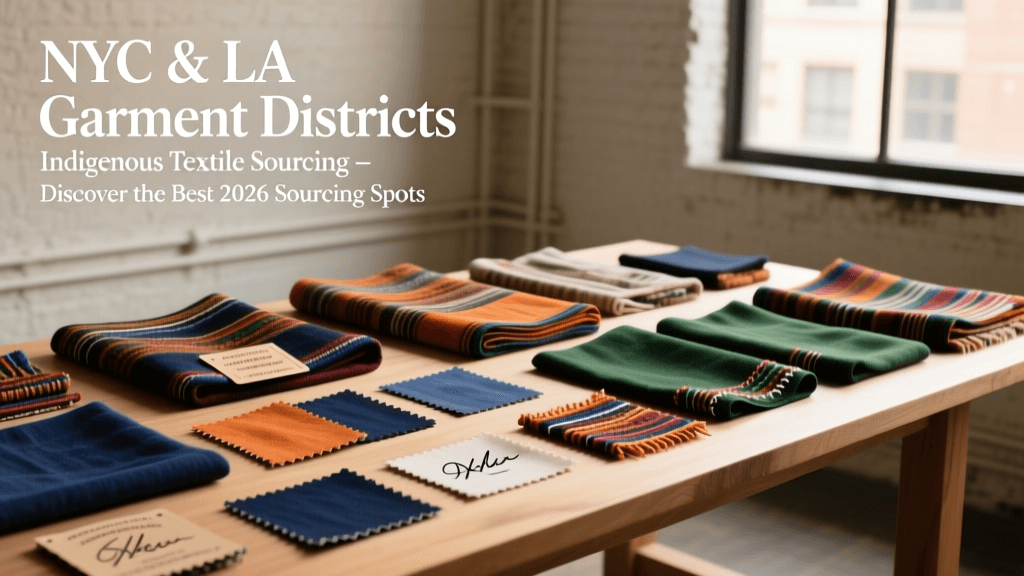
One major shift in 2026 is the appointment-only model adopted by many B2B wholesale showrooms. Walk-ins are largely restricted to retail-facing storefronts, while the upper-floor wholesale importers—where the bulk pricing on calico, melton wool, and traditional Stroud cloth is found—require advance scheduling through the district's centralized digital portal.
Los Angeles Fashion District: Leather, Denim, and Latin American Textiles
Spanning nearly 100 blocks, the Los Angeles Fashion District is the premier destination for heavy textiles, leather, and imported Latin American fabrics. In 2026, LA has solidified its position as the gateway for authentic Southwestern and Mesoamerican textiles, bridging the gap between North American Indigenous designers and traditional weavers from Oaxaca and Guatemala.
Maple Avenue and the Leather Corridors
For artisans crafting traditional moccasins, leather regalia, or Western heritage wear, the Maple Avenue corridor is unmatched. The tanneries and leather wholesalers here have adapted to 2026's stringent environmental regulations, offering vegetable-tanned leathers and ethically sourced elk and deer hides that are essential for authentic Indigenous footwear and accessories. Buyers can source heavy-weight harness leather for tooling and soft buckskin for traditional dress making, with many vendors now providing blockchain-verified provenance to ensure the hides are ethically and sustainably harvested.
9th Street and Woven Imports
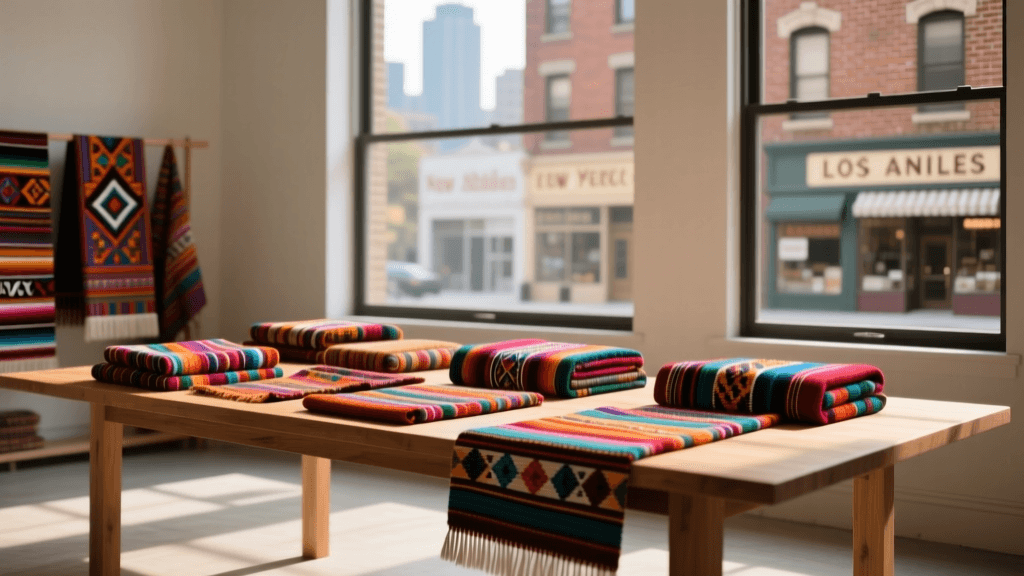
Ninth Street is the hub for wholesale cottons and woven imports. In recent years, there has been a massive push to support authentic Latin American textile cooperatives. In 2026, several major importers on 9th Street specialize in backstrap-loom inspired cottons, heavy wool serape blankets, and traditional huipil fabrics. These textiles are vital for designers focusing on Latin American traditional garments, ensuring that the materials carry the correct weight, drape, and cultural resonance.
Material Sourcing Comparison: NYC vs. LA (2026)
Choosing between New York and Los Angeles depends entirely on the specific materials required for your traditional or Indigenous garment project. Below is a comparative breakdown of what each district excels at in 2026.
| Material | Best Hub | Primary Use in Traditional Garments | 2026 Estimated MOQ |
|---|---|---|---|
| Wool Broadcloth | NYC | Native American Ribbon Shirts, Skirts, and Dresses | 10-15 Yards |
| Heavy Leather & Hides | LA | Moccasin Soles, Regalia, Tooling, and Western Wear | 5-10 Hides |
| Silk & Satin Ribbons | NYC | Ribbon Work Appliqué, Jingle Dress Accents | 50-100 Yards |
| Woven Cotton & Wool | LA | Latin American Huipiles, Guayaberas, Serapes | 20-30 Yards |
| Calico & Broadcloth | Both | Everyday Traditional Wear, Powwow Regalia Bases | 15-25 Yards |
Ethical Sourcing and Indigenous Authenticity in 2026
Perhaps the most critical aspect of sourcing materials for Americas and Indigenous garments in 2026 is navigating the legal and ethical frameworks surrounding cultural authenticity. The mass production of counterfeit 'Native-inspired' goods has been heavily cracked down upon, and professional designers must ensure their supply chains are transparent and respectful.
When sourcing finished trims, beadwork, or pre-woven traditional textiles, buyers must adhere to the guidelines set forth by the Indian Arts and Crafts Board. The Board's 2026 updated compliance standards require that any textile or trim marketed as 'Native American made' must be verifiably produced by enrolled members of federally recognized tribes. As a designer or buyer, it is your responsibility to request certification from wholesalers when purchasing finished Indigenous components in the garment districts. Buying raw materials (like uncut wool, leather, or ribbon) does not fall under these restrictions, but purchasing finished moccasin blanks or pre-beaded collars requires strict adherence to the Indian Arts and Crafts Act.
Furthermore, ethical sourcing in 2026 means prioritizing vendors who have direct, fair-trade relationships with Indigenous weaving cooperatives in the Americas. In LA, look for wholesalers displaying the 'Fair Trade Americas' certification, ensuring that the Latin American textiles you purchase directly support the artisan communities that originated the patterns and techniques.
Practical Tips for Your 2026 Sourcing Trip
To maximize your time and budget when visiting these fashion hubs, keep the following actionable tips in mind:
- Digital Pre-Registration: Both the NYC and LA districts now utilize centralized apps for buyer registration. Register your business or design label at least two weeks before your trip to gain access to wholesale floors and digital inventory maps.
- Timing Your Visit: Avoid the peak fashion week prep months (July and December). The best time to source traditional textiles is during the mid-season lulls in April and October, when showrooms are fully stocked but less crowded, allowing for in-depth conversations with textile specialists.
- Bring Physical References: While digital color matching has improved, traditional garments require specific drapes and weights. Bring physical swatches or vintage reference garments to match the exact hand-feel of the broadcloth or leather you need.
- Freight and Shipping: Heavy materials like leather and bulk wool are costly to transport. Both districts have integrated, eco-friendly freight consolidators on the ground floor of major buildings, allowing you to ship directly to your studio at subsidized 2026 green-logistics rates.
Conclusion
The NYC and LA garment districts in 2026 are more than just commercial hubs; they are living archives of textile history and vital conduits for the preservation of traditional American and Indigenous clothing. By understanding the distinct offerings of each city, respecting the ethical boundaries of cultural sourcing, and leveraging the new digital tools at your disposal, you can source materials that honor the rich, diverse heritage of the Americas. Whether you are stitching a traditional ribbon shirt or weaving a contemporary Latin American silhouette, the right materials are waiting for you in the heart of these iconic fashion districts.