2026 NYC & LA Garment District Guide: Sourcing Indigenous Textiles
Introduction to American Fashion Hubs and Traditional Craft
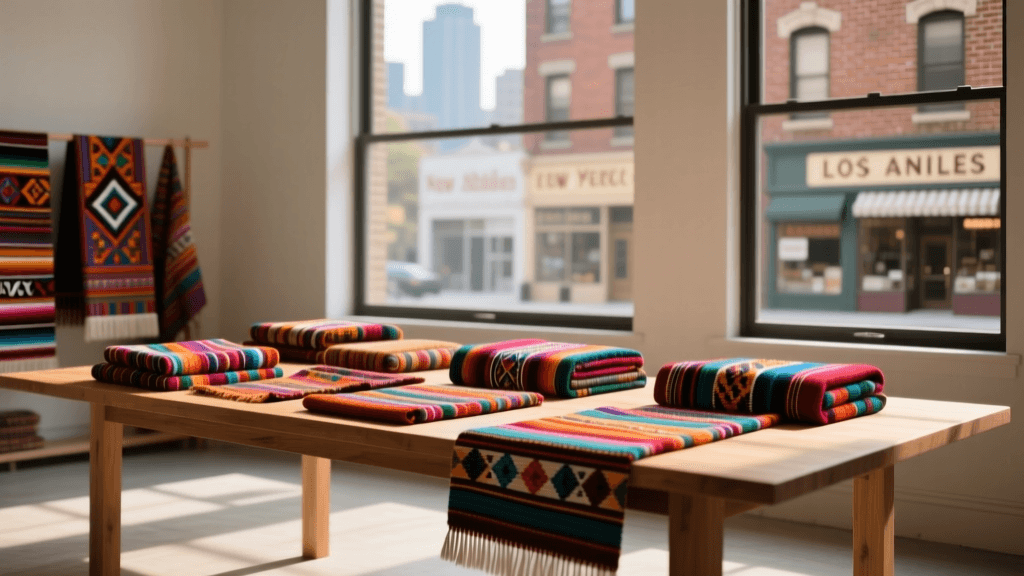
As we navigate the fashion landscape of 2026, the intersection of major American manufacturing hubs and traditional Indigenous garment creation has never been more vital. For designers, cultural preservationists, and artisans crafting Native American regalia, Métis sashes, or Latin American traditional garments, sourcing the right materials is a foundational step. While many assume that traditional textiles must be imported directly from remote communities, the truth is that the New York City and Los Angeles garment districts remain unparalleled resource centers for high-quality raw materials, heavy wools, broadcloths, and intricate trims.
This comprehensive 2026 guide explores how to navigate the bustling streets of the NYC Midtown Garment District and the sprawling LA Downtown Fashion District. Whether you are sourcing heavy wool melton for a traditional ribbon skirt, vibrant silk dupioni for powwow regalia, or heavy cottons for a Oaxacan-inspired huipil, understanding the layout, pricing, and etiquette of these American fashion hubs is essential for any serious textile artisan.
New York City: The Midtown Garment District
The New York City Garment District, roughly bounded by 34th and 42nd Streets between Fifth and Ninth Avenues, is a historic epicenter of American fashion. In 2026, the district has evolved into a hybrid of legacy wholesale showrooms and modern, appointment-only textile galleries. According to the Garment District Alliance, the neighborhood continues to adapt to post-pandemic retail shifts while maintaining its status as the premier destination for high-end trims and heritage fabrics on the East Coast.
Top NYC Shops for Regalia and Heritage Garments
For Indigenous artisans and traditional garment makers, NYC offers specific treasures that are difficult to find elsewhere:
- Mood Fabrics (225 W 37th St): While famous for mainstream fashion, Mood's third-floor upholstery and heavy fabric sections are goldmines for traditional garment makers. In 2026, their stock of heavy wool melton and high-quality silk dupioni is unmatched. Expect to pay between $25 and $60 per yard for premium wools suitable for winter regalia and traditional coats.
- Spandex House & Trim Shops (W 38th St): The stretch and trim shops on 38th Street are essential for sourcing the vibrant, high-sheen spandex and lycra used in modern jingle dresses and fancy shawls. Furthermore, the surrounding trim stores offer bulk glass beads, sequins, and metallic braids that are crucial for intricate regalia beadwork and Latin American embroidery borders.
- Tender Buttons (1435 Lexington Ave): Though slightly outside the main district, this legendary shop is a must-visit for sourcing authentic horn, bone, and vintage metal buttons used in historical Native American and frontier-style traditional garments.
Los Angeles: The Downtown Fashion District
The Los Angeles Fashion District spans nearly 100 blocks in downtown LA, offering a vastly different experience from NYC. As detailed by the LA Fashion District Business Improvement District, this area is the undisputed king of casual wear, denim, and Latin American textile imports. For designers focusing on Latin American traditional garments or Southwest Indigenous styles, LA provides unparalleled access to heavy cottons, muslins, and vibrant embroidery threads.
Top LA Shops for Latin American and Indigenous Textiles
LA's district is more spread out, requiring comfortable shoes and a strategic map. Here is where to focus your 2026 sourcing trip:
- Michael Levine Inc. (910 E 9th St): A legendary institution in LA. Their vast inventory includes the heavy, unbleached muslins and vibrant broadcloths that form the backbone of many traditional Native American dresses and powwow outfits. In 2026, their pricing remains highly competitive, with broadcloths averaging $6 to $12 per yard.
- California Mart (110 E 9th St): While primarily a wholesale showroom building, the California Mart hosts seasonal textile trade shows. Artisans looking to connect directly with mills producing sustainable, organic cottons for traditional everyday wear will find invaluable contacts here.
- Embroidery and Thread Suppliers (Maple Ave Corridor): The stretch of Maple Avenue is lined with shops specializing in mercerized cotton threads, metallic yarns, and specialized embroidery supplies. These are indispensable for creators of traditional Latin American garments, such as the heavily embroidered blouses and dresses of Mexico and Central America.
Navigating Wholesale vs. Retail in 2026
One of the most significant shifts in the 2026 garment district landscape is the strict enforcement of Minimum Order Quantities (MOQs). Many traditional showrooms in both NYC and LA have raised their wholesale minimums to 50 or even 100 yards to prioritize high-volume fast-fashion and corporate uniform contracts.
However, Indigenous artisans and small-batch traditional designers can still access these premium materials by requesting 'sample cuts' or 'memo yardage.' Most showrooms will sell 3 to 5 yards at a 30% to 50% premium over the wholesale price. Always bring a physical business card, a portfolio of your traditional garment work, and a clear explanation of your project. Showroom managers in 2026 are increasingly supportive of cultural preservation projects and may waive MOQs if they understand the cultural significance of your regalia or traditional clothing line.
Ethical Sourcing and the Indian Arts and Crafts Act
When sourcing in American fashion hubs, it is critical to distinguish between buying raw materials and buying finished goods. Purchasing fabric, beads, and thread to construct your own traditional garments is standard practice. However, buyers must be highly cautious of wholesale vendors selling finished 'Native-inspired' or 'Southwestern' garments.
Under the Indian Arts and Crafts Act, it is illegal to offer or display for sale any art or craft product in a manner that falsely suggests it is Indian-produced, an Indian product, or the product of a particular Indian or Indian Tribe. When navigating the LA and NYC districts, avoid purchasing mass-produced, imported garments featuring sacred Indigenous patterns or faux-tribal motifs to resell. Instead, use the districts strictly for their raw material wealth—fabrics, leathers, and trims—and apply your own authentic cultural artistry and craftsmanship to the final garment.
NYC vs. LA: 2026 Garment District Comparison
| Feature | NYC Garment District | LA Fashion District |
|---|---|---|
| Primary Textile Focus | High-end wools, silks, specialized trims, and luxury tailoring fabrics. | Casual cottons, denim, broadcloth, and Latin American textile imports. |
| Best For Indigenous/Traditional | Powwow regalia silks, heavy winter wools, glass beads, and metallic trims. | Traditional dress broadcloths, muslins, huipil cottons, and embroidery threads. |
| Average Retail Minimums | 3 to 5 yards (often at a 40% premium over wholesale). | 1 to 3 yards (many stores operate as retail-friendly cut-jobbers). |
| 2026 Transit Hub | Penn Station (34th St) - easily accessible via Amtrak and NJ Transit. | Metro A Line (Pico or San Pedro stations) - requires navigating downtown LA. |
| Atmosphere & Pace | Fast-paced, vertical (elevator showrooms), appointment-heavy. | Sprawling, horizontal (street-level storefronts), walk-in friendly. |
Essential 2026 Sourcing Tips for Designers and Artisans
To maximize your time and budget when sourcing materials for traditional and Indigenous garments, keep these actionable tips in mind:
- Bring a Rolling Cart: Both districts require extensive walking. In 2026, with shipping costs for heavy bolts of wool and cotton continuing to rise, transporting your own purchases via a heavy-duty folding cart saves hundreds of dollars in local courier fees.
- Cash is Still King for Trims: While major fabric houses accept digital payments and corporate cards, many of the best legacy trim, button, and bead shops in NYC's 38th Street corridor and LA's Maple Avenue still offer significant discounts (up to 15%) for cash transactions on small haberdashery items.
- Request Swatch Books Early: If you are planning a large run of traditional garments for a cultural exhibition or community event, visit the districts in early 2026 to request free swatch books. This allows you to test the drape and weight of the fabrics at home before committing to 50-yard wholesale minimums.
- Verify Fiber Content: Traditional garments often require specific natural fibers for cultural and practical reasons (such as breathability in desert climates or warmth in northern regions). Always check the physical burn test or demand the mill's spec sheet, as 2026 supply chain blends can sometimes mislabel synthetic-poly blends as pure cotton or wool.
By understanding the unique offerings of both the New York and Los Angeles garment districts, artisans and designers can secure the highest quality materials necessary to keep the vibrant traditions of Americas and Indigenous clothing alive and thriving in the modern era.