Diné Traditional Dress and Regional Weaving Guide 2026
The Living Heritage of Diné Traditional Dress
The Diné (Navajo) people possess one of the most vibrant, recognizable, and culturally significant textile traditions in North America. As we navigate the cultural landscape of 2026, the intersection of ancestral weaving techniques and contemporary Indigenous fashion continues to evolve, yet it remains deeply rooted in the sacred geography of the Dinétah (the traditional Navajo homeland). Traditional Diné dress is not merely a historical artifact; it is a living, breathing expression of identity, resilience, and artistic mastery. From the intricate, tightly spun geometric patterns of regional weavings to the striking velvet and turquoise ensembles worn at powwows, graduations, and ceremonial gatherings, Diné garments tell a story of survival and adaptation.
In this comprehensive 2026 guide, we explore the anatomy of traditional Diné attire, break down the distinct regional weaving styles that define Navajo textile arts, and provide actionable advice on how to ethically source authentic garments and textiles in today's market.
Anatomy of Traditional Diné Attire
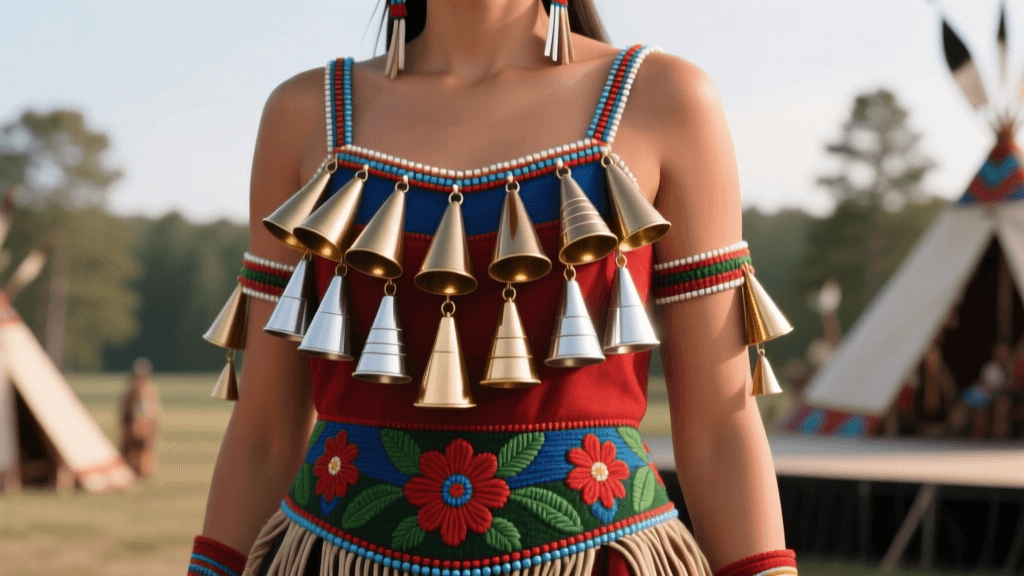
Traditional Navajo clothing is a masterful blend of pre-contact indigenous materials and post-contact trade goods, synthesized into a uniquely Diné aesthetic. The garments are heavily adorned with silver and turquoise jewelry, which serves as both a spiritual protective layer and a display of familial wealth and artistry.
Women's Ceremonial and Everyday Dress
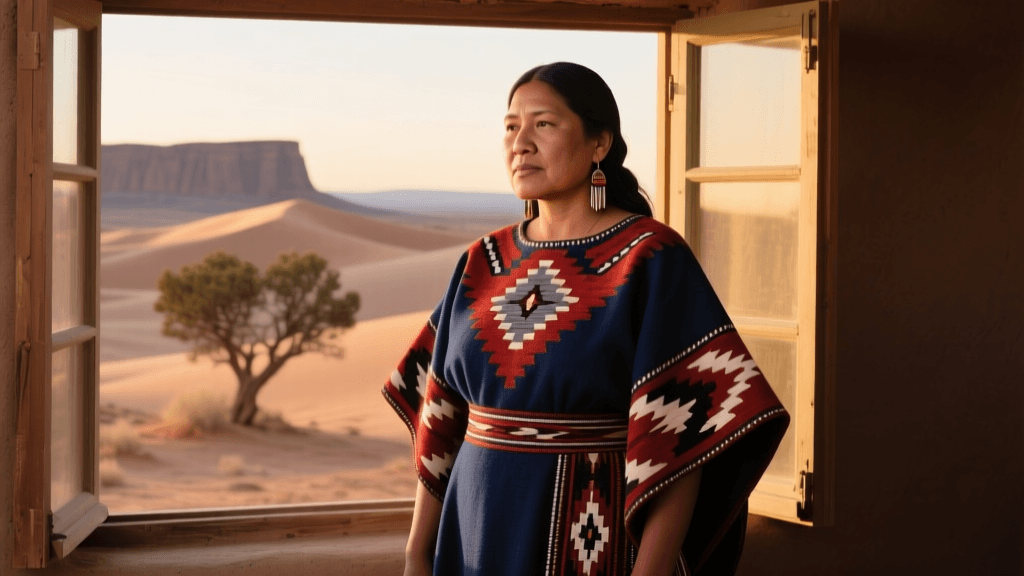
The foundation of traditional women's attire is the biil, a two-piece woven dress historically made from hand-spun wool and tied at the shoulders with woven sashes. While the biil is still woven and worn for highly significant ceremonies, the more common contemporary traditional outfit seen in 2026 consists of a long, flowing pleated skirt (often made of cotton or satin) paired with a long-sleeved velvet blouse. The velvet shirt, introduced through trade in the late 19th century, has been fully indigenized and is now a staple of Navajo formal wear. This ensemble is universally accessorized with a heavy, multi-strand turquoise and silver squash blossom necklace, a concho belt, and a woven rug dress or shawl draped over the shoulders for warmth and ceremonial grounding.
Men's Traditional Regalia
Men's traditional dress similarly incorporates the iconic velvet shirt, often featuring silver buttons and intricate embroidery. This is typically paired with dark trousers, a woven sash or concho belt, and a prominent bolo tie featuring a large turquoise and silver slide. Moccasins, crafted from brain-tanned deer hide and adorned with beadwork or silver conchos, complete the attire. In 2026, many Diné men also incorporate hand-woven wool neckties or sashes that reflect their specific regional weaving heritage.
Regional Weaving Styles: The Heart of Diné Textiles
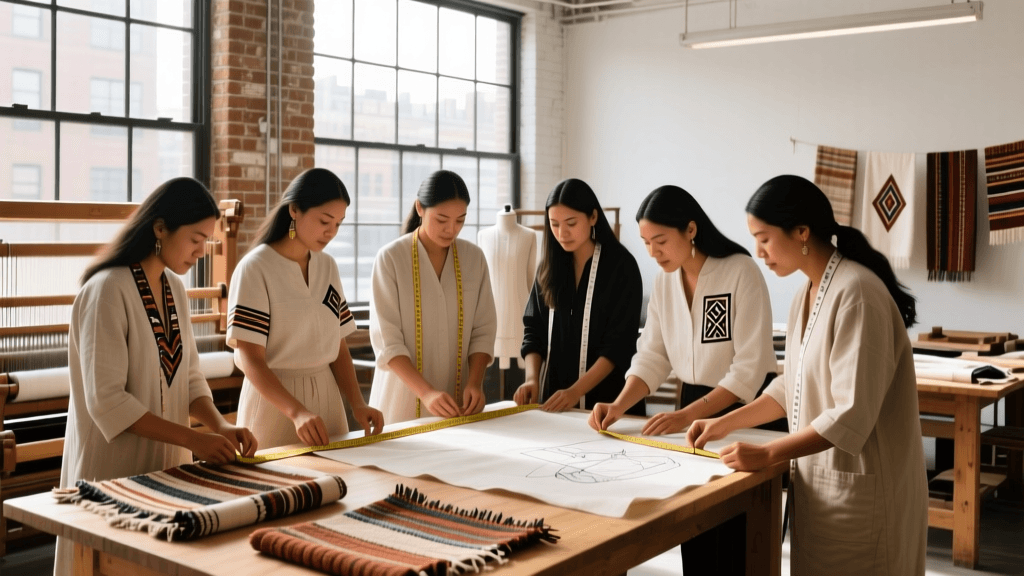
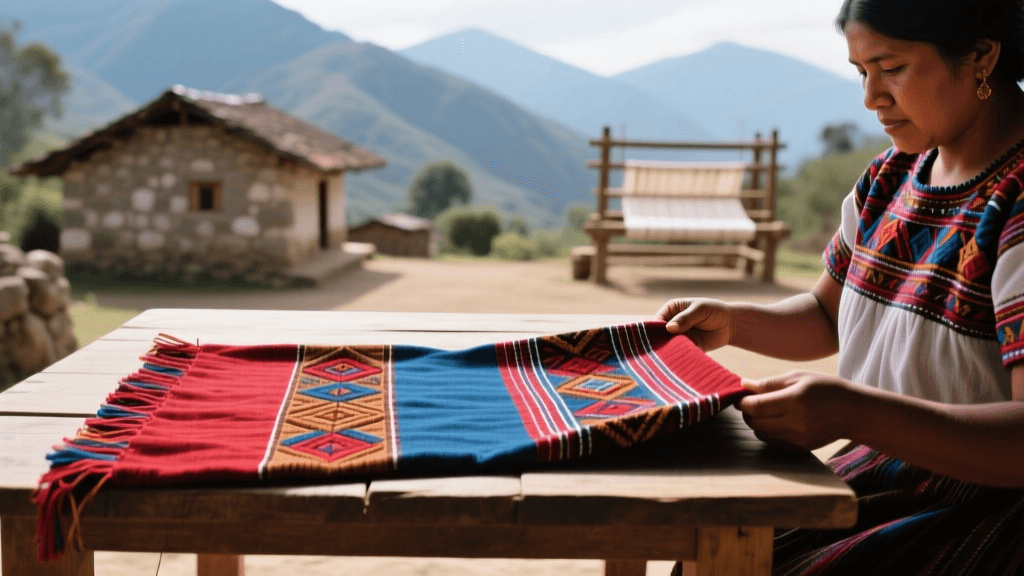
Navajo weaving is highly regionalized, with distinct styles emerging from specific trading posts and geographic areas across the reservation. Understanding these regional variations is crucial for collectors, fashion enthusiasts, and anyone looking to purchase an authentic piece of Diné art in 2026.
Two Grey Hills
Originating from the Two Grey Hills trading post area in New Mexico, this style is renowned for its exceptional technical precision and use of natural, undyed sheep wool. Weavers in this region produce textiles in shades of brown, black, white, and grey, featuring intricate, tightly packed geometric borders and central motifs. The thread count is exceptionally high, resulting in a fabric that is almost tapestry-like in its density and drape.
Ganado
Influenced historically by the Hubbell Trading Post, the Ganado style is instantly recognizable by its dominant use of deep, rich reds (often referred to as 'Ganado Red'), contrasted with black, white, and grey. The motifs typically feature bold, large-scale diamonds, crosses, and terraced patterns. Ganado rugs and garment panels are highly sought after for their striking visual impact and deep cultural resonance.
Teec Nos Pos
The Teec Nos Pos region, located near the Four Corners, produces the most vibrant and complex of all Navajo weavings. Often compared to Persian rugs in their intricacy, these textiles utilize a wide palette of bright aniline dyes. The designs are characterized by 'circles within circles,' zig-zags, and elaborate, asymmetrical geometric patterns that push the boundaries of traditional Navajo design.
Burntwater
A more recent development in the evolution of Navajo weaving, the Burntwater style combines the intricate geometric borders of Two Grey Hills with the vibrant, albeit pastel, color palettes introduced by synthetic dyes. Burntwater weavings are highly prized in the 2026 market for their soft, luminous hues and complex, balanced compositions.
2026 Regional Weaving Comparison Chart
| Region | Dominant Colors | Key Motifs | 2026 Avg. Price (per sq. ft.) |
|---|---|---|---|
| Two Grey Hills | Natural browns, blacks, whites, greys | Tight geometric borders, terraced diamonds | $800 - $1,500+ |
| Ganado | Deep red, black, white, grey | Large diamonds, crosses, bold terraces | $500 - $900 |
| Teec Nos Pos | Vibrant multi-colors, bright anilines | Intricate zig-zags, complex asymmetrical geometry | $600 - $1,200 |
| Burntwater | Soft pastels, earth tones | Elaborate borders, balanced central medallions | $400 - $800 |
Sourcing Authentic Garments and Textiles in 2026
As the global appreciation for Indigenous fashion and textile arts grows, so does the proliferation of mass-produced, imported knock-offs. Protecting your investment and respecting the cultural intellectual property of the Diné people requires diligent sourcing. According to the Indian Arts and Crafts Board, it is illegal to market art or craftwork as 'Indian-made' if it is not created by a member of a federally or state-recognized tribe. When shopping for Diné garments, velvet regalia, or woven textiles in 2026, always adhere to the following guidelines:
- Buy Direct from Artisans: Many master weavers and silversmiths now operate their own e-commerce platforms and verified social media storefronts. Purchasing directly ensures the artist receives full compensation for their labor.
- Verify Trading Posts and Co-ops: Reputable, established trading posts on the Navajo Nation, such as the Toadlena Trading Post or the Two Grey Hills Trading Post, maintain strict vetting processes and provide certificates of authenticity detailing the weaver's name, region, and materials used.
- Request Documentation: A genuine hand-woven Navajo textile will often have a distinct warp and weft structure, continuous warp threads, and sometimes a 'spirit line' (a small intentional flaw or pathway woven to let the weaver's spirit out of the pattern). Always ask for a written guarantee of authenticity.
True Navajo weaving is not just the interlacing of wool; it is the weaving of prayers, history, and the landscape of the Dinétah into a physical form that can be worn and cherished across generations.
The Navajo-Churro Sheep and Sustainable Wool
You cannot discuss Diné textiles without acknowledging the Navajo-Churro sheep. Brought to the Americas by Spanish explorers in the 16th century, the Churro sheep became the absolute center of the Navajo economy and spiritual life. Its long, lustrous fleece is uniquely suited for hand-spinning and weaving, requiring minimal preparation and taking natural dyes brilliantly. As highlighted by the Smithsonian National Museum of the American Indian, the near-extinction of the Churro sheep in the 20th century due to government-led stock reduction programs was a devastating blow to Diné culture. Today, in 2026, Indigenous-led sheep cooperatives and DNA preservation initiatives have successfully revitalized the breed. When you purchase a garment or rug woven from hand-spun Navajo-Churro wool, you are directly supporting sustainable, Indigenous-led agriculture and the preservation of a critically important heritage breed. The revival of natural dyeing practices—using local rabbitbrush for yellows, cochineal for reds, and wild walnut hulls for deep browns—further ensures that these textiles are environmentally sustainable and deeply connected to the land.
Preserving the Thread of the Future
The landscape of Indigenous North American dress is not static; it is a dynamic, evolving tapestry. In 2026, a new generation of Diné fashion designers and master weavers are finding innovative ways to incorporate traditional regional patterns into modern silhouettes, haute couture, and everyday streetwear, all while strictly adhering to the cultural protocols of their ancestors. Whether you are a collector seeking a museum-quality Two Grey Hills weaving, a supporter of Indigenous fashion looking for an authentic velvet and turquoise ensemble, or simply a student of global textile traditions, understanding the regional nuances and ethical sourcing practices of Diné dress is essential. By prioritizing authenticity, supporting direct-to-artisan economies, and honoring the deep spiritual significance of every woven thread, we help ensure that the magnificent textile traditions of the Navajo people continue to thrive for centuries to come.