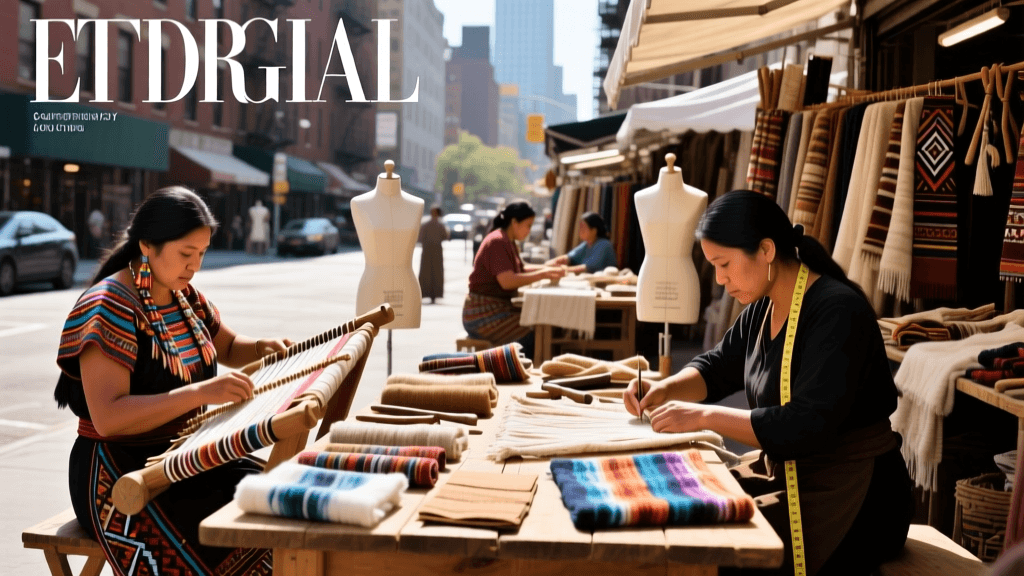
Sourcing Indigenous Textiles: NYC & LA Garment District Guide 2026
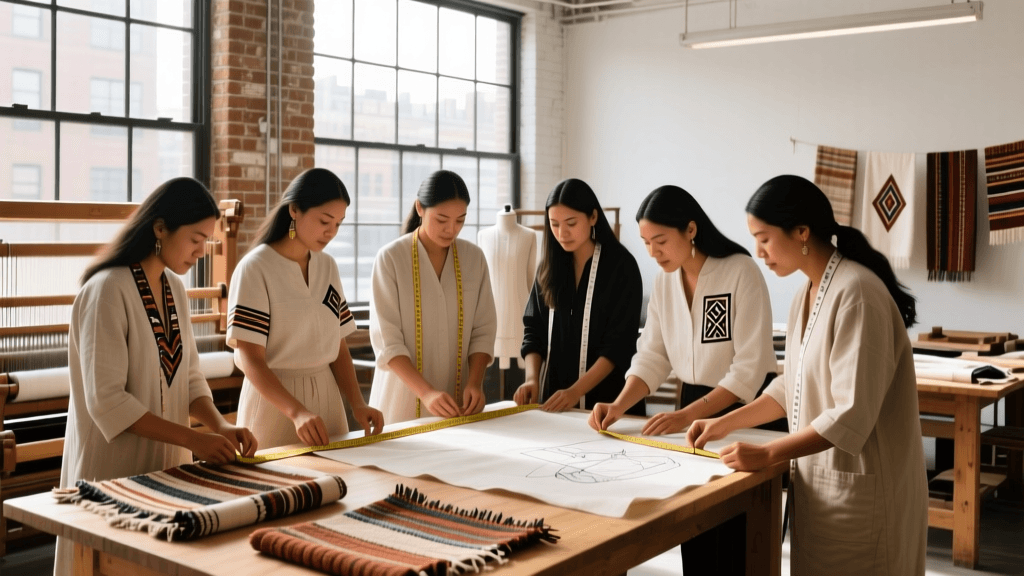
The 2026 Landscape of American Fashion Hubs
As we navigate the 2026 fashion landscape, the intersection of traditional Indigenous garment creation and modern American manufacturing hubs has never been more vital. For Indigenous designers, traditional artisans, and creators of Native American regalia, the New York City and Los Angeles garment districts offer unparalleled access to specialized textiles, trims, and small-batch manufacturing. However, the post-pandemic supply chain shifts and the massive 2026 nearshoring boom have fundamentally changed how these districts operate. According to the Save the Garment Center initiative, NYC's manufacturing footprint has pivoted heavily toward high-end, specialized sampling and bespoke trims, while Los Angeles has cemented its status as the premier hub for sustainable, small-batch cut-and-sew operations.
For creators of traditional garments—ranging from Powwow regalia and Métis sashes to contemporary Indigenous streetwear—understanding the distinct advantages of each district is crucial. This comprehensive 2026 guide provides actionable intelligence on sourcing ethical fabrics, traditional appliqué supplies, and navigating cultural intellectual property (IP) protections when working with American fashion hubs.
New York City Garment District: Trims, Tailoring, and Ribbonwork
The NYC Garment District, roughly bounded by 34th and 42nd Streets between Fifth and Ninth Avenues, remains the beating heart of high-end fashion sourcing. In 2026, the district is highly specialized. While massive roll-goods warehouses have largely moved offshore or to the outer boroughs, Midtown Manhattan is the undisputed king of trims, bespoke tailoring supplies, and specialized ribbons essential for Indigenous appliqué and ribbonwork.
Sourcing Broadcloth and Ribbon for Traditional Appliqué
Traditional ribbon shirts and skirts require specific weights of broadcloth and high-quality, colorfast satin ribbons. In 2026, designers frequent the 38th and 39th Street corridors to source these materials. Stores like Mood Fabrics (for retail and small-batch deadstock) and specialized wholesale trim shops on 38th Street offer the precise color-matching required for complex geometric ribbonwork patterns.
- Best Time to Visit: Tuesday through Thursday, 9:00 AM to 11:30 AM. Avoid Mondays when wholesalers are processing weekend orders, and Fridays when the district empties out.
- Minimum Order Quantities (MOQs): For wholesale trim shops in 2026, expect MOQs of 50 to 100 yards per color for standard satin ribbons. However, many shops offer 'sample cuts' of 10 yards at a 20% premium, which is ideal for independent Indigenous artisans.
- Negotiation Tip: Always ask for 'end-of-roll' or 'deadstock' pricing. Many NYC trim shops are actively trying to clear legacy inventory in 2026 to make room for smart-textiles and sustainable bio-resins.
Los Angeles Fashion District: Sustainable Fibers and Small-Batch Manufacturing
Spanning over 100 blocks in Downtown LA, the Los Angeles Fashion District is the epicenter of the Americas' apparel manufacturing. According to the California Fashion Association, LA's dominance in 2026 lies in its rapid-turnaround, ethical cut-and-sew facilities and its massive inventory of sustainable, natural fibers. For Indigenous designers focusing on everyday traditional-inspired wear, eco-friendly textiles, and scalable small-batch production, LA is the ultimate destination.
Natural Dyes, Organic Cottons, and Ethical Wools
The Maple Avenue and 9th Street corridors are densely packed with fabric importers specializing in organic and natural fibers. In 2026, the demand for undyed, GOTS-certified organic cotton and ethically sourced, unspun wools has skyrocketed. These materials are essential for designers who utilize traditional natural dyeing techniques, such as those using cochineal, indigo, or local botanical dyes native to the Americas.
- Sourcing Strategy: Head to the 'Jobber' buildings on 9th Street. Jobbers buy overstock from major mills and sell at a discount. You can often find premium organic cotton twills and heavy canvas (ideal for traditional jackets and bags) for 30-40% below wholesale prices.
- Manufacturer Matching: LA is home to hundreds of small-batch sewing contractors. When seeking a manufacturer for an Indigenous-owned brand, look for facilities that explicitly advertise 'cultural IP respect' and 'artisan-collaboration' models, a growing trend in 2026.
2026 Sourcing Comparison: NYC vs. LA Garment Districts
Choosing between the East and West coast hubs depends entirely on your production phase and material needs. The table below outlines the critical differences for Indigenous and traditional garment makers operating in 2026.
| Feature | NYC Garment District (Midtown) | LA Fashion District (Downtown) |
|---|---|---|
| Primary Strength | High-end trims, ribbons, bespoke tailoring supplies, pattern-making. | Sustainable natural fibers, denim, small-batch cut-and-sew manufacturing. |
| Average Fabric MOQ (2026) | 50-100 yards (Wholesale); 5 yards (Retail/Premium). | 1 Roll (approx. 50-70 yards); extensive deadstock options. |
| Sampling Cost (Apparel) | $250 - $500 per style (Highly specialized tailoring). | $150 - $300 per style (Standard cut-and-sew). |
| Lead Time for Production | 4-8 weeks (Due to specialized artisan labor). | 2-4 weeks (Due to streamlined, localized supply chains). |
| Best For | Powwow regalia trims, ribbonwork supplies, Métis sash materials, luxury Indigenous fashion. | Traditional-inspired streetwear, natural-dye base garments, scalable ethical manufacturing. |
Sourcing Specific Traditional Garment Materials
Ethically Sourced Leather and Hide Alternatives
For traditional moccasins, bags, and ceremonial garments, sourcing ethical leather is a top priority. While the garment districts are primarily textile-focused, both NYC and LA have specialized leather districts on their peripheries. In NYC, the Leather District around the Bowery and Lafayette Street offers premium, vegetable-tanned hides. In 2026, look for suppliers offering 'traceable hides' with blockchain-verified origins, ensuring the leather is a byproduct of the food industry and not sourced from endangered or culturally sensitive species. For vegan alternatives, both districts now stock advanced mycelium (mushroom) leathers and cactus leathers, which are increasingly popular among contemporary Indigenous designers seeking eco-friendly regalia components.
Beading Supplies and Specialty Threads
Traditional beadwork requires specific, high-durability threads (like Nymo or Silamide) and uniform glass seed beads. While specialized bead shops have largely moved online, the NYC Garment District still harbors a few legacy button and bead stores on 38th Street. In 2026, these shops are invaluable for sourcing vintage glass beads and heavy-duty waxed threads that are difficult to find in standard craft stores. Always bring a physical sample of your beadwork to match the exact thread weight and bead hole size required for your specific loom or appliqué technique.
Navigating Cultural IP and Ethical Manufacturing in 2026
One of the most critical aspects of sourcing in American fashion hubs is protecting your Cultural Intellectual Property (IP). In 2026, the fashion industry has seen a massive reckoning regarding the appropriation of Indigenous motifs. When working with pattern-makers and manufacturers in NYC or LA, it is vital to establish clear legal boundaries.
Before handing over any tech packs featuring traditional motifs, clan symbols, or sacred geometry, ensure your manufacturing partner signs a robust Non-Disclosure Agreement (NDA) and an IP assignment contract. Many Indigenous fashion collectives now utilize standardized 'Cultural IP Protection Addendums' in their manufacturing contracts, explicitly forbidding the factory from reproducing, selling, or sharing the patterns with other brands. Always verify that your manufacturer understands the cultural significance of the garments they are producing, fostering a relationship based on mutual respect rather than mere transactional production.
Understanding 2026 Textile Compliance and Labeling
When sourcing materials and producing garments in the United States, compliance with federal regulations is non-negotiable. The Federal Trade Commission Textile Labeling Guidelines mandate that all apparel sold in the US must accurately disclose the fiber content, country of origin, and manufacturer identity. In 2026, the FTC has increased scrutiny on 'greenwashing' and false claims regarding 'organic' or 'sustainable' fibers. When buying natural fibers in LA or specialty wools in NYC, always request the mill's certification documentation (such as GOTS or Oeko-Tex certificates) to ensure your final garment labels are legally compliant and culturally authentic.
Practical Sourcing Itinerary for the Visiting Artisan
To maximize your time and budget, structure your sourcing trip strategically. Here is a recommended 2-day itinerary for a designer visiting the LA Fashion District in 2026:
- Day 1, Morning (8:30 AM - 12:00 PM): Start at the Maple Avenue jobbers. Focus on securing base fabrics (organic cottons, linens, and denims). Collect physical swatches and note the roll numbers and yardage available.
- Day 1, Afternoon (1:00 PM - 4:00 PM): Visit the California Market Center (CMC) showrooms for trend forecasting and to connect with sustainable trim suppliers. Schedule meetings with two potential cut-and-sew contractors.
- Day 2, Morning (9:00 AM - 12:00 PM): Tour the shortlisted manufacturing facilities. Inspect their sewing equipment, discuss MOQs, and review their IP protection policies. Bring your tech packs and physical samples for accurate quoting.
- Day 2, Afternoon (1:00 PM - 3:00 PM): Finalize fabric orders and place deposits with your chosen manufacturer. Ensure all compliance labels and hangtags are ordered from a local LA printer to keep the entire supply chain localized.
By understanding the unique strengths of both the NYC and LA garment districts, Indigenous designers and traditional artisans can effectively bridge the gap between ancestral garment-making techniques and modern, ethical American manufacturing. The 2026 landscape offers unprecedented opportunities for cultural expression, provided you navigate these hubs with preparation, respect, and strategic precision.