NYC LA Garment Districts 2026: Indigenous Textile Sourcing
The Evolution of American Fashion Hubs in 2026
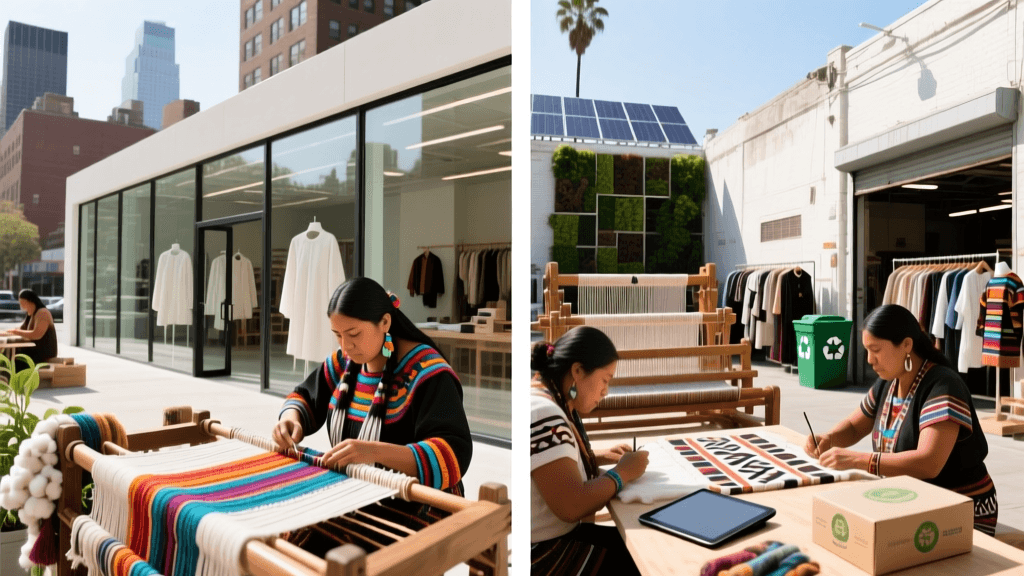
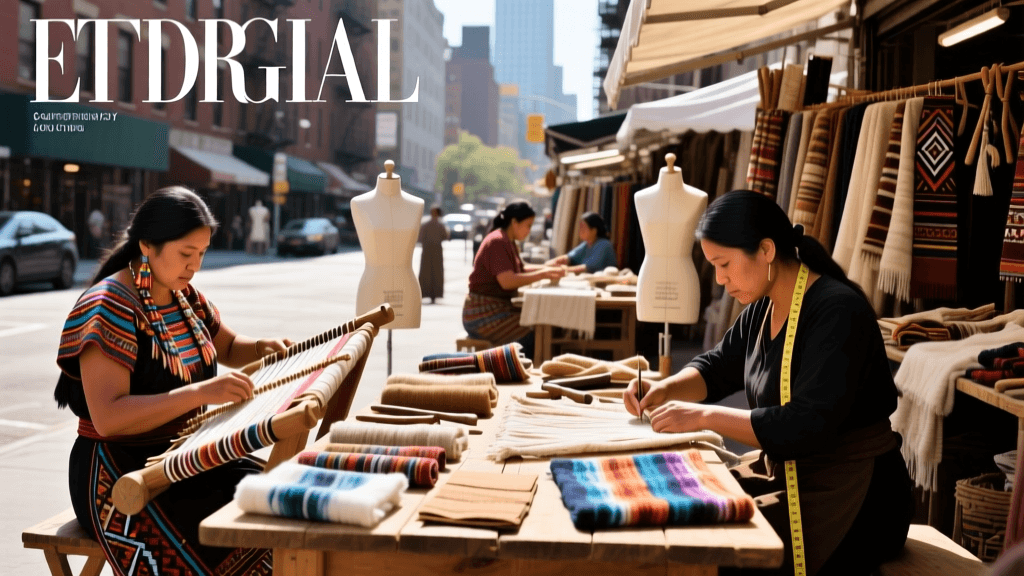
The landscape of American fashion manufacturing and textile sourcing has undergone a radical transformation by 2026. For designers specializing in traditional garments, Native American regalia, and Latin American cultural apparel, the supply chain is no longer just about cost-efficiency; it is deeply rooted in ethical sourcing, cultural preservation, and sustainable practices. The major garment districts in New York City and Los Angeles remain the beating heart of the Americas' fashion industry, but their roles have evolved. Today, these hubs serve as critical gateways for indigenous designers and traditional garment makers seeking authentic materials, from Navajo-inspired wool weaves to Oaxacan cotton and Andean alpaca imports.
As nearshoring and sustainable supply chains dominate the 2026 fashion economy, understanding how to navigate these urban textile centers is essential. Whether you are sourcing heavy wool melton for Native American ribbon shirts, vibrant silks for Latin American folklorico dresses, or eco-friendly dyes for indigenous streetwear, this comprehensive guide will help you navigate the premier American fashion hubs.
Navigating the NYC Garment District for Traditional Textiles
The New York City Garment District, historically bounded by 34th and 42nd Streets from east to west, and 5th and 9th Avenues from north to south, remains a global epicenter for high-end textile sourcing. In 2026, while some commercial showrooms have expanded into New Jersey due to Manhattan real estate pressures, the core of the district remains fiercely dedicated to specialized fabrics. Organizations like the Save the Garment Center initiative have successfully lobbied to protect manufacturing zoning, ensuring that small-batch traditional garment makers still have access to local cutting rooms and specialized trim suppliers.
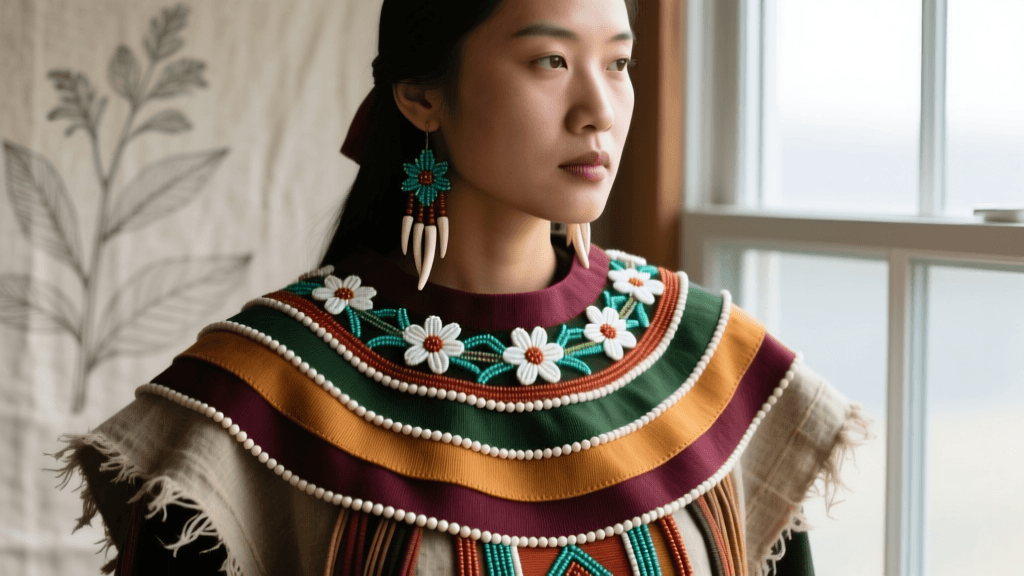
For designers of traditional Native American and Latin American garments, NYC offers unparalleled access to luxury natural fibers. Stores like Mood Fabrics and B&J Fabrics continue to be essential stops. In 2026, B&J Fabrics has expanded its heritage wool section, offering premium melton and broadcloth essential for constructing traditional Native American regalia, such as ribbon shirts and woolen shawls. The pricing for premium heritage wools in the district currently averages between $35 and $60 per yard, reflecting the global push toward ethically raised, non-mulesed sheep flocks.
Furthermore, the trim stores clustered around 38th Street and 8th Avenue are invaluable for sourcing the specific ribbons, metallic threads, and heavy-duty zippers required for traditional Latin American quinceañera gowns and folklorico dance costumes. When sourcing in NYC, it is crucial to build relationships with the showroom managers. Many traditional textiles, particularly hand-loomed imports from South American cooperatives, are kept in backrooms and are only shown to designers who demonstrate a commitment to ethical, small-batch production.
The LA Fashion District: A Gateway to Latin American & Native Craft
While New York excels in luxury wools and high-end silks, the Los Angeles Fashion District is the undisputed king of streetwear, denim, and Latin American textile imports. Spanning over 100 blocks, the district's epicenter for traditional and indigenous sourcing lies around the intersection of 9th Street and Maple Avenue, as well as the California Market Center. According to the LA Fashion District official directory, the area has seen a 22% increase in specialized importers focusing on Latin American and indigenous artisan cooperatives since 2024.
For designers incorporating traditional Mexican, Guatemalan, and Andean textiles into their collections, the 9th Street corridor is a treasure trove. Here, importers bring in authentic Oaxacan cotton, Chiapas embroidery, and Peruvian alpaca blends. In 2026, the demand for traceable, fair-trade alpaca has surged, and LA importers now frequently provide blockchain-verified certificates of authenticity with their bulk rolls, ensuring the fibers genuinely support indigenous Andean communities rather than mass-market synthetic knock-offs.
Additionally, LA is the premier hub for modern Indigenous streetwear brands. The district's vast network of denim mills and cut-and-sew factories specializing in heavy canvas and selvedge denim allows Native American designers to merge traditional motifs with contemporary urban silhouettes. The Olympic Boulevard corridor is particularly useful for sourcing sustainable, waterless-dyed denim, a critical innovation in 2026 that allows designers to honor the earth-conscious principles inherent in many Indigenous cultures while producing modern, durable apparel.
Emerging Hubs: Santa Fe, Portland, and the Southwest Corridor
Beyond the coastal metropolises, 2026 has solidified the importance of regional micro-hubs that cater specifically to traditional and indigenous garment makers. Santa Fe, New Mexico, has emerged as a vital sourcing destination for authentic Southwestern textiles. The local mills and trading posts in Santa Fe and nearby Taos offer direct access to Navajo-Churro wool and authentic Pueblo-woven textiles. While the volume is significantly lower than NYC or LA, the cultural authenticity and direct-to-artisan purchasing model make it an indispensable hub for high-end, culturally significant garments.
Similarly, Portland, Oregon, has become a hub for Pacific Northwest Indigenous designers. The city's robust eco-textile market and specialized outdoor-gear manufacturing infrastructure provide unique resources for creating modern interpretations of traditional cedar-bark and woolen coastal garments, utilizing sustainable, water-resistant modern finishes.
2026 Fashion Hub Comparison Chart
| Fashion Hub | Primary Specialties | Average MOQ (2026) | Best For |
|---|---|---|---|
| NYC Garment District | Heritage wools, luxury silks, high-end trims | 50-100 yards | Folklorico dresses, Ribbon shirts, Luxury regalia |
| LA Fashion District | Latin imports, denim, alpaca, streetwear | 100-300 yards | Indigenous streetwear, Oaxacan cotton apparel |
| Santa Fe / Taos | Navajo-Churro wool, hand-woven Southwest textiles | 10-30 yards | Authentic ceremonial garments, high-end artisan outerwear |
Ethical Sourcing and the Indian Arts and Crafts Act
As the market for indigenous-inspired fashion grows in 2026, legal and ethical compliance is more critical than ever. Designers sourcing materials and selling finished garments must be intimately familiar with the Indian Arts and Crafts Act. The Indian Arts and Crafts Board, operated by the U.S. Department of the Interior, strictly enforces regulations that prohibit misrepresenting goods as Native American-made if they are not. This applies not only to the final garment but also to the marketing of specific traditional textiles.
When sourcing from the NYC or LA districts, buyers must rigorously vet importers who claim to sell 'authentic Native American' or 'indigenous artisan' fabrics. In 2026, federal crackdowns on greenwashing and cultural appropriation have led to severe penalties for brands that falsely market imported, factory-made textiles as indigenous craftsmanship. Always request documentation of origin, and when possible, establish direct trade relationships with indigenous cooperatives, using the garment districts merely as logistical transit points rather than primary sources of cultural artifacts.
2026 Actionable Sourcing Checklist for Traditional Garment Makers
To maximize your sourcing trips to the American fashion hubs this year, follow this actionable checklist:
- Pre-Register for Trade Access: Many premium showrooms in NYC and LA now require a verified business license and a tax ID to view 2026 wholesale pricing. Register online before your trip.
- Request 'Deadstock' and Heritage Swatches: Ask specifically for deadstock natural fibers. In 2026, many mills are liquidating high-quality vintage wools and silks that are perfect for traditional regalia but no longer in mass production.
- Verify Dye Fastness for Ceremonial Use: Traditional garments are often worn in demanding environments (e.g., Powwow dancing, outdoor festivals). Always request AATCC wash and light-fastness test reports from LA and NYC dye houses to ensure vibrant traditional colors will not bleed during use.
- Negotiate Small-Batch Cut Fees: If you are producing a limited run of cultural garments, negotiate 'cut fees' rather than buying full rolls. Many NYC trim shops will cut exact yardages for a 15% surcharge, saving you storage costs.
- Map the Importers: In LA, focus your mornings on 9th Street for Latin American imports before the bulk wholesale crowds arrive, allowing for more personalized consultations with import agents.
Conclusion
The NYC and LA garment districts remain indispensable resources for designers of traditional, indigenous, and cultural garments in 2026. By understanding the unique strengths of each hub—from the luxury wools and silks of Manhattan to the vibrant Latin American imports and sustainable denim of Los Angeles—designers can source materials that honor cultural heritage while meeting modern standards of sustainability and ethical production. Coupled with the rise of specialized regional hubs like Santa Fe, the Americas offer a rich, diverse, and deeply connected textile ecosystem for those dedicated to preserving and evolving traditional garment arts.